80+ Quick and Easy Valentine Desserts and Treats You’ll Love:
brings together simple, joyous sweets that busy home cooks, students, working professionals, and diet-conscious readers can make in minutes. Whether you celebrate with a partner, a group of friends, or simply want a self-care treat, this collection of quick desserts and easy Valentine treats delivers approachable recipes that fit vegan, gluten-free, and low-calorie lifestyles. Moreover, these ideas appeal to travel lovers, newlyweds planning cozy nights in, parents juggling schedules, and seniors who appreciate gentle, straightforward methods.
This curated guide emphasizes accessibility: most recipes use common pantry staples and require minimal tools. In addition, the compilation showcases healthier versions, such as dairy-free chocolate truffles, oat-based heart cookies, and Greek yogurt parfaits sweetened with honey or stevia. Also, busy cooks and baking enthusiasts will find time-saving hacks like no-bake preparations, microwave mug cakes, and freezer-friendly bites. For readers who need clear substitutions, the guide flags vegan, gluten-free, and low-sugar options so everyone can enjoy a Valentine dessert easily. Finally, the emphasis on short prep times, wholesome ingredients, and flexible servings ensures these adapt to gatherings large and small. Try one tonight, and you’ll see why simple sweets can create lasting memories.
Benefits and Advantages
stands out because it balances speed, flavor, and dietary flexibility. First, quick desserts save time and reduce stress. For example, no-bake cheesecakes, microwave mug cakes, and chocolate-dipped fruit come together in under 20 minutes, making them ideal for busy parents, students, and working professionals. Next, these treats highlight health-conscious choices: many recipes use whole grains, natural sweeteners, and plant-based fats, so diet-conscious individuals can indulge without guilt. Moreover, the collection includes gluten-free and vegan variants, so friends with dietary restrictions can still share festive sweets.
In addition to health benefits, the treats encourage creativity and personalization. For instance, heart-shaped molds make cookies and bars instantly festive, while toppings like freeze-dried raspberries, toasted nuts, and edible flowers add gourmet flair. Also, these recipes often require minimal equipmentno stand mixer or special pansso travelers, college students, and newlyweds with limited kitchen setups can still cook confidently. Seniors will appreciate straightforward steps and softer textures, such as mousse and pudding, which cut easily and require less chewing.
Another advantage: many items store well. Freezer-friendly brownie bites and make-ahead parfaits help you plan celebrations in advance. Furthermore, the guide covers budget-friendly ingredients and swaps, keeping costs low without sacrificing taste. Lastly, the compilation encourages mindful portioning by offering single-serve options, which helps those watching calories or managing blood sugar. Overall, gives every reader practical, healthy, and delightful ways to celebrate with sweets.
Ingredients Overview
Essential Ingredients
Below is a consolidated list of essential ingredients you’ll commonly use across many of the . Quantities use U.S. standard measurements and reflect typical single-recipe needs or small batches.
- All-purpose flour 2 cups (for cookies and bars). Purpose: structure and texture; substitute with GF flour if needed.
- Almond flour 1 cup (for gluten-free cookies and truffles). Purpose: adds moistness and a tender crumb.
- Rolled oats 1 1/2 cups (for oat bars and energy bites). Purpose: fiber and chew; use certified gluten-free oats for GF.
- Granulated sugar 3/4 cup (for cookies, cakes). Purpose: sweetness and browning; can replace with coconut sugar 1:1 for a deeper flavor.
- Brown sugar 1/2 cup packed (for richer cookies and bars). Purpose: moisture and caramel notes.
- Powdered sugar 1 cup (for frostings and dusting). Purpose: smooth sweetness.
- Honey or maple syrup 1/3 to 1/2 cup (for no-bake cheesecakes and granola). Purpose: natural sweetener; use agave syrup for vegan option.
- Unsalted butter 1/2 cup (1 stick). Purpose: flavor and richness; swap with coconut oil for dairy-free.
- Vegetable oil or melted coconut oil 1/3 cup (for moist cakes and brownies). Purpose: tenderness; oils keep shelf life longer.
- Cream cheese 8 oz (for no-bake cheesecakes and frostings). Purpose: tang and creaminess; use vegan cream cheese for dairy-free.
- Heavy cream 1 cup (for ganache and whipped toppings). Purpose: richness and whipped structure; use canned coconut milk (full fat) as dairy-free choice.
- Greek yogurt (plain) 1 cup (for parfaits and light frostings). Purpose: protein and tang; use non-dairy yogurt for vegan options.
- Cocoa powder, unsweetened 1/2 cup (for brownies and truffles). Purpose: chocolate flavor and color.
- Dark chocolate (70%+) 8 oz (for melting and dipping). Purpose: coating and deep chocolate notes; choose vegan chocolate for fully plant-based treats.
- Strawberries 1 lb (for dipping and tarts). Purpose: fresh fruit pairing with chocolate.
- Raspberries, fresh or frozen 2 cups (for compotes and cheesecakes). Purpose: bright acidity and color.
- Eggs 2 large (for baking structure). Purpose: binding and lift; use flax eggs as vegan swap (1 tbsp ground flax + 3 tbsp water per egg).
- Vanilla extract 1 tbsp. Purpose: aromatic depth.
- Baking powder 1 tsp. Purpose: leavening.
- Baking soda 1/2 tsp. Purpose: leavening and browning.
- Salt 1/2 tsp. Purpose: flavor enhancement.
- Nuts (almonds, pistachios) 1/2 to 1 cup chopped. Purpose: texture and garnish; omit for nut-free diets.
- Stevia or erythritol as preferred. Purpose: low-calorie sweetener alternative for low-sugar versions.
These staples let you build dozens of quick treats. Also, grab heart-shaped cookie cutters, silicone molds, and parchment paper for efficient results.
Dietary Substitutions to Customize
The beauty of lies in easy swaps so everyone can participate. Below are reliable substitutions and tips to cater to common dietary needs:
- Vegan swaps: Replace butter with coconut oil or vegan margarine, use plant-based milk (almond, oat) for dairy, and substitute eggs with flax eggs (1 tbsp ground flaxseed mixed with 3 tbsp water, set 5 minutes). Use vegan dark chocolate for coatings and filling.
- Gluten-free options: Use a 1:1 gluten-free all-purpose flour blend instead of wheat flour. Swap rolled oats for certified gluten-free oats. For almond-flour-based bars, reduce added sweetener slightly because almond flour tastes richer.
- Low-sugar choices: Replace part or all of the sugar with erythritol, monk fruit, or stevia blends that measure 1:1. Also, use unsweetened cocoa powder and reduce sweetened chocolate, pairing with a drizzle of low-calorie fruit compote for brightness.
- Low-fat/lower-calorie ideas: Use Greek yogurt in place of some butter or cream cheese to keep texture while cutting fat. Choose fruit-focused desserts like baked apples or yogurt parfaits and reduce added sugar.
- Nut-free swaps: Replace almond or chopped nuts with toasted seeds (pumpkin or sunflower) or crisped quinoa for crunch.
- Allergy-friendly: For egg or dairy allergies, rely on flax eggs and plant-based creams; thicken puddings with cornstarch or agar-agar instead of gelatin for vegetarian and kosher diets.
These substitutions keep the recipes accessible while preserving flavor and texture. Also, each step below highlights how to adapt methods for different diets so you can confidently create Valentine treats for every guest.
How to Prepare the Perfect : Step-by-Step Guide
First Step: Choose the right recipe from the list based on your time, equipment, and dietary needs. For a last-minute single-serving option, pick a mug cake; for a shared dessert, choose no-bake cheesecake jars or dipped strawberries. Also, consider whether you want vegan, gluten-free, or low-sugarthis will guide your ingredient choices immediately.
Second Step: Gather ingredients and tools. Lay out measured ingredients in U.S. standard measurements on the counter. For example, measure 1/2 cup melted chocolate, 1 cup crushed graham crackers (or GF crumbs), and 4 oz cream cheese. Use small bowls for toppings like 1/4 cup chopped nuts, 2 tbsp powdered sugar, and 1/4 cup freeze-dried raspberries. Additionally, have parchment paper, silicone molds, a whisk, and a microwave-safe bowl or small saucepan ready.
Third Step: Prepare common bases that serve many desserts. Make a simple crumb crust: combine 1 1/2 cups crushed cookies or graham crackers with 1/3 cup melted butter (or coconut oil), press into molds, and chill. For a no-bake cheesecake filling, beat together 8 oz cream cheese, 1/3 cup powdered sugar, 1 tsp vanilla, and 1/2 cup whipped cream or canned coconut cream until smooth. For vegan versions, use 8 oz vegan cream cheese and 1/3 cup agave syrup.
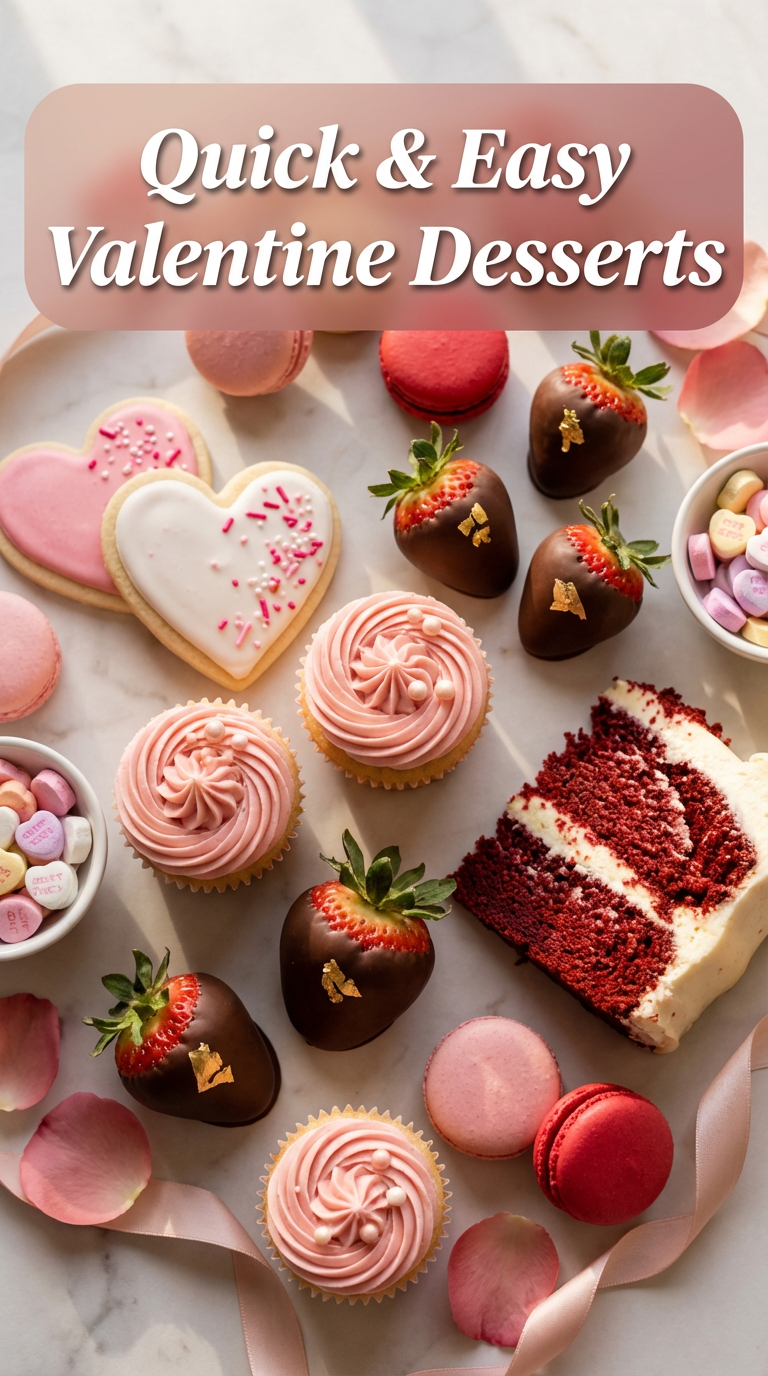
Fourth Step: Assemble a quick fruit and chocolate treat. Melt 8 oz dark chocolate in 30-second increments in the microwave, stirring between each burst until smooth. Dip 1 lb strawberries by holding the stem and swirling the berry in chocolate, then place on parchment. Sprinkle 1/4 cup crushed pistachios or freeze-dried raspberry dust immediately. If dairy-free, use vegan chocolate; if nut-free, top with crushed pretzels or toasted coconut.
Fifth Step: Make a single-serve mug cake when minutes count. Combine in a microwave-safe mug: 4 tbsp all-purpose flour (or GF blend), 2 tbsp cocoa powder, 2 tbsp sugar, 1/4 tsp baking powder, pinch of salt, 3 tbsp milk (any), 1 tbsp melted butter or oil, and 1/4 tsp vanilla. Stir until smooth, then microwave 60–90 seconds depending on wattage. For vegan mug cakes, swap milk for plant milk and use a flax egg if desired; for low-sugar, use erythritol and reduce cook time slightly.
Sixth Step: Prepare no-bake cheesecake jars for make-ahead ease. Layer 1/3 cup crumb crust, 1/2 cup cheesecake filling, and 1/4 cup raspberry compote in small jars. Chill 1–2 hours. For lighter options, fold 1/2 cup Greek yogurt into the filling. For vegan jars, use silken tofu or cashew cream blended with maple syrup.
Seventh Step: Create chocolate truffles that require minimal hands-on time. Heat 1/2 cup heavy cream (or coconut cream) and pour over 8 oz chopped dark chocolate. Stir until glossy; then chill 1–2 hours until firm. Scoop and roll into 1-inch balls, then coat in cocoa powder, chopped nuts, or shredded coconut. For vegan truffles, use coconut cream and ensure chocolate is dairy-free.
Eighth Step: Bake simple heart-shaped sugar cookies for personalization. Cream 1/2 cup unsalted butter with 1/2 cup sugar, beat in 1 egg and 1 tsp vanilla, then fold in 1 1/2 cups flour, 1/2 tsp baking powder, and a pinch of salt. Chill 30 minutes, roll to 1/4-inch thickness, cut with heart cutters, and bake at 350°F for 8–10 minutes. For gluten-free cookies, use a GF flour blend and add 1–2 tbsp xanthan gum if needed.
Ninth Step: Whip up a light mousse for an elegant option. Melt 4 oz chocolate and let cool slightly. Whip 1 cup heavy cream to soft peaks, fold in 1/4 cup powdered sugar, then gently fold melted chocolate into the cream. Spoon into cups and chill 1 hour. For dairy-free mousse, whip chilled coconut cream and add melted dark chocolate, then refrigerate until set.
Tenth Step: Make quick energy bites for a portable treat. Pulse in a food processor 1 1/2 cups oats, 1 cup pitted dates, 1/2 cup almond butter, 1/4 cup cocoa powder, and 1/4 cup honey or maple syrup until sticky. Roll into 1-inch balls and refrigerate. For nut-free bites, swap seed butter and use sunflower seeds.
Eleventh Step: Garnish and present with flair. Drizzle melted white chocolate (1/4 cup) over desserts for contrast, sprinkle edible glitter or chopped freeze-dried fruit, and add a mint sprig for freshness. For special packaging, place single-serving treats in small cellophane bags tied with ribbon.
Twelfth Step: Adapt as needed. If you need a gluten-free option at any step, swap the flour immediately. If you need lower sugar, reduce sugar by 25–50% and rely on fruit or spice for flavor. For vegan swaps, always confirm chocolate and dairy alternatives are certified vegan. These adjustments make fit a wide array of diets and preferences.
Thirteenth Step: Clean and store efficiently. Wash and dry your tools promptly; then refrigerate per below guidelines. Also, label any make-ahead jars with date and flavor for easy serving. By following these steps, you’ll prepare a variety of quick Valentine treats confidently and enjoyably.
Mastering : Advanced Tips and Variations
Mastering means embracing technique and creative variations. First, temper your chocolate for glossy, crisp-dipping by melting two-thirds of your chocolate, stirring in the remaining third off the heat until it smooths out. However, if you’re short on time, use couverture-style chocolate or stabilization powders for easier dipping. Next, flavor layers with extracts and spices: add 1/4 tsp almond extract to cheesecake filling or 1/8 tsp cardamom to cookie dough for unexpected depth.
For texture contrasts, consider a crunchy base under soft fillings. For example, press 1/2 cup crushed toasted hazelnuts over chocolate ganache before it sets. Also, use freeze-dried fruit powder as a dazzling, low-moisture garnish that keeps cookies crisp. When glazing or piping ganache, thin with 1–2 tbsp warm cream to achieve a smooth, shiny finish. For dairy-free gloss, mix coconut oil with melted dark chocolate for a quick sheen.
Experiment with international twists to keep the fresh: make Italian-style amaretti cookies with almond flour and egg whites for a chewy bite, or create Japanese-style mochi chocolate by wrapping small balls of ganache in sweet rice dough. For a Mexican-inspired variation, add 1/4 tsp cinnamon and pinch cayenne to brownies for warm spice.
Batch-prep smartly. Freeze unbaked dough balls on a tray, then store in a zip-top bag for future baked cookies. For layered desserts, assemble up to 48 hours ahead and add fragile garnishes right before serving. Also, scale recipes up or down effortlessly: to double a no-bake bar, multiply ingredients but use larger pans and increase chill time rather than bake time.
Decor techniques to elevate presentation include using stencils with powdered sugar for romantic motifs and piping small rosettes with a star tip on cheesecakes. For gift-worthy packaging, place three truffles in a mini box with tissue and a personalized tag.
Finally, pay attention to temperature and timing. Room-temperature ingredients blend more evenly, while chilling certain mixtures ensures cleaner slices. These advanced tips help you refine results, maximize flavor, and personalize a wide array of with confidence.
How to Store : Best Practices
Refrigeration: Most dairy-based and cream-filled Valentine desserts should chill at 40°F or below. For example, no-bake cheesecake jars and mousse cups store well covered for 3–4 days. Also, chocolate-dipped fruit stays best when served within 24 hours to prevent moisture from softening the chocolate; however, you can refrigerate dipped strawberries for up to 48 hours in a single layer on parchment.
Freezing: Many components freeze well. Cookie dough balls, brownie bites, and truffles freeze for 2–3 months when stored in airtight containers. For layered desserts, freeze only the base layers (like crusts and ganache) and add whipped or delicate toppings after thawing to preserve texture. Also, flash-freeze single-serve items on a tray before transferring to freezer bags to prevent sticking.
Thawing and reheating: Thaw frozen treats overnight in the refrigerator for best texture. For quick thawing, set sealed packages at room temperature for 30–60 minutes; then, re-chill if needed. Reheat baked items like small butter cookies or mug cakes in a 300°F oven for 5–7 minutes to revive crisp edges. For microwave brief reheats, use 10–15 second bursts to avoid overcooking, especially for single-serve mug cakes.
Packaging tips: Use parchment paper between layers to prevent sticking and condensation. For gifting, include a small ice pack when transporting refrigerated treats. Also, label containers with the product name and date to keep track of freshness.
Food-safety notes: Always cool hot fillings to room temperature before refrigerating, and discard items kept more than two hours at room temperature. For vegan or dairy-free desserts, follow the same temperature and storage guidelines to maintain safety and quality.
These storage best practices ensure your remain fresh, flavorful, and ready to serve whenever you need them.
Nutritional Values
Below is a sample nutritional breakdown for a selection of popular items from the collection. Values are approximate per serving and based on typical recipes and U.S. standard measurements. Use these as guides for diet-conscious planning; for precise tracking, enter your exact ingredients into a nutrition calculator.
| Dessert Item | Serving Size | Calories | Total Fat (g) | Saturated Fat (g) | Carbs (g) | Fiber (g) | Sugar (g) | Protein (g) | Notes |
|---|---|---|---|---|---|---|---|---|---|
| Chocolate-Dipped Strawberry | 3 strawberries | 120 kcal | 7 g | 4.5 g | 14 g | 2 g | 10 g | 1 g | Dark chocolate option lowers sugar |
| No-Bake Cheesecake Jar | 1 jar (6 oz) | 320 kcal | 20 g | 11 g | 26 g | 1 g | 18 g | 6 g | Substitute Greek yogurt to cut calories |
| Vegan Dark Chocolate Truffle | 2 truffles | 190 kcal | 15 g | 9 g | 9 g | 2 g | 5 g | 2 g | Use coconut cream and dairy-free chocolate |
| Oat Energy Bite | 2 bites | 170 kcal | 8 g | 2 g | 22 g | 3 g | 12 g | 5 g | Use seed butter for nut-free option |
| Heart Sugar Cookie | 1 cookie | 150 kcal | 7 g | 4 g | 19 g | 0.5 g | 10 g | 2 g | Use GF flour when needed |
| Mug Chocolate Cake | 1 mug | 280 kcal | 12 g | 6 g | 38 g | 3 g | 20 g | 5 g | Reduce sugar or use low-calorie sweetener |
| Greek Yogurt Parfait | 1 cup | 210 kcal | 6 g | 3 g | 30 g | 3 g | 18 g | 12 g | High-protein, lower-fat option |
Nutrition considerations: Many treats can be adjusted for lower calories and higher protein by swapping ingredientsuse nonfat Greek yogurt, reduce added sugar by 25–50%, and choose dark chocolate with higher cocoa content. Also, fiber increases when you use whole oats, add chia seeds, or include fresh berries, which supports fullness and better blood sugar control.
For readers managing specific diets, follow the labeled substitutions in ingredient lists. In addition, pay attention to portion sizes: single-serve format helps control intake without sacrificing enjoyment. Overall, can fit into balanced meal plans with mindful ingredient choices and portion control.
FAQs: Frequently Asked Questions
Q: How quickly can I make a Valentine dessert from the collection?
A: You can have a single-serve mug cake or chocolate-dipped fruit ready in under 10 minutes. No-bake parfaits and truffles typically take 15–30 minutes active time and may require chilling.
Q: Can I make these desserts vegan or gluten-free without losing flavor?
A: Yes. Many recipes provide direct substitutionsuse flax eggs, vegan cream cheese, and plant-based milks for vegan options, and swap with 1:1 gluten-free flour blends and certified GF oats for gluten-free versions. Also, choose vegan chocolate and natural sweeteners to preserve flavor.
Q: Are there low-sugar or low-calorie options among the ?
A: Absolutely. Opt for Greek yogurt parfaits, fruit-and-chocolate combinations, and energy bites using erythritol or monk fruit to reduce sugar. Reduce added sugar by 25–50% in many baked recipes and increase spice or citrus to boost perceived sweetness.
Q: How far ahead can I prepare these desserts?
A: Many items store well: truffles and cookie dough freeze for 2–3 months, cheesecake jars hold 48–72 hours refrigerated, and parfaits stay fresh up to 48 hours. Add delicate toppings like whipped cream or fresh herbs just before serving.
Q: What tools do I absolutely need to make these quick Valentine treats?
A: A microwave-safe bowl, whisk, spatula, measuring cups and spoons, baking sheets, and small silicone molds or a muffin tin cover most needs. A food processor helps with energy bites and crumb crusts but isn’t essential.
Q: How can I make these treats allergen-friendly for large groups?
A: Label treats clearly, separate nut-free items, and consider making a few universally safe options such as fruit plates, seed-butter energy balls, and cookies made with GF flour. Always avoid cross-contamination when you prepare items for guests with severe allergies.
Q: Can kids help with these desserts?
A: Definitely. Many recipes are kid-friendlyrolling energy bites, dipping strawberries, and decorating cookies are ideal tasks. For safety, handle hot steps or sharp tools yourself.
Q: What’s the best way to scale recipes for gatherings?
A: Multiply ingredients and use larger pans; however, increase chilling time rather than bake time for no-bake items. For baked goods, watch oven spacebake in batches to maintain even heat distribution.
Q: Do these recipes require special ingredients?
A: No. Most rely on pantry staples. For specific flavors, use optional items like freeze-dried fruits, edible glitter, or specialty chocolate, but you can achieve delicious results with basic ingredients listed earlier.
Q: Where can I find more inspiration from the ?
A: Mix and match bases, fillings, and garnishes from the guide. For example, pair a chocolate ganache with almond cookie crumbs for bars, or use fruit compote over mug cake slices for a quick dessert upgrade.
These FAQs aim to help you start quickly and confidently. Remember, flexibility and small adjustments make the accessible to everyone, regardless of skill level or dietary need.
Enjoy making, sharing, and savoring these simple sweets. Whether you choose a no-bake jar, a quick mug cake, or plated truffles, these Valentine treats help you celebrate with flavor, health-aware choices, and minimal fuss.