Deliciously Simple Jambalaya Recipes
Deliciously Simple Jambalaya Recipes 🥘✨: A Tropical Delight
Introduction to Deliciously Simple Jambalaya Recipes 🥘✨
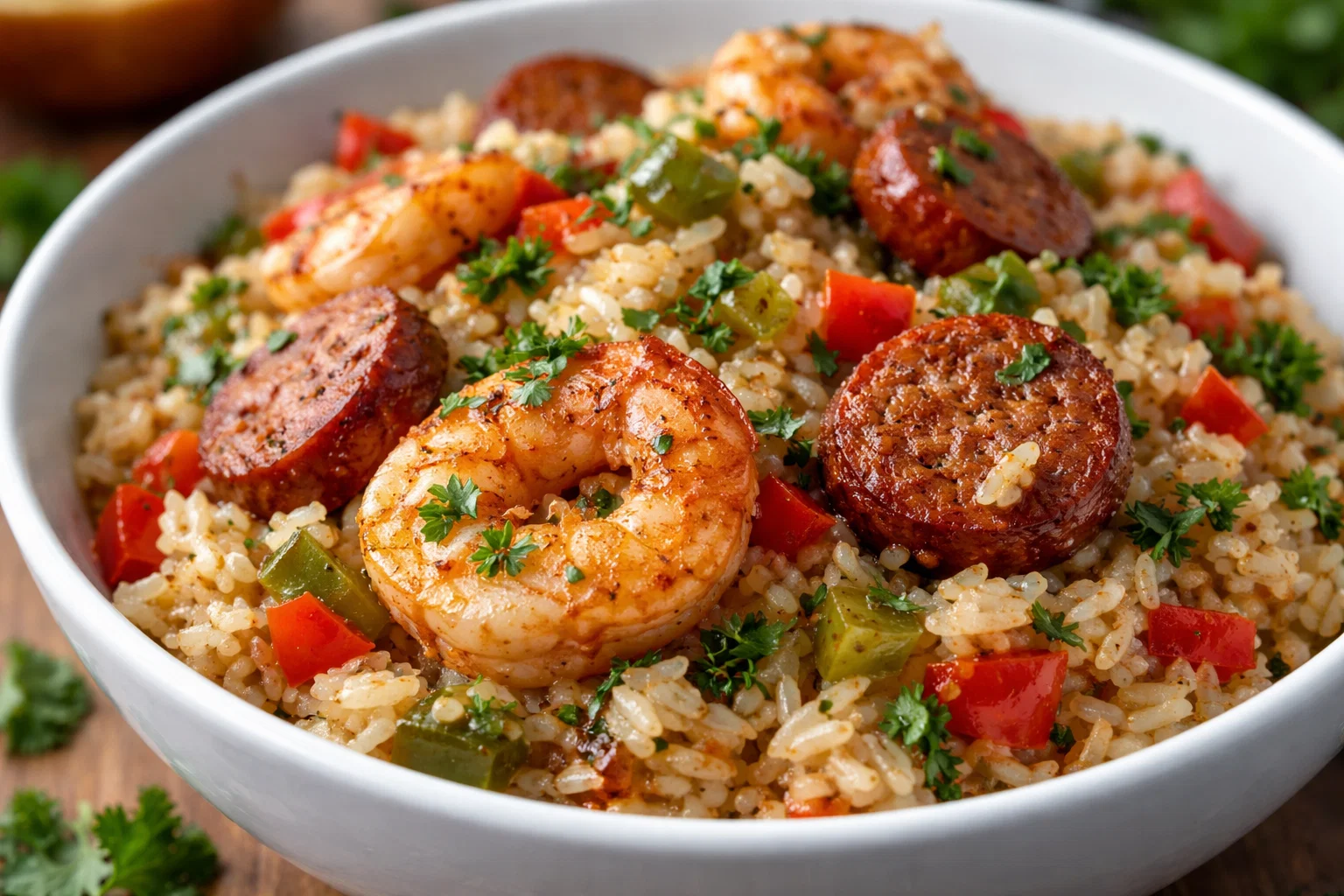
Welcome to our vibrant world of Deliciously Simple Jambalaya Recipes! These recipes, packed with flavor, warmth, and a hint of tropical flair, provide an exceptional option for anyone searching for easy dinner recipes that deliver both on taste and nutrition. With a combination of seasoned rice, protein, and assorted vegetables, jambalaya is a one-pot wonder that caters to diverse dietary preferences, making it a versatile meal for family or friends.
The beauty of jambalaya lies in its simplicity. It’s not just easy to make; it also allows you to incorporate a variety of healthy ingredients. Whether you are a busy parent looking to whip up a meal quickly, a student needing a budget-friendly option, or a health-conscious eater craving something nourishing, these recipes have got you covered. Plus, for those with specific dietary needs, we’ve included vegan, gluten-free, and low-calorie modifications to ensure that everyone at the table can enjoy this heartwarming dish.
Jambalaya is more than just a meal; it’s an experience, a tradition that brings people together. Dive into the world of flavors and textures with our delicious, easy-to-follow jambalaya recipes that will inspire your next culinary adventure!
Benefits and Advantages of Deliciously Simple Jambalaya Recipes 🥘✨
One of the most appealing aspects of jambalaya is its ease of preparation. With straightforward steps and common ingredients, anyone can enjoy this dish without feeling overwhelmed. Cooking is often seen as a chore, but these jambalaya recipes transform it into a fun, engaging activity that can be easily shared among family members, allowing everyone to join in the cooking process.
Not only is jambalaya simple to make, but it’s also incredibly healthy. Packed with protein from meats or plant-based sources, along with vitamins from fresh vegetables, this dish is a nutritious powerhouse. Nutritionally, jambalaya can be tailored to fit various dietary requirements. For instance, you can opt for brown rice to increase fiber content or skip the meat altogether for a vegan version without sacrificing flavor.
Furthermore, jambalaya stands out because it allows for an infinite array of variations. For those looking to explore different flavor profiles or utilize seasonal ingredients, jambalaya is a blank canvas that can adapt to every taste. This versatility helps you not just to save time but also to minimize food waste by using what you already have on hand.
Moreover, simplifying meal prep with easy dinner recipes like these can reduce stress during busy weekdays. It’s a satisfying feeling to know that you can create a delicious, nourishing meal, perfect for family dinners or entertaining guests, in such a short amount of time. With the joy of deliciousness and health benefits, what’s not to love about jambalaya?
Ingredients Overview
Essential Ingredients for Deliciously Simple Jambalaya Recipes 🥘✨
To make a delightful jambalaya, you will require the following essential ingredients:
-
2 cups long-grain rice: This is the foundation of the dish. Brown rice can be used for a healthier option, providing more fiber.
-
1 pound chicken breast or sausage (cut into bite-sized pieces): These proteins add heartiness to the dish. For vegan options, use 1 pound of tofu or tempeh instead.
-
1 bell pepper (chopped): Fresh bell pepper contributes a sweet crunch. Any color can be used—red, green, or yellow.
-
1 onion (chopped): A classic aromatic that builds the base flavor profile.
-
2 cloves of garlic (minced): Adds depth and aroma.
-
1 can (14.5 oz) diced tomatoes: Provides moisture and acidity, balancing the flavors.
-
3 cups chicken or vegetable broth: Incorporates flavor and moisture; use low-sodium options for health-conscious recipes.
-
1 tablespoon Cajun seasoning (or your own spice blend): This gives jambalaya its distinctive kick. You can adjust the amount according to your preferred spice level.
-
Salt and pepper: To taste.
-
Optional veggies: Such as peas, corn, or okra. These can be added for extra nutrition and texture.
Dietary Substitutions to Customize Your Deliciously Simple Jambalaya Recipes 🥘✨
Adapting jambalaya to meet your dietary needs has never been easier! Here are some quick substitutions to consider:
-
For a Vegan Version: Replace chicken or sausage with plant-based proteins, such as chickpeas or lentils. Use vegetable broth instead of chicken broth.
-
To Make it Gluten-Free: Ensure the broth and any seasoning used are gluten-free. Most ingredients are naturally gluten-free, making this dish easily adaptable.
-
Low-Calorie Options: Choose lean meats like chicken breast, increase vegetable quantities, and use cauliflower rice instead of traditional rice for a low-carb alternative.
-
For a Spicier Kick: Add in jalapeños or cayenne pepper to ramp up the heat.
By using these substitutions, you can ensure that everyone has the opportunity to relish in the delicious flavors of your jambalaya!
How to Prepare the Perfect Deliciously Simple Jambalaya Recipes 🥘✨: Step-by-Step Guide
Creating the perfect jambalaya is simpler than you might think. Follow this step-by-step guide to bring the rich flavors of Louisiana cooking into your home kitchen:
-
Prepare the Base: Start by heating a large, heavy-bottomed pot over medium-high heat. Add a tablespoon of olive oil to the pot and allow it to heat up.
-
Cook the Protein: Once the oil is hot, add the chopped chicken breast or sausage to the pot. Sauté the protein for about 7-8 minutes or until it’s browned and cooked through. If you’re making a vegan jambalaya, skip this step and prepare your plant-based protein separately, following the package instructions.
-
Combine Aromatics: Stir in the chopped onion, bell pepper, and garlic. Sauté this mixture for 3-4 minutes until the vegetables are softened and fragrant.
-
Incorporate Rice: Add the rice to the pot and stir until it’s well-mixed with the vegetable and protein mixture, allowing it to absorb some flavors for about 2 minutes.
-
Add Tomatoes and Broth: Pour in the can of diced tomatoes (with juice) and the chicken or vegetable broth. Stir well to combine.
-
Add Seasoning: Sprinkle in the Cajun seasoning, salt, and pepper. Stir until everything is evenly coated with spices.
-
Bring to a Boil: Increase the heat until the mixture comes to a low boil. Then, reduce to low heat, cover, and let it simmer.
-
Simmer: Allow the jambalaya to simmer for 20-25 minutes, or until the rice is tender and all the liquid has absorbed. Avoid stirring too frequently, or the rice may become mushy.
-
Final Touches: Once the rice is fully cooked, remove the pot from heat. Fluff the jambalaya with a fork. If you’re adding optional vegetables like peas or corn, stir them in now.
-
Serve: Plate your jambalaya hot, garnishing with fresh parsley or green onions if desired. Enjoy your delicious, easy dinner recipes with family and friends!
With these clear steps, you can easily conquer a flavorful jambalaya that meets everyone’s dietary needs!
Mastering Deliciously Simple Jambalaya Recipes 🥘✨: Advanced Tips and Variations
To elevate your jambalaya game, here are some advanced tips and variations that will delight your friends and family:
-
Layer Flavors: After sautéing the proteins and aromatics, consider adding smoked paprika or a dash of Worcestershire sauce to deepen the flavor further.
-
Utilize Leftovers: If you have leftover vegetables or proteins from your weekly meals, toss them in when you add the broth to create a unique jambalaya that reduces waste.
-
Seafood Options: For a coastal twist, include shrimp or crawfish! Add them in the last 5-10 minutes of cooking to prevent overcooking.
-
Spicy Jambalaya: For those who enjoy a bit of heat, a few dashes of hot sauce or a finely chopped jalapeño can be added to elevate the spice level.
-
Rice Variations: Experiment with specialty rices like jasmine or basmati for a different flavor and texture profile.
By mastering these tips and variations, you can turn your jambalaya into an exciting culinary endeavor that will impress all who gather around your table.
How to Store Deliciously Simple Jambalaya Recipes 🥘✨: Best Practices
Storing jambalaya properly ensures that you can continue to enjoy its flavors even after the initial meal. Here are the best practices for refrigeration, freezing, and reheating:
-
Refrigeration: Allow your jambalaya to cool to room temperature before transferring it to an airtight container. It can be stored in the refrigerator for up to 3-4 days, making it an excellent choice for meal prep.
-
Freezing: To freeze jambalaya, let it cool fully, then place it in a freezer-safe container or zip-lock bags, ensuring as much air is removed as possible. It can be frozen for up to 2-3 months without losing flavor or texture.
-
Reheating: Reheat frozen jambalaya overnight in the refrigerator for easier thawing. When ready to eat, warm it in a saucepan over medium heat, stirring in a splash of broth or water to maintain moisture. For microwaving, use a covered microwave-safe bowl, heating in 1-minute intervals until warm.
By following these storage practices, you can enjoy delicious, easy dinner recipes like jambalaya at your convenience!
Nutritional Value of Deliciously Simple Jambalaya Recipes 🥘✨
Understanding the nutritional value of your meals is crucial for maintaining a balanced diet. Below is the average nutritional information for a standard serving (1 cup) of chicken jambalaya, which can vary based on ingredient choices:
- Calories: 350 – 450 (depending on protein choice)
- Protein: 25 – 30g
- Total Fat: 10 – 15g
- Carbohydrates: 50 – 60g
- Dietary Fiber: 3 – 5g
- Sugars: 3 – 4g
- Sodium: 600 – 800mg (use low-sodium broth to reduce)
For healthier variations, consider using brown rice which may slightly alter these values by increasing fiber and reducing calories. Jambalaya embraces a well-rounded meal that allows you to enjoy both flavor and nutrition in a single dish!
FAQs: Frequently Asked Questions About Deliciously Simple Jambalaya Recipes 🥘✨
1. Can I make jambalaya in advance?
Absolutely! Jambalaya can be prepared ahead of time and stored in the refrigerator or freezer. Just follow our storage guidelines to keep it fresh.
2. Can I use different proteins in jambalaya?
Yes! You can use chicken, sausage, shrimp, or a plant-based protein of your choice. Feel free to mix them up for a delightful blend of flavors.
3. How can I make jambalaya less spicy?
If you prefer less heat, you can reduce the Cajun seasoning and avoid adding any spicy peppers. You can also serve it with a side of sour cream to mellow the flavors.
4. What if I don’t have Cajun seasoning?
No problem! You can create your own blend using paprika, thyme, oregano, cumin, and black pepper. This versatility helps you use what’s available in your pantry.
5. Can jambalaya be made vegetarian?
Definitely! Simply replace the meat with more vegetables and flavorful beans or legumes, and use vegetable broth for a satisfying vegetarian meal.
By addressing these frequently asked questions, we hope to make your jambalaya cooking experience easier and more enjoyable!
With so many delightful ways to customize and enjoy Deliciously Simple Jambalaya Recipes, you are now equipped with everything you need to create a meal that is not only satisfying but also easy to prepare. Embrace the flavors of this staple dish and share it with those you love, making every meal a celebration! 🥘✨