chewy brown sugar cookies :
Introduction to chewy brown sugar cookies
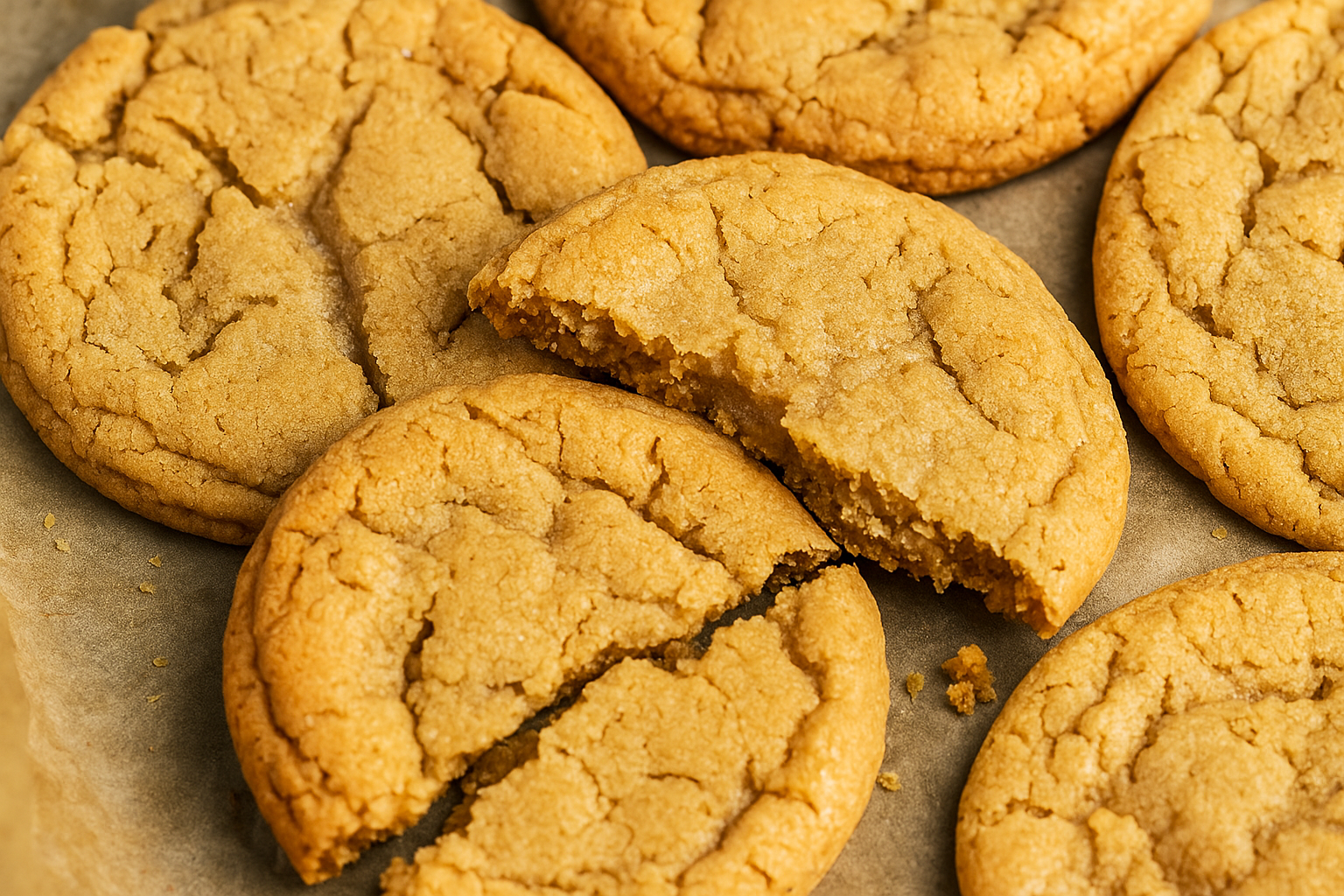
Chewy brown sugar cookies deliver warm, nostalgic flavor with a soft, tender bite, and they make a perfect everyday treat. In this recipe, chewy brown sugar cookies are easy to make, flexible for dietary needs, and friendly for busy schedules. Whether you are a home cook, a student with limited time, a busy parent looking for a quick bake, or a diet-conscious eater seeking adaptable treats, these chewy brown sugar cookies fit the bill. Moreover, they suit food enthusiasts, travelers who want a portable snack, newlyweds building kitchen confidence, seniors seeking simple recipes, and working professionals who crave comfort baking.
This cookie recipe highlights simple ingredients and straightforward steps, and it offers options to make the cookies vegan, gluten-free, or lower in calories. Additionally, the brown sugar base gives deep caramel notes and natural moisture, which helps the cookies remain soft for days. You can easily scale the batch up or down, and you can adapt the mix-in choices to suit your pantry. Also, the method uses common kitchen tools and minimal prep time, so novices and seasoned bakers alike will find success. In short, chewy brown sugar cookies are a crowd-pleasing, versatile cookie that rewards minimal effort with maximum taste. Try them for lunchboxes, afternoon coffee breaks, or a cozy weekend baking session.
Benefits and Advantages of chewy brown sugar cookies
Making chewy brown sugar cookies provides many advantages, and the reasons are both practical and sensory. First, the texture makes these cookies irresistible; brown sugar lends moisture and a slight chew that contrasts with a thin, crisp edge. Therefore each bite feels balanced, and you will often find that leftovers stay soft longer than many other cookie types. For busy households, this means you can bake once and enjoy treats for days. Moreover, the recipe uses pantry staples—flour, brown sugar, butter or substitute, egg or flax option, baking soda, and salt—so you rarely need a special supermarket run.
Second, chewy brown sugar cookies adapt easily to different diets. For vegan bakers, replace the egg with a flax or chia egg and use coconut oil or vegan margarine instead of butter; the result still maintains chewiness and rich flavor. For gluten-free diets, swap all-purpose flour for a 1-to-1 gluten-free blend that includes xanthan gum, and the cookies will spread and texture correctly in most cases. Additionally, you can create lower-calorie versions by reducing sugar slightly and using applesauce or mashed banana to replace some butter, though you may notice a slight change in texture. In each case, the brown sugar remains the star, providing molasses notes and chew.
Third, these cookies are scalable and versatile. You can add nuts, dark chocolate chips, oats, or spices without disrupting the base formula. Thus you can craft cookies for breakfast, dessert, or an on-the-go snack. Furthermore, the recipe appeals to a wide audience: students appreciate the quick prep, parents value the make-ahead convenience, and seniors benefit from a simple, low-stress bake. Overall, chewy brown sugar cookies stand out because they combine flavor, adaptability, and simplicity in one dependable recipe.
Ingredients Overview
Essential Ingredients for chewy brown sugar cookies
- 2 1/4 cups all-purpose flour — provides structure and chew; spoon and level for accurate measurement.
- 1 teaspoon baking soda — helps cookies spread and obtain that slightly crisp edge.
- 1/2 teaspoon fine sea salt — balances sweetness and enhances flavor.
- 1 cup (2 sticks) unsalted butter, softened to room temperature — contributes richness and chew; for vegan option, use 1 cup coconut oil or vegan butter substitute.
- 1 1/4 cups packed light brown sugar — the primary flavoring and moisture source that creates chewiness.
- 1/2 cup granulated sugar — optional for a slight crunch on the surface and balanced sweetness.
- 1 large egg at room temperature — binds and adds tenderness; for vegan option use 1 flax egg (1 tablespoon ground flaxseed + 3 tablespoons water).
- 2 teaspoons pure vanilla extract — deepens flavor and complements caramel notes.
- 1 tablespoon cornstarch — optional; improves tenderness and chew.
- 1 cup mix-ins (optional): chocolate chips, chopped pecans, walnuts, raisins, or shredded coconut — customize texture and taste.
Diet-conscious notes:
- Vegan option: use 1 cup vegan margarine or coconut oil, and replace the egg with the flax egg.
- Gluten-free option: use 2 1/4 cups 1:1 gluten-free flour blend that includes xanthan gum.
- Low-calorie option: replace 1/2 cup butter with 1/2 cup unsweetened applesauce, reduce brown sugar to 1 cup, and omit granulated sugar. Expect slightly different chew and flavor.
Dietary Substitutions to Customize Your chewy brown sugar cookies
- Egg substitutes: For vegans, use a flax egg (1 tablespoon ground flax + 3 tablespoons warm water, let rest 5 minutes). For those with egg allergies but not following veganism, use 1/4 cup commercial egg replacer mixed per package instructions.
- Butter alternatives: Swap with an equal amount of vegan butter for dairy-free cookies, or use refined coconut oil for a subtle coconut note. If you seek lower saturated fat, use 1/2 cup butter + 1/2 cup unsweetened applesauce, though texture will be softer and less rich.
- Flour swaps: To make the cookies gluten-free, use a high-quality 1-to-1 gluten-free blend that contains xanthan gum. For a denser yet hearty variant, replace up to 1 cup of all-purpose flour with old-fashioned rolled oats that have been pulsed into a coarse flour, but do not exceed 1 cup to maintain structure.
- Sugar adjustments: Use dark brown sugar for a more pronounced molasses flavor, or reduce total sugar by 1/4 cup to lower calories while maintaining acceptability. For natural sweeteners, try coconut sugar in a 1:1 swap, though color and flavor will deepen.
- Low-FODMAP or sugar-sensitive options: Use a combination of brown sugar substitutes and natural sweeteners such as erythritol-based blends formulated for baking, following product conversion ratios.
- Add-ins and mix-ins: For nut-free environments, substitute seeds like pumpkin or sunflower seeds, or use dried fruit. For grain-free baking, use a tested almond-flour-based formula rather than a straight swap; almond flour requires less overall flour and may need an additional binder like tapioca starch.
These substitutions let you adapt chewy brown sugar cookies for many dietary preferences without sacrificing the essential texture and sweet caramel character that make this cookie beloved.
How to Prepare the Perfect chewy brown sugar cookies : Step-by-Step Guide
First Step: Preheat your oven to 350°F and line two baking sheets with parchment paper or a silicone baking mat. Meanwhile, let your butter and egg come to room temperature so they incorporate smoothly, therefore producing a consistent dough.
Second Step: Whisk together the dry ingredients in a medium bowl: add 2 1/4 cups all-purpose flour, 1 teaspoon baking soda, 1/2 teaspoon salt, and 1 tablespoon cornstarch. Stir until evenly combined, and then set the bowl aside so you can use it when your wet ingredients are ready.
Third Step: In a large mixing bowl, cream the softened butter (1 cup) with 1 1/4 cups packed light brown sugar and 1/2 cup granulated sugar using an electric mixer at medium speed for about 2 to 3 minutes. Beat until the mixture looks light and slightly fluffy, which indicates that air has incorporated and the cookies will have nice texture.
Fourth Step: Add 1 large room-temperature egg and 2 teaspoons pure vanilla extract to the creamed butter and sugar. Mix on low speed until just combined, then increase speed briefly to ensure the mixture is smooth. If making a vegan version, add the prepared flax egg and full-strength vanilla here instead.
Fifth Step: Gradually add the dry ingredient mixture to the wet mixture in two additions, mixing on low speed until just combined. Scrape down the sides of the bowl with a spatula between additions to ensure even distribution. Be careful not to overmix; the dough should come together but stay tender.
Sixth Step: Fold in your optional mix-ins—1 cup of chocolate chips, chopped nuts, or dried fruit—using a spatula. For varied texture, try half semisweet chocolate chips and half toasted pecans. Also, you can add 1/2 teaspoon ground cinnamon for warm spice notes, if desired.
Seventh Step: Chill the cookie dough for at least 30 minutes in the refrigerator when time allows; chilling firms the fat and prevents excessive spread. However, if you need cookies quickly, you can bake immediately; the cookies will be slightly thinner and possibly crispier around the edges.
Eighth Step: Scoop dough by rounded tablespoons or use a 1 1/2-tablespoon cookie scoop and space dough balls 2 inches apart on the prepared baking sheets. For larger cookies, use a 2-tablespoon scoop and adjust baking time accordingly. Also, flatten each ball just slightly with the palm of your hand for consistent baking.
Ninth Step: Bake the cookies at 350°F for 9 to 12 minutes for medium-sized cookies. The cookies are done when edges look set and golden while centers remain slightly soft. For larger cookies bake 12 to 14 minutes and for smaller cookies check at 8 minutes. Moreover, rotate the baking sheet halfway through to promote even browning.
Tenth Step: Remove the baking sheet from the oven and let the cookies rest on the sheet for 3 to 5 minutes. This step lets the cookies finish cooking gently and set their chewy interior. Then transfer cookies to a wire rack to cool completely. Cooling yields a firmer edge and a soft, chewy middle.
Eleventh Step: Serve the cookies warm or store them for later enjoyment. To keep chewy brown sugar cookies soft longer, place a slice of white bread or a few apple slices in your cookie container; the cookies will absorb moisture and remain tender. Also, if storing for several days, use an airtight container at room temperature for up to 4 days.
Twelfth Step: Reheat cookies briefly in a 300°F oven for 3 to 4 minutes before serving to restore that just-baked softness. For microwave reheating, place a cookie on a microwave-safe plate with a damp paper towel and heat for 10 to 12 seconds; this trick softens the center without making the cookie soggy.
Thirteenth Step: If you try variations like a gluten-free substitution, follow the same method but watch dough consistency; you may need to add 1 to 2 tablespoons additional gluten-free flour to reach the right scoopable texture. Likewise, when using applesauce reduction for lower-fat cookies, chill the dough longer to firm it up before baking.
Fourteenth Step: Experiment with mix-ins and toppings after you master the basic technique. Add a sprinkle of flaky sea salt on top right after baking for a salted caramel contrast. Alternatively, press an extra chocolate chip into the hot center for a melty finish. And finally, store cooled cookies properly to retain chewiness as described in the storage section.
This step-by-step method emphasizes how to make chewy brown sugar cookies reliably and how to adapt the process for dietary preferences and flavor variations.
Mastering chewy brown sugar cookies : Advanced Tips and Variations
To master chewy brown sugar cookies, focus on small technique details that deliver consistent results. First, measure flour accurately by spooning it into the measuring cup and leveling with a knife. Too much flour produces dense, cakey cookies, so weigh the flour if you have a kitchen scale. Second, use room-temperature ingredients for even creaming. When butter and egg blend smoothly, the cookies develop better structure and chew. Additionally, creaming the butter and sugars for the right amount of time ensures proper aeration; stop when the mixture looks light and not grainy.
Third, control spread by chilling dough. When butter is cold, cookies spread less, which creates a thicker, chewier center. For uniform results, chill scooped dough on a baking sheet and then bake straight from the cold. For higher, chewier cookies, bake at 375°F for a shorter time to set the edges while keeping the center soft, but monitor closely to avoid burning.
Fourth, tweak sugar balance to affect chew. Brown sugar adds moisture and caramel flavor because of its molasses content, while granulated sugar promotes crisping. To maximize chewiness, increase the ratio of brown sugar to white sugar, but be mindful that too much brown sugar will darken flavor and color. For a deeper flavor profile, use part dark brown sugar.
Fifth, consider adding a small amount of cornstarch (1 tablespoon) to the dough; this trick improves tenderness and chew. Also, for a slightly fudgier interior, add an extra yolk when you are not making a vegan version. Conversely, to make the cookie chewier but less sweet, stir in 1/2 cup quick oats for texture without overwhelming the recipe.
Sixth, experiment with flavor variations. Try brown butter (clarified and browned butter) for a nutty, toasted flavor—cool it slightly before creaming to avoid melting sugar. Add-ins like chopped browned pecans, crystallized ginger, or a pinch of smoked sea salt create gourmet iterations. For a holiday twist, fold in 1/2 cup dried cranberries and 1/2 teaspoon orange zest.
Seventh, adapt baking for altitude and humidity. In high-humidity kitchens, decrease liquid slightly or add a tablespoon more flour. At high altitude, increase oven temperature by 15 to 25°F and reduce baking soda by about 1/8 teaspoon to balance rise and spread.
Eighth, for presentation, sandwich two cooled chewy brown sugar cookies with a light buttercream, peanut butter, or vanilla ice cream to create a decadent treat. For gifting, package cooled cookies in wax paper-lined tins and include storage tips to keep them chewy for days.
Finally, keep experimenting and note what works in your kitchen. Small changes in butter type, sugar ratio, and baking time will produce distinct textures, and you will soon perfect your preferred version of chewy brown sugar cookies.
How to Store chewy brown sugar cookies : Best Practices
To store chewy brown sugar cookies and keep them soft, follow a few simple strategies. First, let cookies cool completely on a wire rack before storing. Storing warm cookies traps steam and leads to sogginess. Once cool, place cookies in an airtight container layered with parchment paper to prevent sticking. Keep the container at room temperature for up to four days. Also, adding a slice of white bread or a single apple slice to the container helps preserve moisture; replace the bread or apple every 24 hours if you store longer.
For longer storage, freeze baked cookies. Arrange cookies in a single layer on a baking sheet and flash-freeze for 30 to 60 minutes. Then transfer frozen cookies to a freezer-safe bag or airtight container with parchment between layers and freeze for up to three months. To thaw, place cookies on a rack at room temperature for 15 to 30 minutes, or reheat briefly in a 300°F oven for 3 to 4 minutes to restore chewiness.
If you prefer to freeze dough, scoop dough balls onto a baking sheet and freeze until solid. Store frozen dough balls in a resealable bag, and bake directly from frozen—add 2 to 3 minutes to the baking time and monitor closely. This method gives you freshly baked chewy brown sugar cookies anytime with minimal effort.
When reheating, use a low oven temperature to soften the center without drying the cookie. For single-serving warmth, microwave a cookie for 8 to 12 seconds with a damp paper towel nearby to add humidity. Be cautious not to overheat, as cookies will become tough if microwaved too long.
Finally, label stored containers with the date and method (baked or dough). These practices will ensure you consistently enjoy soft, flavorful chewy brown sugar cookies, whether you bake for immediate enjoyment or plan ahead with frozen dough.
Nutritional Value of chewy brown sugar cookies
Below is an estimated nutrition table for one medium cookie (based on 24 cookies per batch using the standard recipe with butter and egg). Values are approximate and will vary with substitutions, add-ins, and cookie size. For accurate tracking, use a nutrition calculator based on your specific ingredients.
| Nutrient | Amount per cookie |
|---|---|
| Calories | 150 kcal |
| Total Fat | 7 g |
| Saturated Fat | 4.5 g |
| Trans Fat | 0 g |
| Cholesterol | 25 mg |
| Sodium | 85 mg |
| Total Carbohydrates | 20 g |
| Dietary Fiber | 0.5 g |
| Sugars | 11 g |
| Protein | 1.5 g |
| Vitamin A | 210 IU |
| Calcium | 15 mg |
| Iron | 0.6 mg |
These values provide a baseline for the standard version of chewy brown sugar cookies. If you use vegan butter and a flax egg, you will reduce cholesterol and possibly saturated fat, though calories may remain similar. Switching to a gluten-free blend will not significantly change macronutrients, but replacing half the butter with applesauce will lower total fat and overall calories by roughly 15 to 30 percent per cookie.
For those tracking sugar intake, note that reducing brown sugar and granulated sugar will lower the sugar grams proportionally. Using sugar substitutes designed for baking can reduce digestible carbohydrate counts, which in turn affects the calories and glycemic impact. Also, adding nuts increases protein and healthy fats, while adding oats increases fiber and complex carbohydrates.
When you plan for specific dietary needs—such as lower sodium, reduced sugar, or higher protein—adjust ingredients thoughtfully and recalculate nutrition based on the exact swaps. Overall, chewy brown sugar cookies can be adjusted to better align with health goals while still offering that comforting, caramelized flavor.
FAQs: Frequently Asked Questions About chewy brown sugar cookies
Q: How do I make chewy brown sugar cookies without eggs?
A: Use a flax egg (1 tablespoon ground flaxseed mixed with 3 tablespoons water, let sit 5 minutes) as an effective binder and moisture contributor. Also, ensure you chill the dough slightly because flax eggs produce a slightly looser dough than chicken eggs. This swap keeps the cookies chewy and dairy-free when paired with vegan butter.
Q: Can I make chewy brown sugar cookies gluten-free?
A: Yes, replace the all-purpose flour with a 1:1 gluten-free flour blend that contains xanthan gum. Measure carefully and consider adding 1 to 2 tablespoons extra flour if the dough seems too wet. Chill the dough to control spread, and bake as directed while watching for a slightly different texture.
Q: Why are my chewy brown sugar cookies too flat?
A: Flat cookies usually result from softened or melted butter, too little flour, or too warm dough. To fix flattening, chill the dough for 30 minutes before baking and measure flour accurately by spooning it into the cup rather than scooping. Also, verify your baking soda is fresh; stale leavening may affect rise.
Q: How can I make chewy brown sugar cookies chewier?
A: Increase the proportion of brown sugar to white sugar, add 1 tablespoon cornstarch for tenderness, and slightly underbake so the centers remain soft. Chilling dough also helps cookies retain a thicker, chewier interior.
Q: What is the best way to keep chewy brown sugar cookies soft for days?
A: Store cooled cookies in an airtight container with a slice of white bread or a few apple slices to maintain moisture. Replace the bread or apple slice if storing longer than 24 hours. Freezing baked cookies also preserves texture well for longer storage.
Q: Can I freeze the dough for later baking?
A: Absolutely. Scoop dough balls, freeze them on a sheet until firm, then transfer to a resealable bag. Bake from frozen and add 2 to 3 minutes to the baking time. This method gives you fresh-tasting chewy brown sugar cookies whenever you want.
Q: Is brown butter better for chewy brown sugar cookies?
A: Brown butter adds a nutty, caramelized depth that pairs exceptionally well with brown sugar. Use cooled brown butter to prevent melting the sugars during creaming. The cookies will taste more complex, and many bakers prefer this upgrade for special occasions.
Q: How do I reduce calories without losing chewiness?
A: Replace up to half the butter with unsweetened applesauce and reduce brown sugar slightly, but anticipate a softer, less rich cookie. Alternatively, reduce granulated sugar by 25 percent and add a tablespoon of cornstarch to preserve tenderness.
Q: Can I add oats to chewy brown sugar cookies?
A: Yes, add up to 1/2 to 1 cup of quick oats for texture and fiber. If you add more than 1/2 cup, the cookies will become denser and chewier, so balance with slightly more liquid or a touch more butter.
Q: Why does my dough look dry or crumbly?
A: Dry dough often means too much flour or not enough fat or liquid. Ensure you measured flour correctly, and if the dough seems crumbly, add a teaspoon of milk or water at a time until it comes together. For vegan dough, add a touch more flax egg mixture.
These frequently asked questions address common troubleshooting, dietary adaptations, and storage tips so you can enjoy flawless chewy brown sugar cookies whether you are a beginner baker or a seasoned home cook.