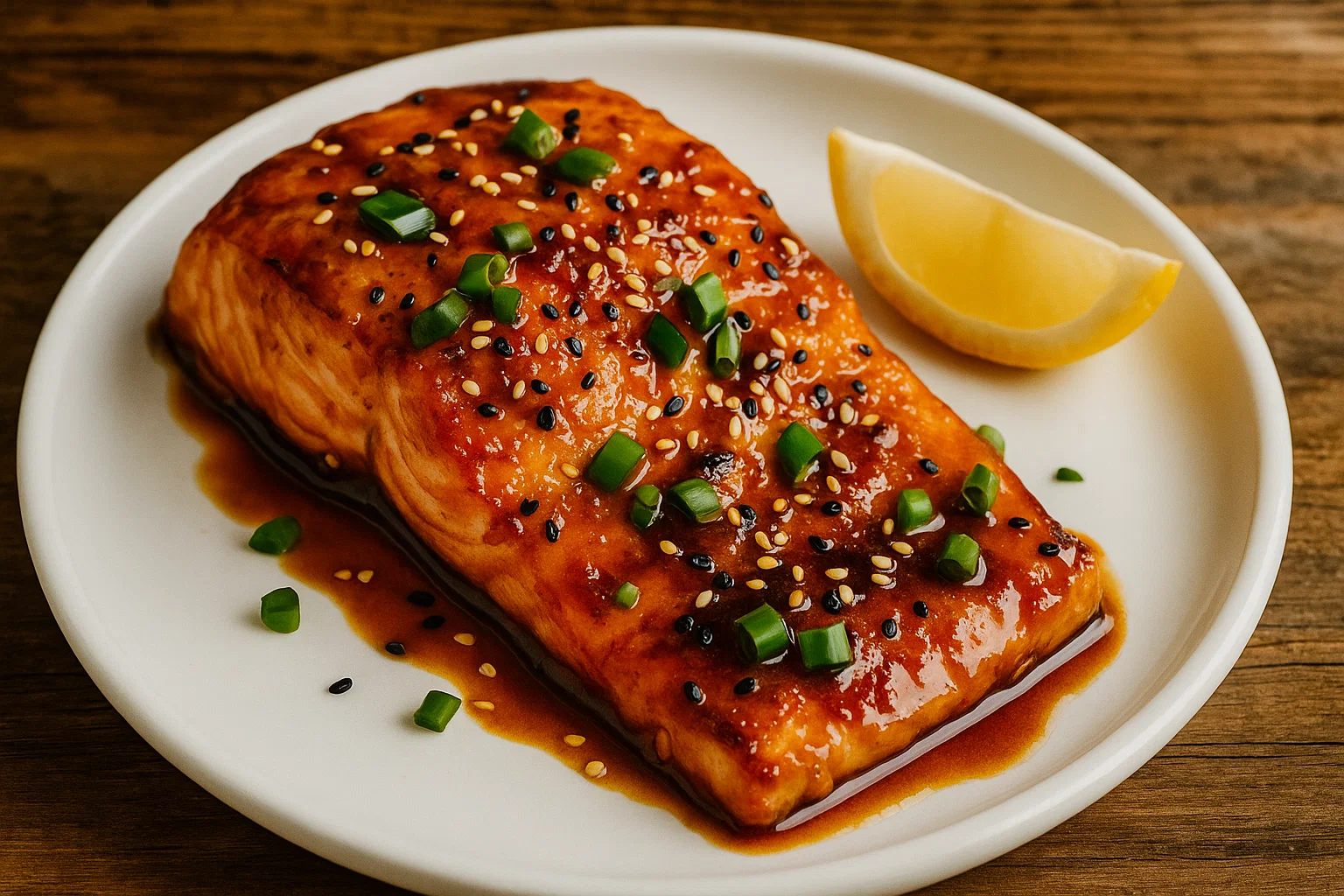
honey sugar soy sauce salmon :
Introduction to honey sugar soy sauce salmon
If you crave a simple, flavorful main dish that satisfies weeknight dinners and special occasions alike, honey sugar soy sauce salmon delivers every time. This honey sugar soy sauce salmon pairs a sweet honey glaze with a touch of brown sugar and the savory depth of soy sauce, creating a glossy, caramelized finish on tender salmon fillets. In the first 100 words you’ll discover how this honey sugar soy sauce salmon becomes a go-to for busy parents, students, diet-conscious eaters, working professionals, newlyweds, and seniors who want big taste with minimal fuss.
This recipe suits many dietary needs: naturally gluten-free when you use tamari or gluten-free soy sauce, heart-healthy when you select wild-caught or farmed salmon with lower fat, and easily adapted to vegan diets using tofu or tempeh as a plant-based swap. It cooks quickly, reheats well, and pairs beautifully with salads, steamed vegetables, or rice bowls. You’ll love how the balance of sweet and savory elevates simple ingredients into a restaurant-quality plate at home. In addition, this honey sugar soy sauce salmon requires only common pantry staples, making it accessible for students and travelers cooking with limited supplies. Overall, expect fast prep, nutritious protein, and a flexible recipe that fits many lifestyles and palates.
Benefits and Advantages of honey sugar soy sauce salmon
This honey sugar soy sauce salmon stands out because it blends speed, nutrition, and flavor. First, salmon provides high-quality protein and omega-3 fatty acids that support heart and brain health. Meanwhile, the honey-sugar-soy glaze contributes satisfying sweetness and umami without heavy sauces or long marinating times. Many readers will appreciate that this honey sugar soy sauce salmon finishes in under 20 minutes on the stove or in the oven, making it perfect for weeknights, meal prep, and quick dinners for busy families.
Additionally, the recipe adapts easily: use low-sodium soy sauce for reduced salt intake, swap honey for maple syrup to make a vegan-friendly glaze, or replace sugar with a sugar substitute for lower-calorie versions. Because the glaze coats the salmon thinly, the dish remains light and suitable for calorie-conscious diners. For those managing gluten intolerance, choose gluten-free tamari or coconut aminos to maintain the sweet-savory profile without wheat. Students and novice cooks will find the method forgiving; you can broil, pan-sear, or bake and still achieve a caramelized finish.
Moreover, the honey sugar soy sauce salmon works across meal plans. Serve it over cauliflower rice for low-carb diets, pair with quinoa for balanced meals, or add a citrusy salad for extra freshness. The glaze forms a thin crust that keeps the salmon moist, preventing dryness that often occurs with overcooking. For travelers and food enthusiasts, this recipe captures global flavors with minimal steps, offering a taste of East meets West that feels both exotic and familiar. In short, the honey sugar soy sauce salmon excels by offering convenience, nutrition, and versatility that suit a broad audience of home cooks.
Ingredients Overview
Essential Ingredients for honey sugar soy sauce salmon
- 1 1/2 pounds salmon fillets (about 2-3 fillets), skin-on or skinless — choose fresh or thawed frozen salmon for best texture. Salmon supplies omega-3s and protein.
- 3 tablespoons honey — creates the sweet component and helps caramelize the surface. Vegan option: use 3 tablespoons maple syrup.
- 1 tablespoon packed brown sugar — adds depth and helps form a sticky glaze. Low-calorie option: 1 tablespoon granular erythritol or a tablespoon of monk fruit sweetener.
- 3 tablespoons soy sauce (use low-sodium if preferred) — provides umami and salt. Gluten-free option: use 3 tablespoons tamari or coconut aminos.
- 2 tablespoons rice vinegar or apple cider vinegar — brightens the glaze and balances sweetness.
- 1 tablespoon toasted sesame oil — enhances aroma and adds a nutty finish. Substitute with 1 tablespoon neutral oil for sesame allergy.
- 2 cloves garlic, minced (about 1 teaspoon jarred garlic) — brings savory depth.
- 1 teaspoon grated fresh ginger or 1/2 teaspoon ground ginger — adds warmth and freshness.
- 1/4 teaspoon freshly ground black pepper — light seasoning; adjust to taste.
- 1 tablespoon cornstarch mixed with 1 tablespoon water (optional) — creates a slightly thicker glaze if desired.
- 2 green onions, sliced thin for garnish — for brightness and color.
- 1 tablespoon toasted sesame seeds for garnish (optional)
Diet-conscious labeling:
- Vegan substitution: Replace salmon with 1 pound extra-firm tofu (pressed) or 1 pound tempeh. Use maple syrup instead of honey and tamari for gluten-free.
- Gluten-free: Use tamari or coconut aminos for soy sauce.
- Low-calorie: Use a sugar-free sweetener and reduce oil to 1 teaspoon; serve with steamed vegetables or a salad.
Dietary Substitutions to Customize Your honey sugar soy sauce salmon
- For vegan or plant-based diets: Swap salmon with 1 pound extra-firm tofu pressed and cut into 1/2-inch thick slabs or use tempeh sliced into 1/2-inch pieces. Replace honey with 3 tablespoons maple syrup and confirm tamari or coconut aminos are used instead of standard soy sauce.
- For gluten-free needs: Swap regular soy sauce for 3 tablespoons tamari or 3 tablespoons coconut aminos. Both maintain umami without gluten.
- To reduce sugar or calories: Replace 1 tablespoon brown sugar with 1 tablespoon erythritol or monk fruit sweetener and use a sugar-free syrup or reduced amount of honey. Use low-sodium soy sauce and reduce sesame oil to 1 teaspoon to lower fat.
- To make a spicier version: Add 1/2 teaspoon chili flakes, 1 teaspoon gochujang (Korean chili paste), or 1/2 teaspoon sriracha to the glaze.
- For nut or sesame allergies: Omit sesame oil and seeds; substitute 1 tablespoon neutral oil (canola or avocado) and finish with chopped scallions instead of seeds.
- For a citrus twist: Add 1 teaspoon orange zest and 1 tablespoon fresh orange juice to the glaze for brightness and fruity notes.
- To make the glaze thicker for glazing: Use the cornstarch slurry (1 tablespoon cornstarch + 1 tablespoon water) and stir into the simmering glaze for 30-60 seconds until it thickens.
- For portion control or extra servings: Scale the glaze proportionally — for 2 pounds salmon, increase honey and soy sauce by 1/3 to maintain balance.
These substitutions keep the core sweet-savory character of honey sugar soy sauce salmon while allowing readers to tailor the dish to allergies, dietary preferences, and ingredient availability.
How to Prepare the Perfect honey sugar soy sauce salmon : Step-by-Step Guide
First Step: Prepare and preheat. Pat the salmon fillets dry with paper towels and season lightly with 1/4 teaspoon black pepper. If your fillets have skin, leave it on to protect the flesh during cooking. Preheat your oven to 425°F for oven-baked salmon, or heat a large nonstick skillet over medium-high heat for pan-searing. If broiling, position the rack 6 inches from the element and preheat broiler. Meanwhile, prepare the glaze so it’s ready once the salmon starts to cook.
Second Step: Make the glaze. In a small bowl combine 3 tablespoons honey, 1 tablespoon brown sugar, 3 tablespoons soy sauce or tamari, 2 tablespoons rice vinegar, 1 tablespoon toasted sesame oil, 2 cloves minced garlic, and 1 teaspoon grated ginger. Whisk until smooth. For a thicker glaze, whisk in the cornstarch slurry. Taste and adjust: add more vinegar for brightness, or more honey for sweetness. This honey sugar soy sauce salmon glaze forms the flavorful coating that caramelizes during cooking.
Third Step: Marinate briefly (optional). For deeper flavor, place the salmon in a shallow dish and spoon half the glaze over the fillets. Marinate for 10 to 20 minutes at room temperature; avoid longer than 30 minutes as acid can start to cure the fish. Busy cooks can skip marinating and brush the glaze on during the final minutes of cooking. The honey sugar soy sauce salmon works well both ways.
Fourth Step: Sear the salmon (stovetop option). Add 1 tablespoon neutral oil to the hot skillet and place salmon skin-side up. Sear for 3 to 4 minutes without moving to develop a golden crust. Flip the fillets and cook 2 more minutes. Reduce heat to medium-low and brush with half of the remaining glaze; cook 1 to 2 minutes until the glaze sets. This quick method yields a crispy exterior and moist interior. For tofu or tempeh, increase cook time to 3-4 minutes per side after pressing to remove moisture.
Fifth Step: Bake the salmon (oven option). Line a baking sheet with foil and place the fillets skin-side down. Brush each fillet with half the glaze. Bake at 425°F for 8 to 12 minutes depending on thickness — 8 minutes for 1-inch fillets, up to 12 minutes for thicker pieces. In the last 2 minutes, switch to broil and brush with the remaining glaze to caramelize the top. The honey sugar soy sauce salmon bakes evenly and stays tender when you avoid overcooking.
Sixth Step: Broil for caramelization (broiler option). If you prefer a deeply caramelized finish, broil for 2 to 3 minutes after glazing. Watch closely to prevent burning. This final high-heat step helps the sugar in the honey and brown sugar to crisp slightly, giving the dish a glossy, slightly charred edge. For plant-based alternatives, broil for 3 to 4 minutes to achieve similar color.
Seventh Step: Rest and finish. Remove salmon from heat and let it rest for 2 minutes. Resting lets juices redistribute and the glaze settle. Spoon any pan juices over the fillets. Garnish with sliced green onions and toasted sesame seeds. Serve immediately over steamed rice, quinoa, or a bed of greens for a balanced meal. The honey sugar soy sauce salmon shines when plated with contrasting textures like crunchy cucumbers or lightly steamed broccoli.
Eighth Step: Adapt for dietary needs on the fly. For gluten-free diners, use tamari in the glaze and verify all condiments are gluten-free. For a vegan version, prepare pressed tofu in the same way, searing until golden and finishing under the broiler with a maple-based glaze. To lower sodium, substitute low-sodium soy sauce and reduce added salt in side dishes. The method lets you adapt quickly while preserving the signature flavor.
Ninth Step: Make-ahead and meal prep. Cook several fillets and store refrigerated for up to 3 days for quick lunches or dinners. Reheat gently in a 300°F oven for 8-10 minutes or briefly in a skillet with a splash of water to steam and revive the glaze. The honey sugar soy sauce salmon also freezes well — flash-freeze individual portions before placing in airtight containers for up to 2 months.
Tenth Step: Plate creatively. Drizzle a little extra leftover glaze warmed over the plated fillet for shine and added moisture. Add a squeeze of fresh lemon or lime for acidity if desired. Serve with side dishes tailored to your audience: simple steamed veggies for seniors, a grain bowl for students, or an elegant salad for date nights. This final touch helps the honey sugar soy sauce salmon deliver consistently satisfying results.
Mastering honey sugar soy sauce salmon : Advanced Tips and Variations
- Tip: Control the heat precisely. Use medium-high to sear, then reduce to medium-low to finish. High heat creates a crisp exterior but can overcook the interior quickly; moderate heat keeps the salmon moist. This method works for honey sugar soy sauce salmon whether you pan-sear, grill, or bake.
- Tip: Dry the salmon thoroughly. Moisture inhibits browning. Pat fillets dry and lightly dust with a pinch of cornstarch for extra crispness on the exterior before searing.
- Tip: Brush during cooking, not before lengthy exposure. If you apply the full glaze too early and cook at high heat, the sugars may burn. Brush glaze in the last few minutes to allow sugars to caramelize without burning.
- Tip: Use skin-on fillets to protect the flesh. Crisp the skin for texture while preserving moisture in the flesh. When serving, easily slide a spatula between the flesh and skin to plate.
- Variation: Spicy honey sugar soy sauce salmon. Add 1 teaspoon gochujang or 1/2 teaspoon chili flakes to the glaze for a spicy kick. This variation appeals to heat lovers and pairs well with steamed bok choy.
- Variation: Citrus-maple salmon. Swap honey for maple syrup and add 1 tablespoon orange juice and 1 teaspoon zest for a bright, fruity glaze. This suits fall menus and vegan adaptations.
- Variation: Garlic-ginger glaze. Increase garlic to 3 cloves and ginger to 2 teaspoons for an intensified aromatic profile. This version complements hearty sides like roasted sweet potatoes.
- Variation: Miso-honey soy salmon. Whisk 1 tablespoon white miso into the glaze for extra umami and a creamy texture. Reduce soy sauce slightly to prevent over-salting. This advanced twist adds depth and pairs well with pickled vegetables.
- Tip: For perfectly even cooking, allow salmon to come to room temperature for 15 minutes before cooking. This step prevents the center from remaining cool while the outside overcooks.
- Tip: Use a thermometer. Cook salmon to an internal temperature of 125°F to 130°F for medium-rare to medium; remove from heat and rest — it will carryover cook to about 135°F. This control helps you serve consistently tender honey sugar soy sauce salmon.
- Tip: Pan sauce bonus. After removing salmon, deglaze the pan with 1/4 cup water, use the remaining glaze, and reduce briefly to make a silky sauce to spoon over the fish. This technique elevates presentation for entertaining.
- Tip: Pairing suggestions. Serve with steamed jasmine rice, roasted asparagus, or a crunchy cabbage slaw. The balance of sweet and savory in the honey sugar soy sauce salmon complements both simple and complex sides.
These tips and variations help readers refine technique and explore new flavor profiles while staying true to the core sweet-savory character of honey sugar soy sauce salmon.
How to Store honey sugar soy sauce salmon : Best Practices
Refrigeration: Cool cooked salmon to room temperature no longer than 2 hours after cooking. Place fillets in airtight containers or wrap tightly with plastic wrap and store in the refrigerator for up to 3 days. Store glaze and any additional sauce separately when possible to retain texture — warm glaze can make sides soggy.
Freezing: For longer storage, freeze cooked portions individually. Wrap each fillet in plastic wrap, then foil, or use vacuum-sealed bags to prevent freezer burn. Label packages with date and freeze for up to 2 months. Thaw overnight in the refrigerator before reheating.
Reheating: Reheat gently to preserve moisture. Preheat oven to 300°F and place salmon on a baking sheet, loosely covered with foil to prevent drying, and warm for 8-12 minutes until heated through. Alternatively, reheat in a skillet over low heat with a tablespoon of water or low-sodium broth and a lid to steam gently for 3-5 minutes. Microwave on medium power in short bursts if needed, but watch carefully to avoid overcooking. Reapply or warm leftover glaze and spoon over the fillet after reheating to refresh flavor.
Meal prep tip: Store cooked rice, vegetables, and salmon in separate containers to maintain texture. Assemble bowls the day you eat them for the best quality. When storing vegan versions like tofu, keep the glaze separate and warm before serving to maintain crispness. These storage methods keep your honey sugar soy sauce salmon tasting fresh and convenient for busy schedules.
Nutritional Value of honey sugar soy sauce salmon
Below is an approximate nutrition breakdown per serving for a standard recipe yielding 4 servings (based on 1 1/2 pounds salmon and the listed glaze). Values are estimates and will vary by ingredient brands and portion sizes. This table highlights calories, fat, protein, carbohydrates, sugar, and sodium to help diet-conscious readers evaluate this honey sugar soy sauce salmon.
| Nutrient | Per Serving (approx.) |
|---|---|
| Calories | 420 kcal |
| Total Fat | 20 g |
| Saturated Fat | 3.5 g |
| Polyunsaturated Fat (including omega-3s) | 4.5 g |
| Monounsaturated Fat | 9 g |
| Cholesterol | 95 mg |
| Sodium | 680 mg (use low-sodium soy reduces to ~420 mg) |
| Total Carbohydrates | 20 g |
| Dietary Fiber | 0.5 g |
| Sugars | 15 g (includes honey and brown sugar) |
| Protein | 38 g |
| Vitamin D | 450 IU (varies by salmon type) |
| Calcium | 25 mg |
| Iron | 0.9 mg |
| Potassium | 720 mg |
Nutrition notes:
- The calorie and fat counts reflect the natural oils in salmon, which include heart-healthy omega-3 fatty acids. For a lower-calorie version, reduce honey by half and use a sugar substitute; swap some oil for a nonstick spray.
- For sodium-sensitive diets, choose low-sodium soy sauce or tamari and rinse any pre-salted ingredients.
- Vegan tofu alternative reduces omega-3 content but retains healthy protein; add ground flaxseed to bowls to introduce plant-based omega-3s.
- The sugar content primarily comes from the honey and brown sugar. To lower sugars, reduce honey to 2 tablespoons and use a sugar alternative for the brown sugar.
This nutritional snapshot helps readers see how honey sugar soy sauce salmon fits into balanced diets, offering high protein and beneficial fats while allowing straightforward swaps to meet dietary goals.
FAQs: Frequently Asked Questions About honey sugar soy sauce salmon
Q: Can I make honey sugar soy sauce salmon ahead of time for meal prep?
A: Yes. Cook and cool the fillets, then store in airtight containers in the refrigerator for up to 3 days. Store grains and vegetables separately. Reheat gently in a 300°F oven for 8-10 minutes or in a skillet covered with a splash of water to steam.
Q: How can I make this honey sugar soy sauce salmon gluten-free?
A: Replace regular soy sauce with tamari or coconut aminos. Also verify that other condiments and sauces you use are labeled gluten-free. This swap preserves the umami while removing gluten.
Q: Is there a vegan version of honey sugar soy sauce salmon?
A: Absolutely. Use extra-firm pressed tofu or tempeh in place of salmon, and swap honey for maple syrup. Press tofu to remove excess moisture and pan-sear or bake until golden, then glaze the same way. Serve with similar sides for a plant-based bowl.
Q: What is the best cooking method for beginners trying honey sugar soy sauce salmon?
A: Baking at 425°F provides a forgiving method for beginners. Brush with glaze in the final minutes and broil briefly for caramelization. Alternatively, pan-searing gives a crisp exterior if you prefer stovetop cooking; just watch timing closely.
Q: How do I prevent the glaze from burning?
A: Add the glaze in the last few minutes of cooking, and watch the heat. If you cook at high temperatures, brush on the glaze after flipping or before the last 2-3 minutes under the broiler. Using a cornstarch slurry also helps bind the glaze and reduce direct burning.
Q: Can I use frozen salmon for honey sugar soy sauce salmon?
A: Yes, but thaw fully in the refrigerator before cooking to ensure even cooking and better glaze absorption. Pat fillets dry thoroughly before searing or baking.
Q: How long should I marinate the salmon in the glaze?
A: Keep marinating shorts — 10 to 20 minutes — so the acid in the glaze does not begin to cure the fish. For stronger flavor, marinate up to 30 minutes but no longer for delicate fillets.
Q: What can I serve with honey sugar soy sauce salmon?
A: Serve with steamed rice, cauliflower rice, quinoa, roasted vegetables, or a crunchy slaw. For quick weeknight meals, pair with microwave-steamed green beans or a simple cucumber salad.
Q: How do I adapt the recipe for low-sodium or low-sugar diets?
A: Use low-sodium soy sauce or tamari and reduce the honey to 2 tablespoons or replace brown sugar with a sugar substitute like erythritol. Use lemon juice and fresh herbs to enhance flavor without extra salt or sugar.
Q: What internal temperature should I aim for when cooking honey sugar soy sauce salmon?
A: Aim for an internal temperature of 125°F to 130°F for medium-rare to medium. Remove from heat early and rest for 2 minutes; carryover will raise temperature slightly. This technique helps ensure moist, tender fillets.
Q: Can I grill honey sugar soy sauce salmon?
A: Yes. Oil the grill grates and grill skin-side down over medium heat for 4-6 minutes per side depending on thickness. Brush glaze in the final 1-2 minutes to avoid flare-ups from the sugars.
Q: How do I get a crispy skin when making honey sugar soy sauce salmon?
A: Dry the skin thoroughly, season lightly, and sear skin-side down in a hot skillet with a little oil for 3-5 minutes until crisp. Flip and finish cooking, glazing at the end. Press down gently with a spatula for even contact with the pan.