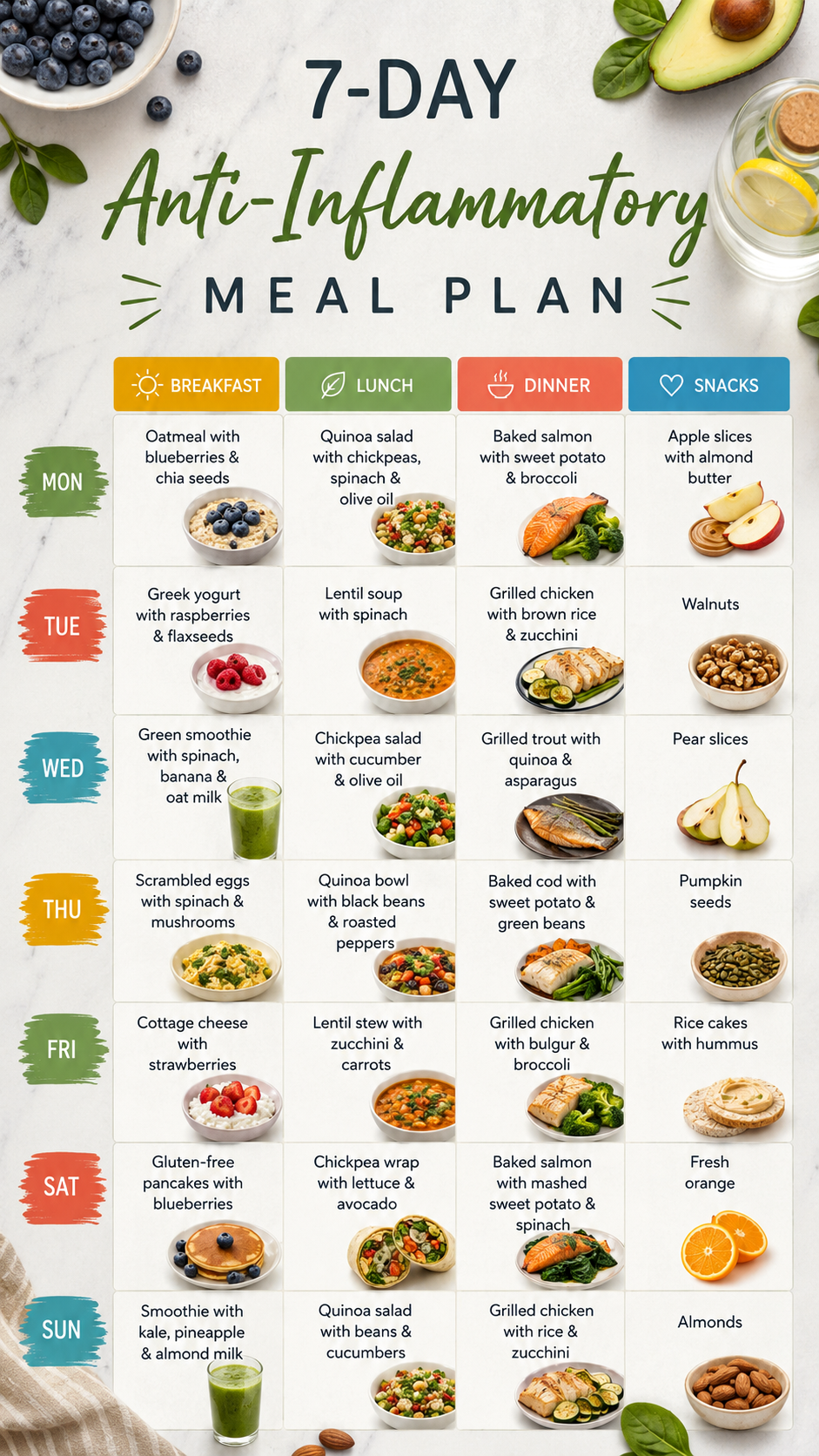
7-Day Anti-Inflammatory Meal Plan Healthy Recipes for Clean Eating
Eating well does not have to feel restrictive or complicated. A thoughtfully planned anti-inflammatory meal routine can help support energy levels, digestion, and overall wellness while still delivering delicious flavors and satisfying meals. From colorful berries and leafy greens to nutrient-rich salmon and hearty quinoa bowls, simple ingredients can come together to create balanced meals that feel both comforting and nourishing.
The beauty of an anti-inflammatory meal plan lies in its simplicity. Instead of relying on processed foods or heavy meals, this style of eating focuses on whole ingredients packed with vitamins, minerals, healthy fats, and fiber. With the right combination of breakfasts, lunches, dinners, and snacks, it becomes easier to stay consistent with healthy habits throughout the week.
Key Takeaways
- Anti-inflammatory meals focus on whole, nutrient-rich foods.
- Healthy fats, lean proteins, and fiber support balanced eating.
- Simple meal prep makes healthy eating easier during busy weeks.
- Fresh fruits, vegetables, legumes, and grains create satisfying meals.
- Balanced snacks help maintain steady energy throughout the day.
What Is an Anti-Inflammatory Meal Plan?
An anti-inflammatory meal plan centers around foods known for their nutritional benefits and naturally supportive properties. Instead of focusing on strict dieting, it encourages healthier everyday choices that may help reduce inflammation linked to poor eating habits and processed foods.
Common staples include fatty fish like salmon and trout, leafy greens, berries, olive oil, nuts, seeds, legumes, and whole grains. These ingredients provide antioxidants, omega-3 fatty acids, fiber, and essential nutrients that contribute to a more balanced lifestyle.
Important: Consistency matters more than perfection. Small daily improvements like replacing processed snacks with nuts or fruit can make healthy eating easier to maintain long term.
Building Balanced Healthy Meals
A balanced meal combines quality protein, healthy fats, fiber-rich carbohydrates, and colorful vegetables. This combination helps create meals that are filling, energizing, and nutritionally complete.
Protein Sources That Support Wellness
Lean proteins are an essential part of anti-inflammatory eating. Grilled chicken, baked salmon, trout, lentils, chickpeas, black beans, eggs, and Greek yogurt all provide valuable nutrients while helping meals feel satisfying.
Fatty fish like salmon stand out because they contain omega-3 fatty acids, which are widely associated with heart health and overall wellness. Plant-based proteins such as lentils and chickpeas also contribute fiber and minerals that support digestive health.
Healthy Carbohydrates for Lasting Energy
Whole grains and starchy vegetables play an important role in balanced eating. Quinoa, bulgur, brown rice, sweet potatoes, and oats provide complex carbohydrates that help sustain energy levels throughout the day.
Unlike heavily processed carbohydrates, whole grains contain fiber and nutrients that support satiety and digestion. Pairing them with proteins and vegetables creates meals that feel both hearty and nourishing.
Simple Whole Grain Ideas
- Quinoa bowls with vegetables and beans
- Brown rice paired with grilled chicken
- Oatmeal topped with berries and chia seeds
- Bulgur served alongside roasted vegetables
Healthy Breakfast Ideas to Start the Day
Breakfast sets the tone for the day, and nutrient-rich morning meals can help encourage better food choices later on. Anti-inflammatory breakfasts often focus on fiber, protein, and natural ingredients instead of sugary cereals or processed pastries.
Berry Oatmeal and Smoothies
Oatmeal topped with blueberries and chia seeds is a simple but effective breakfast option. The oats provide fiber, while berries offer antioxidants and natural sweetness. Chia seeds add texture along with healthy fats.
Smoothies made with spinach, kale, bananas, almond milk, or oat milk create another convenient option for busy mornings. They are easy to customize and can include nutrient-rich ingredients without requiring much preparation.
Why This Matters
Starting the day with fiber-rich meals may help reduce cravings later in the day while supporting steady energy and improved focus.
Protein-Packed Breakfast Choices
Eggs with spinach and mushrooms or Greek yogurt topped with berries and flaxseeds offer protein-rich options that feel satisfying without being overly heavy.
Pro Tip: Preparing overnight oats or smoothie ingredients ahead of time can make healthy mornings faster and less stressful during busy weekdays.
Nutritious Lunches for Midday Energy
Lunch should feel satisfying enough to keep energy levels steady through the afternoon. Meals centered around legumes, vegetables, grains, and lean proteins are ideal for maintaining balance without feeling sluggish.
Quinoa and Chickpea Salads
Quinoa salads loaded with spinach, cucumbers, beans, chickpeas, or avocado create flavorful meals packed with fiber and plant-based nutrients. Olive oil adds healthy fats while helping ingredients taste fresh and satisfying.
These salads also work well for meal prep because they can be stored in the refrigerator and enjoyed throughout the week.
Comforting Soups and Stews
Lentil soup with spinach or lentil stew with zucchini and carrots provides warmth, comfort, and lasting fullness. Lentils are affordable, versatile, and rich in protein and fiber, making them an excellent addition to healthy meal plans.
Easy Lunch Additions
- Fresh cucumber slices
- Roasted vegetables
- Leafy greens with olive oil dressing
- Whole grain wraps with avocado
Healthy Dinner Ideas for a Balanced Evening
Dinner meals in an anti-inflammatory plan often focus on lean proteins paired with vegetables and wholesome carbohydrates. These combinations create satisfying meals that feel nourishing without being overly heavy.
Salmon, Trout, and Lean Proteins
Baked salmon with sweet potatoes and broccoli is a classic healthy dinner combination. It balances protein, healthy fats, and fiber-rich vegetables in a simple yet flavorful way.
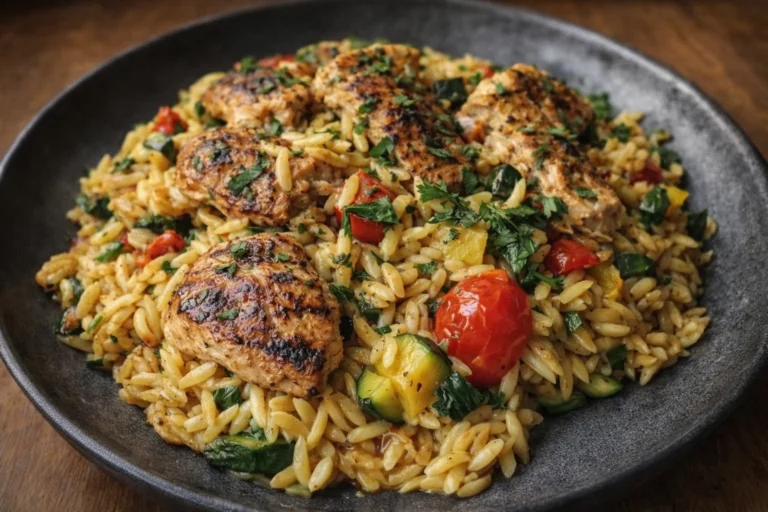
Grilled trout with quinoa and asparagus or grilled chicken with rice and zucchini are equally versatile choices that work well for weeknight meals.
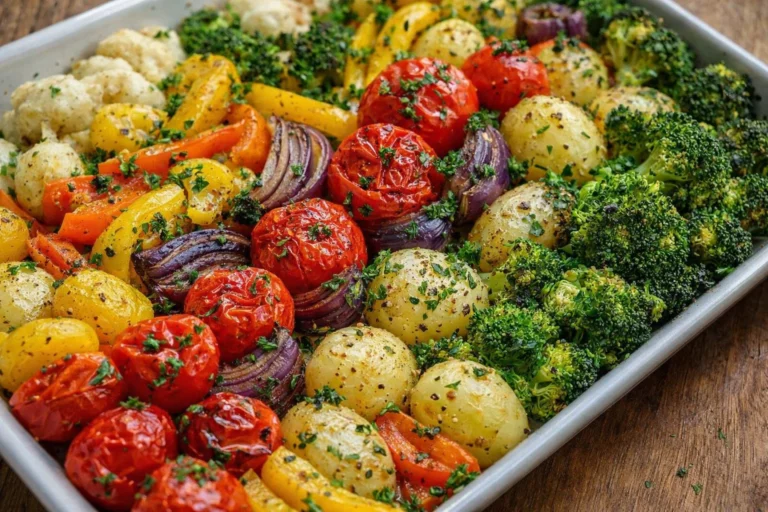
Important: Roasting vegetables with olive oil and simple seasonings can dramatically improve flavor while keeping meals healthy and easy to prepare.
Vegetables That Add Color and Nutrition
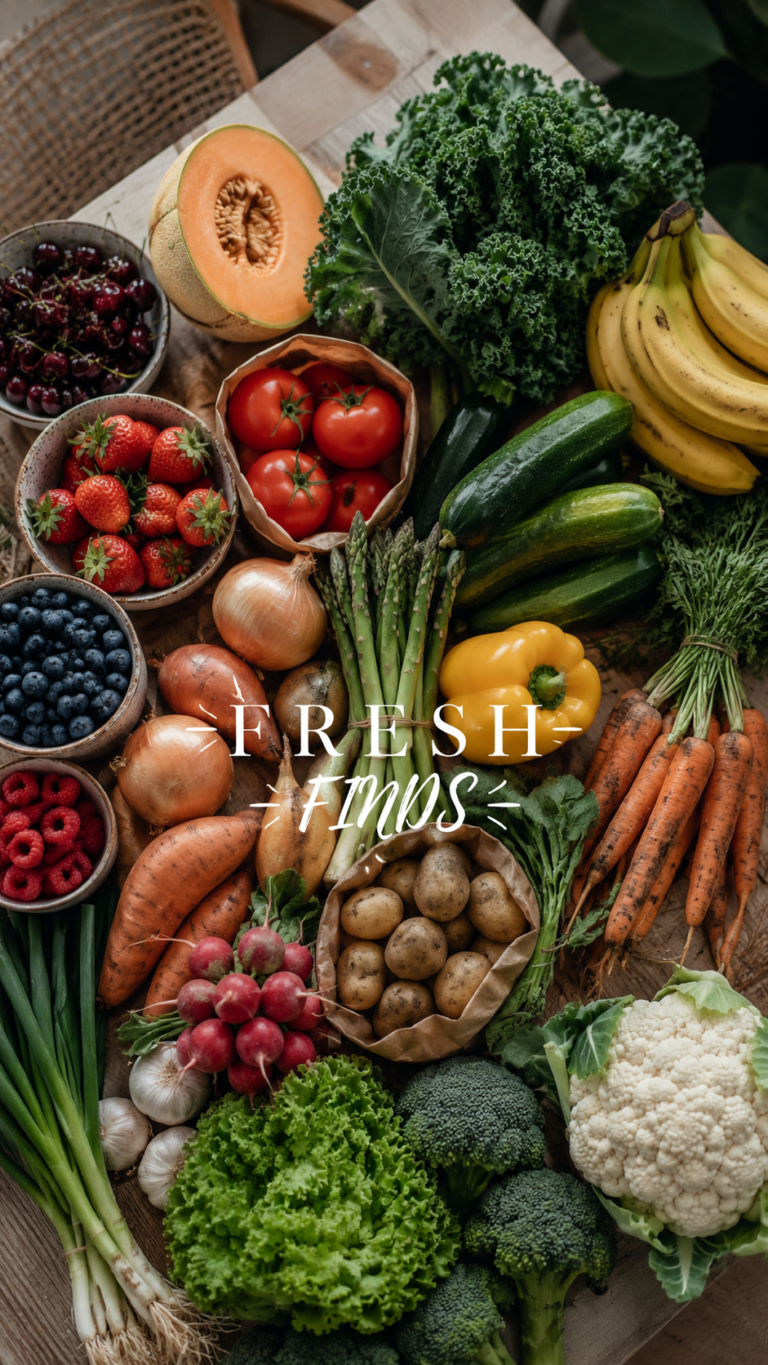
Broccoli, asparagus, zucchini, spinach, green beans, and roasted peppers all contribute important vitamins and minerals. Including a variety of colorful vegetables helps create meals that are visually appealing and nutritionally diverse.
Cooking methods also matter. Grilling, roasting, steaming, and baking preserve flavor while avoiding unnecessary oils or heavy sauces.
Smart Snack Choices Between Meals
Healthy snacks help prevent energy crashes and excessive hunger later in the day. Nutrient-rich snacks also make it easier to maintain balanced eating habits consistently.
Fruit and Nut Pairings
Apple slices with almond butter, pear slices, fresh oranges, walnuts, almonds, and pumpkin seeds all provide satisfying snack options packed with nutrients and healthy fats.
Combining fruit with protein or healthy fats may help support fullness while adding natural sweetness to the day.
Simple Snack Prep Tips
- Pre-portion nuts into small containers
- Wash and slice fruit in advance
- Keep hummus ready for quick snacks
- Store healthy snacks at eye level in the refrigerator
How Meal Prep Supports Healthy Eating
Meal prep can make healthy eating significantly easier during busy weeks. Preparing ingredients ahead of time reduces the temptation to rely on fast food or heavily processed meals.
Cooking grains in batches, roasting vegetables, washing greens, and portioning snacks are simple strategies that save time while keeping nutritious options readily available.
Pro Tip: Choose two proteins, two grains, and several vegetables at the start of the week to create flexible meals without spending hours in the kitchen every day.
Quick Points
- Whole foods create more balanced meals.
- Lean proteins and healthy fats support fullness.
- Meal prep helps maintain healthy habits.
- Colorful vegetables improve nutrition variety.
- Healthy snacks can reduce unnecessary cravings.
Conclusion
An anti-inflammatory meal plan offers a realistic and enjoyable approach to healthy eating. By focusing on wholesome ingredients like vegetables, fruits, whole grains, legumes, lean proteins, nuts, and healthy fats, it becomes easier to create meals that support both flavor and wellness.
Healthy eating does not require perfection or complicated recipes. Simple combinations like oatmeal with berries, quinoa salads, grilled salmon, lentil soups, and fresh fruit snacks can make a meaningful difference in everyday routines. With a little planning and consistency, nutritious meals can become an easy and satisfying part of daily life.
Tags
Healthy Recipes Anti-Inflammatory Meals Meal Prep Ideas Clean Eating Healthy Lifestyle Balanced Diet Easy Healthy Meals Wellness Nutrition