Classic Vanilla Sugar Cookies :
Introduction to Classic Vanilla Sugar Cookies
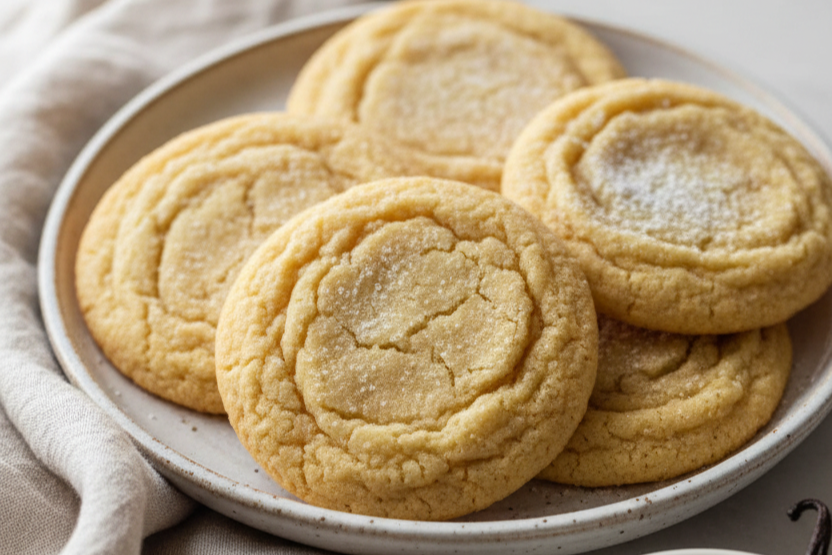
Classic Vanilla Sugar Cookies welcomes home cooks and baking lovers with a timeless taste and reassuring simplicity. Classic Vanilla Sugar Cookies deliver the familiar vanilla aroma and tender crumb that suit busy parents, students, diet-conscious individuals, and anyone who craves a dependable sweet treat. From a quick afternoon bake to holiday cookie platters, these cookies blend perfectly with tea, coffee, or lunchboxes, and they adapt well to vegan, gluten-free, or low-calorie swaps for broader dietary needs.
Early on, this Classic Vanilla Sugar Cookies recipe emphasizes straightforward ingredients and clear steps, so even beginners and newlyweds can succeed. Moreover, the recipe scales easily for parties, travel snacks, or a calm baking session for seniors and working professionals. For health-focused bakers, I include options that lower sugar or replace dairy and wheat while maintaining great texture and taste. Also, flavor variations and decorative ideas allow food enthusiasts and travelers to personalize the cookie profile based on seasonal spices or regional extracts.
In short, Classic Vanilla Sugar Cookies offer a dependable, versatile foundation. Therefore, whether you bake for comfort, celebration, or mindful eating, the recipe that follows will guide you through a satisfying and manageable process. Next, explore the advantages and practical benefits that make these vanilla sugar cookies a staple in home baking.
Benefits and Advantages of Classic Vanilla Sugar Cookies
Classic Vanilla Sugar Cookies stand out because they combine ease, versatility, and gentle nutrition-friendly options into one reliable recipe. First, these cookies use pantry staples and require minimal equipment, so busy parents and students can prepare them between commitments. Because the dough comes together quickly, you save time, and you can chill or bake immediately depending on your schedule. For working professionals and travelers, that flexibility makes Classic Vanilla Sugar Cookies a pragmatic choice for last-minute gatherings or portable snacks.
Additionally, this vanilla sugar cookie recipe adapts cleanly to dietary needs. For example, swap regular butter for a plant-based margarine to make a vegan batch without losing buttery flavor. Alternatively, choose a gluten-free flour blend to create gluten-free sugar cookies that stay tender and flavorful. Therefore, diet-conscious bakers will appreciate how easily this recipe becomes low-calorie or reduced-sugar with modest ingredient adjustments. Also, these cookies pair well with nutrient-dense toppings like nut butter or yogurt-based glazes when you want added protein or calcium.
Beyond ingredient flexibility, Classic Vanilla Sugar Cookies perform reliably in texture and flavor. The balance of vanilla, sugar, and fat produces a tender yet slightly chewy edge that appeals to a wide audience, including seniors and children. Also, the subtle vanilla base invites creativity: decorate for holidays, infuse lemon or almond extract for variation, or use whole-grain flours for added fiber. Thus, these vanilla sugar cookies both meet everyday needs and support special dietary requests, making them an essential recipe for home bakers and food enthusiasts alike.
Ingredients Overview
Essential Ingredients for Classic Vanilla Sugar Cookies
- 2 3/4 cups all-purpose flour (U.S. standard) — provides structure and a tender crumb.
- 1 teaspoon baking powder (U.S. standard) — helps cookies rise slightly and keeps them light.
- 1/2 teaspoon baking soda — aids in slight lift and texture balance.
- 1/2 teaspoon fine sea salt — enhances flavor and balances sweetness.
- 1 cup (2 sticks) unsalted butter, softened (U.S. standard) — delivers richness and a buttery mouthfeel; for vegan option, use 1 cup plant-based butter block, softened.
- 1 1/4 cups granulated sugar — sweetens and contributes to light spreading and crisp edges.
- 1 large egg (U.S. standard), room temperature — binds ingredients and adds moisture; for egg-free, use 1/4 cup applesauce or a flax egg (1 tablespoon ground flax + 3 tablespoons water).
- 2 teaspoons pure vanilla extract — the signature flavor for Classic Vanilla Sugar Cookies; for variation, try vanilla bean paste or scraped vanilla bean.
- 2 tablespoons milk, plus more if needed (U.S. standard) — adjusts dough consistency; use almond milk or soy milk for vegan adaptation.
- Optional: 1/2 teaspoon cream of tartar for slightly chewier texture.
Essential ingredients give the Classic Vanilla Sugar Cookies their classic profile: soft center, gentle chew, and clear vanilla flavor. Also, the small amounts of leavening ensure cookies retain shape while staying tender.
Dietary Substitutions to Customize Your Classic Vanilla Sugar Cookies
- Vegan: Replace butter with an equal amount of plant-based butter, swap the egg with a flax egg or 1/4 cup applesauce, and use non-dairy milk. Also, confirm that your sugar is vegan if that matters.
- Gluten-free: Use 1:1 gluten-free all-purpose flour blend (U.S. standard) that contains xanthan gum, or add 1/2 teaspoon xanthan gum if your blend lacks it. Note that texture may vary slightly; chilling dough longer helps.
- Low-sugar: Substitute half the granulated sugar with a granular monk fruit or erythritol blend designed for baking; reduce total sugar by up to 25% without losing structure. Keep in mind that some sugar alternatives brown differently.
- Lower-calorie: Use a light butter blend or half butter and half unsweetened applesauce for part of the fat, and choose a low-calorie sugar alternative. Also, reduce portion size for fewer calories per cookie.
- Egg-free: Use a flax egg (1 tbsp ground flax + 3 tbsp water, set 5 minutes) or commercial egg replacer. These substitutions will make Classic Vanilla Sugar Cookies slightly denser but still tasty.
- Dairy-free: Choose a vegan butter or vegetable shortening and plant-based milk. Also, omit cream if any recipe variation calls for it.
These substitution ideas help a wide range of cooks—diet-conscious bakers, families with allergies, and those exploring plant-based diets—enjoy Classic Vanilla Sugar Cookies without sacrificing flavor.
How to Prepare the Perfect Classic Vanilla Sugar Cookies : Step-by-Step Guide
First Step: Preheat and prepare. Preheat the oven to 350°F (U.S. standard). Line two baking sheets with parchment paper or silicone mats to prevent sticking and ensure even browning. Meanwhile, allow the butter and egg to come to room temperature; this helps with smooth creaming. For gluten-free or vegan adaptations, confirm substitutions are ready and chilled if needed.
Second Step: Combine dry ingredients. In a medium bowl, whisk together 2 3/4 cups all-purpose flour, 1 teaspoon baking powder, 1/2 teaspoon baking soda, and 1/2 teaspoon fine sea salt. Set the mixture aside. If you make gluten-free Classic Vanilla Sugar Cookies, use your 1:1 gluten-free blend and add 1/2 teaspoon xanthan gum if needed.
Third Step: Cream butter and sugar. In a large bowl, beat 1 cup softened unsalted butter and 1 1/4 cups granulated sugar together on medium speed until light and fluffy, about 2 to 3 minutes. Scrape the bowl often to ensure even mixing. For vegan Classic Vanilla Sugar Cookies, beat plant-based butter and sugar the same way. This creaming step traps air and gives cookies lift.
Fourth Step: Add egg and vanilla. Add 1 large room-temperature egg and 2 teaspoons pure vanilla extract to the creamed butter and sugar. Beat until well combined. If you use a flax egg for vegan cookies, add it now after it gels. Also, for almond-flavored variations, substitute 1 teaspoon almond extract for half the vanilla.
Fifth Step: Blend dry and wet ingredients. Gradually add the dry flour mixture to the wet mixture in two or three additions, mixing on low speed just until combined. Add 2 tablespoons milk if the dough feels too stiff; add more by teaspoonfuls only as needed. For Classic Vanilla Sugar Cookies intended for cookie cutters, you want a moldable dough—not too sticky, not too dry.
Sixth Step: Chill the dough. Divide the dough in half, shape each into a disc, wrap in plastic wrap, and chill for at least 30 minutes or up to 2 hours. Chilling helps the dough firm and prevents excessive spreading in the oven. For quicker baking, refrigerate 15 to 20 minutes; to make slicing easier for slice-and-bake shapes, chill longer. For allergy or vegan swaps, chilling still improves texture.
Seventh Step: Roll or shape dough. Lightly flour a clean surface and roll chilled dough to 1/4-inch thickness for tender cookies. For thicker cookies, roll to 3/8 inch. If you prefer drop cookies, skip rolling; drop rounded tablespoons onto prepared baking sheets and flatten slightly with the back of a spoon. Also, if you want sugar-dusted tops, dip cookie edges in granulated sugar before baking.
Eighth Step: Cut or scoop cookies. Use cookie cutters for shapes, re-rolling scraps once. Place cookies 1 to 2 inches apart on the baking sheet. For Classic Vanilla Sugar Cookies decorated later, place on parchment and allow full cooling before adding icing. For soft-centered cookies, keep thickness around 1/4 inch.
Ninth Step: Bake. Bake cookies at 350°F for 8 to 12 minutes, depending on size and thickness. Small rounds may need only 8 minutes, while large cutouts can require up to 12 minutes. Bake until edges are set and just beginning to turn light golden; centers should remain pale. For vegan or gluten-free adaptations, oven time may vary slightly—check early and adjust as needed.
Tenth Step: Cool and finish. Remove cookies from the oven and allow them to rest on the baking sheet for 2 minutes, then transfer to a wire rack to cool completely. For decorated Classic Vanilla Sugar Cookies, once fully cool, ice using royal icing, vanilla glaze, or softened cream cheese icing. Also, store cooled cookies as described in the storage section.
Eleventh Step: Decorating tips. When planning to decorate, use thinner dough for cookie cutters to ensure royal icing dries evenly. Chill shaped cookies 10 minutes on the baking sheet before baking to maintain crisp edges. For simple elegance, dust with powdered sugar or drizzle a light vanilla glaze. For kids or parties, use colorful sprinkles or piped buttercream borders for added texture.
Twelfth Step: Adaptations during preparation. For lower-sugar Classic Vanilla Sugar Cookies, reduce sugar by up to 25 percent and increase vanilla slightly to maintain flavor. For higher protein or fiber, replace 1/4 cup of flour with almond meal or oat flour; note that this changes texture and may require an extra tablespoon of milk. When making gluten-free cookies, chill dough longer and avoid overmixing to preserve tenderness.
Thirteenth Step: Serving and pairing. Serve warm or at room temperature with milk, coffee, or tea. For travel-friendly options, layer parchment between cookies in an airtight container to keep them from sticking. Also, for a festive touch, sandwich two cookies with vanilla buttercream or chocolate ganache for a decadent treat.
Fourteenth Step: Scaling and timing. To double the recipe, mix in a large bowl and divide dough before chilling to ensure even cooling. For last-minute needs, shape the dough into a log, freeze for 15 minutes, and slice-and-bake—this method produces evenly shaped Classic Vanilla Sugar Cookies even when time is tight.
Fifteenth Step: Baking for events. For parties or gifting, make several batches and store cookies in airtight containers with a slice of bread to maintain softness for up to three days. If you plan to ship cookies, choose sturdier shapes and include padding to prevent breakage during transit.
By following these actionable steps, bakers of all levels can create Classic Vanilla Sugar Cookies that deliver consistent taste and texture. Also, each step contains adaptable options so you can tailor the recipe for dietary needs and personal preference.
Mastering Classic Vanilla Sugar Cookies : Advanced Tips and Variations
To master Classic Vanilla Sugar Cookies, consider these professional techniques and creative variations that elevate texture, flavor, and presentation. First, for ultra-tender cookies, swap 2 to 3 tablespoons of all-purpose flour for cornstarch. Cornstarch softens the protein network and yields a melt-in-your-mouth crumb. Conversely, if you prefer a chewier cookie, add 1 tablespoon of light brown sugar to increase moisture retention and chewiness.
Second, control spread by managing butter temperature and dough moisture. Use room-temperature butter that still holds shape. If butter is too soft, chill the dough longer to avoid excessive spreading. Also, use parchment or silicone mats to encourage even browning. For professional edges on cutouts, chill shaped cookies 10 to 15 minutes before baking; this helps maintain crisp silhouettes.
Third, for intensified vanilla flavor, use a mix of pure vanilla extract and vanilla bean paste or seeds from a whole vanilla pod. Additionally, try crossing flavors—add 1 teaspoon finely grated lemon zest for a bright lift, or include 1/2 teaspoon ground cardamom for an aromatic twist. These small additions complement the vanilla base without overpowering the classic profile.
Fourth, experiment with texture variations. Press coarse sugar or sanding sugar on cookie tops before baking for a sparkling crunch. Alternatively, create sandwich cookies by spreading a thin layer of flavored buttercream, chocolate ganache, or fruit preserves between two baked cookies. For a festive option, dip half the cookie in dark chocolate and sprinkle crushed nuts or sea salt.
Fifth, adapt to dietary needs while keeping quality high. For gluten-free Classic Vanilla Sugar Cookies, use a blend with xanthan gum and chill dough longer; this reduces crumbling and produces cleaner cutouts. For vegan cookies, use aquafaba whipped slightly to mimic egg whites for lightness, or combine cornstarch and plant milk to tweak binding.
Sixth, decorative techniques for bakers: outline cookies with a stiff royal icing and flood with a thinner consistency for smooth surfaces. Pipe borders with a star tip for texture. For intact shapes in stacking or shipping, bake slightly thicker at the same temperature to avoid breakage.
Seventh, storage-aware variations: if you need cookies to stay soft, include a slice of apple or a piece of bread in the container to retain moisture. On the other hand, for long-term crispness, avoid adding damp fillings and keep cookies in layered parchment.
Finally, for aroma-rich variations, infuse your butter with citrus peels or spices by warming briefly and then cooling before creaming. Similarly, add finely chopped toasted nuts for crunch or fold in mini chocolate chips for a more indulgent version of Classic Vanilla Sugar Cookies. These advanced techniques and variations allow bakers to tailor outcomes for occasions, dietary needs, and personal tastes.
How to Store Classic Vanilla Sugar Cookies : Best Practices
Proper storage keeps Classic Vanilla Sugar Cookies fresh and enjoyable for days or even months. First, for short-term storage at room temperature, place cooled cookies in an airtight container. Layer cookies with parchment or wax paper to prevent sticking. Also, store in a cool, dry place away from direct sunlight; this helps maintain texture and flavor. Room-temperature stored cookies typically remain fresh for up to five days, depending on thickness and added fillings.
Second, for refrigeration, use airtight containers and place a paper towel at the bottom to absorb excess moisture. Refrigerating Classic Vanilla Sugar Cookies can lengthen freshness for up to two weeks, especially for cookies with cream-based fillings. However, remember that refrigeration can slightly firm the texture; allow cookies to return to room temperature before serving for optimal flavor.
Third, for freezing, wrap cooled cookies individually in plastic wrap and place them in a freezer-safe bag or container. For cutout dough, freeze the shaped and chilled dough on a tray until firm, then transfer to a sealed bag for easy slice-and-bake preparation. Frozen baked cookies maintain good quality for up to three months. Thaw overnight in the refrigerator or at room temperature for several hours before serving.
Fourth, reheating methods: warm cookies briefly in a 300°F oven for 3 to 5 minutes to refresh a slightly stale texture, or microwave a single cookie for 8 to 10 seconds for quick softness; check frequently to avoid over-softening. For cookies sandwiching soft fillings, skip reheating to prevent fillings from melting.
Fifth, shipping tips: for gifting or travel, layer cookies between sturdy cardboard inserts and use airtight packaging. Also, choose sturdier shapes and slightly thicker cookies to reduce breakage. For long trips, include desiccant packs for cookies intended to remain crisp; for soft cookies, include a small piece of bread to preserve moisture.
By using these storage techniques, you ensure Classic Vanilla Sugar Cookies remain enjoyable while accommodating planning needs for events, gifting, or meal prep.
Nutritional Value of Classic Vanilla Sugar Cookies
Below is a typical nutrition estimate per 1 medium cookie (based on a recipe that yields 36 cookies). Values depend on ingredient choices and portion sizes. For vegan or gluten-free substitutions, the values will differ; use a nutrition calculator for exact numbers if you need precise data.
| Nutrient | Amount per cookie |
|---|---|
| Calories | 120 kcal |
| Total Fat | 6.5 g |
| Saturated Fat | 3.8 g |
| Trans Fat | 0.0 g |
| Cholesterol | 20 mg |
| Sodium | 55 mg |
| Total Carbohydrates | 14.5 g |
| Dietary Fiber | 0.3 g |
| Total Sugars | 7.8 g |
| Added Sugars | 7.6 g |
| Protein | 1.4 g |
| Vitamin D | 0.5 mcg |
| Calcium | 14 mg |
| Iron | 0.4 mg |
| Potassium | 25 mg |
These nutrition numbers reflect a classic profile: modest calories per cookie and a balance of fat and carbohydrates. For diet-conscious bakers, consider these adjustments: swap part of the butter for applesauce or a light butter blend to reduce total fat and saturated fat. Also, replace part of the granulated sugar with a low-calorie sweetener formulated for baking to lower calories and added sugars. For increased protein, add a tablespoon of whey or plant-based protein powder and reduce flour by two tablespoons; note that texture will change.
For gluten-free Classic Vanilla Sugar Cookies, replace all-purpose flour with a well-balanced gluten-free blend. This swap may change carbohydrate content slightly and could reduce fiber; add 1 to 2 tablespoons of oat flour or almond meal to increase fiber and micronutrient content. To lower sodium, omit added salt or use a reduced-sodium substitute; however, a small amount of salt does enhance overall flavor.
Understanding these nutrition facts helps families, seniors, and health-focused individuals make informed choices while enjoying Classic Vanilla Sugar Cookies.
FAQs: Frequently Asked Questions About Classic Vanilla Sugar Cookies
Q: Can I make the Classic Vanilla Sugar Cookies ahead of time?
A: Yes. You can prepare the dough and refrigerate for up to 48 hours, or freeze the dough for up to three months. For baked cookies, store at room temperature for up to five days or freeze for up to three months. Also, label your containers with dates to track freshness.
Q: How do I keep Classic Vanilla Sugar Cookies soft?
A: To maintain softness, slightly underbake by 1 to 2 minutes so centers stay tender. Store cookies in an airtight container with a slice of bread or a slightly dampened paper towel to preserve moisture. Additionally, avoid high oven temperatures that crisp cookies too much during baking.
Q: How do I prevent Classic Vanilla Sugar Cookies from spreading too much?
A: Chill dough thoroughly before baking and bake on a cool baking sheet. Also, measure butter accurately and avoid over-softened butter. If your kitchen is warm, chill dough longer or refrigerate shaped cookies for 10 to 15 minutes before baking.
Q: Can I freeze unbaked Classic Vanilla Sugar Cookies?
A: Yes. Shape dough into discs or freeze cut shapes on a tray until firm, then transfer to an airtight bag. When ready to bake, either thaw in the refrigerator for an hour or bake from frozen—add 1 to 2 minutes to the baking time.
Q: What are good decorating ideas for Classic Vanilla Sugar Cookies?
A: Use royal icing for crisp designs, thin glaze for gentle shine, or buttercream for textured borders. For quick spruce-ups, dip in melted chocolate, sprinkle sanding sugar before baking, or sandwich two cookies with jam or ganache.
Q: How do I make these cookies vegan and still flavorful?
A: Replace butter with plant-based butter, swap the egg for a flax egg or applesauce, and use plant milk. Increase the vanilla slightly and consider adding a tablespoon of applesauce to preserve moisture. Taste the dough before chilling to ensure the flavor meets expectations.
Q: Can I make Classic Vanilla Sugar Cookies gluten-free without losing shape?
A: Choose a high-quality 1:1 gluten-free flour blend with xanthan gum, or add 1/2 teaspoon xanthan gum if absent. Chill dough longer before cutting, and avoid overworking it. Bake a test cookie to check spread and adjust flour amounts by tablespoon increments if needed.
Q: How do I scale the recipe for large batches?
A: Multiply ingredient quantities and mix in larger bowls or a stand mixer. Divide dough into smaller portions before chilling to speed cooling and ensure consistent texture. Also, bake on multiple sheets, rotating trays halfway through if your oven bakes hot spots.
Q: Why did my Classic Vanilla Sugar Cookies become tough?
A: Overmixing after adding flour develops gluten and causes toughness. Additionally, too much flour or overbaking will dry cookies out. Ensure correct measurements and mix just until incorporated.
Q: How can I lower calories in Classic Vanilla Sugar Cookies without sacrificing flavor?
A: Use half butter and half unsweetened applesauce, choose a lower-calorie sugar substitute designed for baking, and reduce cookie size slightly. Also, use flavorful extracts like vanilla bean paste to enhance perceived sweetness.
These FAQs address common concerns and provide clear, practical solutions for bakers adapting the Classic Vanilla Sugar Cookies recipe to their needs.
Enjoy baking, customizing, and sharing these Classic Vanilla Sugar Cookies. Whether you make a single batch for an afternoon treat or scale up for parties and gifts, this accessible recipe offers flexibility, flavor, and reliability for bakers of all levels.