Swedish Meatballs :
Introduction to Swedish Meatballs
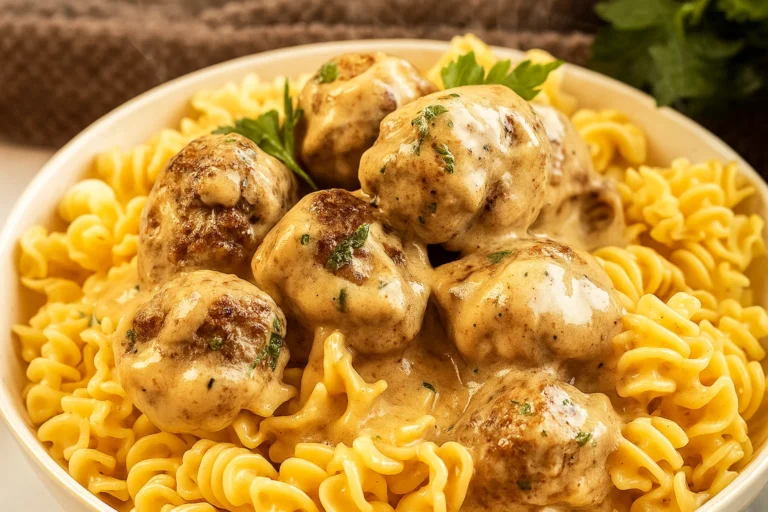
Swedish Meatballs offer a comfort-food classic that lifts weeknight dinners and special gatherings alike. Right away, Swedish Meatballs deliver rich, savory flavors and a creamy sauce that pleases picky eaters and adventurous foodies. In the first 100 words I want to emphasize Swedish Meatballs as a simple, adaptable dish that fits many diets. Moreover, this recipe balances tradition with modern variations, so you can prepare a classic version or swap ingredients for vegan, gluten-free, or lower-calorie options. For busy parents and working professionals, Swedish Meatballs streamline dinner with straightforward steps and pantry-friendly ingredients, while students and newlyweds will find the technique approachable and budget-friendly.
Furthermore, Swedish Meatballs suit seniors and diet-conscious individuals because you can control fat, salt, and portion sizes easily. Also, travelers and food enthusiasts will appreciate the aromatic spices and cultural history behind the dish, while baking enthusiasts can practice shaping and browning techniques. Whether you serve Swedish Meatballs over egg noodles, mashed potatoes, or zoodles, the dish remains hearty and satisfying. In addition, the recipe that follows includes clear substitutions and make-ahead tips so you can adapt it for vegan, gluten-free, or low-calorie needs without sacrificing flavor. Try Swedish Meatballs tonight and enjoy how this timeless recipe brings warmth to any table.
Benefits and Advantages of Swedish Meatballs
Swedish Meatballs shine because they combine comforting textures with efficient preparation. First, you can make a large batch and freeze portions for quick meals later, which saves time and reduces food waste. Also, the recipe uses common ingredients, so you likely have much of what you need in your pantry. For busy households, Swedish Meatballs provide a fast route to a balanced meal because they include protein, optional vegetables, and a luscious sauce that pairs well with grains or greens.
Moreover, Swedish Meatballs adapt easily to dietary needs. For example, substitute lean ground turkey or chicken to lower saturated fat, or choose plant-based ground “meat” to create a vegan take that keeps the savory profile intact. In addition, gluten-free breadcrumbs or oat flour can replace regular breadcrumbs to accommodate gluten-free diets. Therefore, the dish supports health-focused eating while still delivering comfort.
From a nutrition perspective, Swedish Meatballs can provide a solid serving of protein and essential nutrients when made with quality ingredients. Meanwhile, the creamy sauce can be lightened with low-fat dairy or dairy-free alternatives to reduce calories and saturated fat. Also, herbs and spices enhance flavor without adding sodium, so you can season mindfully for heart-healthy eating.
Finally, Swedish Meatballs stand out for their social versatility. Serve them as a main course, as a buffet option at gatherings, or as a protein-packed topping for salads and bowls. Moreover, the technique for mixing, shaping, and browning meatballs builds cooking confidence for novice cooks and seasoned chefs alike. In sum, Swedish Meatballs combine practicality, nutrition, and flavor, making them an excellent choice for a wide audience.
Ingredients Overview
Essential Ingredients for Swedish Meatballs
- 1 pound ground beef (85% lean) – provides rich flavor and firm texture; swap with turkey for leaner meat
- 1/2 pound ground pork – adds juiciness and depth; optional for lower-fat versions
- 1 cup plain breadcrumbs (use gluten-free breadcrumbs if needed) – binds and keeps meatballs tender
- 1/2 cup whole milk – hydrates breadcrumbs and adds moisture; use unsweetened almond milk for dairy-free versions
- 1 large egg – helps bind the mixture; for vegan option, use 1/4 cup aquafaba or a commercial egg replacer
- 1/4 cup finely chopped onion – provides aromatic sweetness; shallots work well, too
- 2 cloves garlic, minced – enhances savory profile
- 1/2 teaspoon ground allspice – traditional Swedish spice that brightens flavor
- 1/2 teaspoon ground nutmeg – warm spice for depth
- 1 teaspoon salt – adjust to taste
- 1/2 teaspoon black pepper – ground fresh for best flavor
- 2 tablespoons unsalted butter – for browning and sauce richness; use vegan butter for dairy-free
- 2 tablespoons olive oil – prevents butter from burning during searing
- 3 tablespoons all-purpose flour (or gluten-free flour) – thickens the gravy
- 2 cups beef broth (or vegetable broth for vegan/vegetarian versions) – builds the sauce base
- 1 cup heavy cream – creates classic creamy sauce; substitute full-fat coconut milk or soy creamer for dairy-free
- 1 tablespoon Worcestershire sauce – boosts umami; use gluten-free and vegan Worcestershire if needed
- 1 teaspoon Dijon mustard – adds tang
- 2 teaspoons fresh chopped parsley – garnish and freshness
- Cooked egg noodles, mashed potatoes, or rice, to serve – choose gluten-free pasta where required
Notes: For low-calorie and heart-conscious swaps, use lean ground turkey, low-fat milk, and reduce butter to 1 tablespoon. For vegan Swedish Meatballs, use plant-based ground meat, aquafaba or flax egg, vegan butter, and coconut or soy cream.
Dietary Substitutions to Customize Your Swedish Meatballs
If you need gluten-free Swedish Meatballs, replace breadcrumbs with 1 cup of gluten-free panko or finely ground oats (certified gluten-free). Swap all-purpose flour in the gravy with a 1:1 gluten-free flour blend or use cornstarch slurry (1 tablespoon cornstarch + 1 tablespoon cold water) to thicken the sauce. For dairy-free adaptations, replace whole milk and heavy cream with unsweetened almond milk plus 2 tablespoons of cornstarch for thickness, or use full-fat coconut milk for a richer sauce. Use vegan butter to reproduce the buttery flavor during browning.
For a lower-calorie version, choose 1.5 pounds of lean ground turkey or a 100% plant-based mince with lower fat, and reduce butter to 1 tablespoon while using low-fat milk in the meatball mixture. To create high-protein Swedish Meatballs for fitness-focused readers, add 1/4 cup of plain Greek yogurt to the gravy to increase protein content and create tangy creaminess; meanwhile, use lean meats to keep fat lower.
If you follow a vegetarian or vegan diet, select a firm plant-based ground product that holds together well and add extra binder: use 1/4 cup aquafaba and 1/2 cup mashed cooked chickpeas along with 1 cup gluten-free breadcrumbs. Also, boost savory flavor with 1 teaspoon miso paste dissolved in the broth. For nut-free readers, avoid almond milk and choose soy or oat milk instead. Lastly, for sodium-sensitive diets, use low-sodium broth and reduce added salt, enhancing flavor with fresh herbs and lemon zest instead.
How to Prepare the Perfect Swedish Meatballs : Step-by-Step Guide
First Step: Prepare ingredients and equipment. Measure all ingredients, finely chop the onion, and mince the garlic. Meanwhile, preheat a large skillet over medium heat. If you plan to bake instead of pan-frying, preheat the oven to 400°F and line a baking sheet with parchment paper.
Second Step: Hydrate the breadcrumbs. In a medium bowl, combine 1 cup plain breadcrumbs with 1/2 cup whole milk or a dairy-free substitute. Let the mixture rest for 5 minutes so the crumbs absorb liquid and keep the meatballs tender. Also, break up any large clumps with a fork.
Third Step: Sauté aromatics. Heat 1 tablespoon of olive oil in a small pan. Add the finely chopped onion and sauté over medium heat until translucent, about 4 minutes. Then add 2 minced garlic cloves and cook 30 seconds until fragrant. Transfer the aromatics to the breadcrumb bowl and let cool slightly.
Fourth Step: Mix meatball base. In a large mixing bowl combine 1 pound ground beef and 1/2 pound ground pork. Add the soaked breadcrumbs, the sautéed onion and garlic, 1 large egg, 1/2 teaspoon ground nutmeg, 1/2 teaspoon ground allspice, 1 teaspoon salt, and 1/2 teaspoon black pepper. Use your hands to gently combine ingredients; avoid overmixing to keep the meatballs tender. For vegan or plant-based Swedish Meatballs, substitute plant-based ground meat, 1/4 cup aquafaba or flax egg (1 tablespoon ground flaxseed + 3 tablespoons water), and use the same seasonings.
Fifth Step: Shape the meatballs. Use a small ice cream scoop or a tablespoon to portion about 1.5 tablespoons (roughly 1-inch balls) of mixture. Roll gently between your palms to form smooth balls. Place formed meatballs on a parchment-lined tray. Meanwhile, keep your hands slightly wet to prevent sticking.
Sixth Step: Brown the meatballs. Heat a large skillet over medium-high heat and add 2 tablespoons olive oil and 2 tablespoons unsalted butter (or vegan butter). When shimmering, add meatballs in a single layer without crowding. Cook for 2-3 minutes per side until nicely browned. Turn carefully so each side sears evenly. For faster cooking, you can bake meatballs at 400°F for 12-15 minutes until cooked through, then brown them quickly in the skillet for color.
Seventh Step: Deglaze and prepare the sauce base. Remove browned meatballs to a plate. Lower heat to medium and add 3 tablespoons all-purpose flour to the skillet, stirring to combine with the butter and oil. Cook for 1 minute to remove raw flour taste, then slowly whisk in 2 cups beef or vegetable broth. Scrape up browned bits from the pan to add deep flavor. Next, add 1 tablespoon Worcestershire sauce and 1 teaspoon Dijon mustard.
Eighth Step: Finish the creamy gravy. Simmer the sauce for 3-4 minutes until it thickens slightly. Stir in 1 cup heavy cream or a non-dairy alternative and simmer gently until the gravy coats the back of a spoon. Taste and adjust seasoning with salt and freshly ground pepper. For a lighter sauce, use a blend of low-fat milk with 1 tablespoon cornstarch whisked in.
Ninth Step: Reintroduce the meatballs. Return the browned meatballs to the skillet and spoon sauce over them. Simmer for 5-8 minutes until meatballs are cooked through and the flavors meld. If using turkey or chicken, ensure internal temperature reaches 165°F; for beef and pork, aim for 160°F. For plant-based meatballs, cook until heated through and the exterior firms.
Tenth Step: Garnish and serve. Stir in 2 teaspoons chopped fresh parsley for brightness. Serve Swedish Meatballs hot over egg noodles, mashed potatoes, cauliflower mash, or gluten-free pasta as desired. Add a side of steamed green beans or a crisp salad for balance.
Eleventh Step: Adapt while cooking. If you need to make the recipe gluten-free, use gluten-free breadcrumbs and swap flour for cornstarch or a gluten-free flour blend when thickening the sauce. If you prefer less saturated fat, cook meatballs in the oven and reduce butter in the gravy, using olive oil instead. For vegan Swedish Meatballs, use plant-based protein, vegan dairy substitutes, and ensure the thickener is gluten-free if required.
Twelfth Step: Make-ahead and freezing. Cool meatballs completely after cooking before freezing. Place them on a tray until firm, then transfer to airtight freezer-safe containers. Freeze the sauce separately in freezer bags to preserve texture. Thaw in the refrigerator overnight and reheat gently on the stovetop or in a low oven.
Thirteenth Step: Reheating for best texture. Reheat Swedish Meatballs in the simmering sauce over low heat so they remain moist. If reheating from frozen, thaw in the refrigerator first, then reheat slowly to keep the cream from separating. You can also reheat in a covered baking dish at 325°F for 20-30 minutes until warmed through.
Fourteenth Step: Presentation tips. For an elegant touch, drizzle a little extra cream on top and sprinkle chopped fresh parsley or chives. Serve with a wedge of lemon on the side to brighten the rich sauce. For parties, use cocktail toothpicks and transfer to a warmed serving dish so the Swedish Meatballs stay inviting.
Mastering Swedish Meatballs : Advanced Tips and Variations
For reliably tender Swedish Meatballs, use a balance of meats. Combining beef and pork gives you flavor and juiciness, while adding a bit of fatty pork prevents dryness. In contrast, an all-turkey version will need extra moisture; therefore, add 2 tablespoons olive oil or 1/4 cup unsweetened applesauce to maintain tenderness. Also, keep your mixing gentle; overworking the meat compresses proteins and makes tough meatballs.
If you crave deeper flavor, brown the meatballs thoroughly and reserve pan fond – those browned bits create a rich base for the gravy. Meanwhile, deglaze with a splash of dry white wine or a tablespoon of balsamic vinegar before adding broth to lift flavors. For a spicy variation, stir in 1/4 teaspoon smoked paprika or a pinch of cayenne. For a fresher twist, add 1 tablespoon finely chopped dill to the meat mixture.
Try Swedish Meatballs with different serving styles. For a modern bowl, serve meatballs over quinoa and roasted vegetables with the creamy sauce on the side. For classic comfort, plate them with egg noodles and lingonberry jam on the side for contrasting sweetness. Additionally, make mini meatballs as appetizers and keep sauce in a slow cooker for parties.
To improve texture in gluten-free versions, pulse cooked rice or gluten-free oats in a food processor for fine crumbs that bind well. For vegan Swedish Meatballs, incorporate roasted mushrooms and lentils for umami depth and texture, and add 1 teaspoon soy sauce or tamari for savory balance. Meanwhile, use nutritional yeast in the gravy to simulate a cheesy, savory richness without dairy.
When doubling the recipe, brown meatballs in batches to avoid crowding the pan and steaming instead of searing. Also, scale the sauce gradually and taste as you go because a larger volume may need fine-tuning with salt and acid. For batch cooking, freeze individual portions in microwave-safe containers for convenient single-serve meals. Finally, use a thermometer to check doneness for consistent results: 165°F for poultry-based meatballs and 160°F for beef/pork blends.
How to Store Swedish Meatballs : Best Practices
To refrigerate Swedish Meatballs, cool them to room temperature for no more than two hours and then transfer to airtight containers. Store meatballs and gravy together for convenience, or keep them in separate containers to preserve texture; the latter helps prevent the meatballs from becoming overly soft. Refrigerated Swedish Meatballs will stay fresh for 3-4 days when stored properly.
For freezing, first place cooled meatballs on a parchment-lined tray in a single layer and freeze until solid, about 1-2 hours. Next, transfer frozen meatballs into labeled freezer bags or airtight containers. Freeze sauce separately in freezer-safe bags, flattened for space-saving storage. Swedish Meatballs and sauce maintain best quality for up to 3 months; beyond that they remain safe but may lose texture.
When reheating from refrigerated state, warm gently in a covered skillet over low heat with a splash of broth or water to prevent the cream from breaking. If reheating from frozen, thaw overnight in the refrigerator and reheat slowly. Alternatively, reheat in a 325°F oven covered with foil for 20-30 minutes until heated through. For microwave reheating, cover the container and heat at medium power in 1-minute intervals, stirring to distribute heat evenly.
If you need to rescue separated gravy, whisk in a tablespoon of cold milk or a small amount of cornstarch slurry and gently warm while stirring; this will re-emulsify the sauce. Always check internal temperature to ensure meatballs reach a safe reheating temperature of 165°F for poultry-based versions. Lastly, label containers with the freezing date to keep track of freshness and rotate stock accordingly.
Nutritional Value of Swedish Meatballs
Below is a typical nutrition breakdown for a serving of classic Swedish Meatballs with creamy gravy, assuming one serving equals about 4-5 meatballs plus 1/2 cup of sauce. Values will vary based on substitutions such as lean meat, plant-based alternatives, or dairy-free cream. For precise dietary tracking, use exact ingredient brands and portion sizes.
| Nutrient | Amount per serving |
|---|---|
| Calories | 420 kcal |
| Total Fat | 30 g |
| Saturated Fat | 12 g |
| Trans Fat | 0.2 g |
| Cholesterol | 125 mg |
| Sodium | 640 mg |
| Total Carbohydrates | 11 g |
| Dietary Fiber | 0.8 g |
| Sugars | 3 g |
| Protein | 24 g |
| Vitamin A | 6% DV |
| Vitamin C | 2% DV |
| Calcium | 8% DV |
| Iron | 15% DV |
Interpretation: Classic Swedish Meatballs deliver a substantial portion of protein, making them a satisfying main course for active adults and growing teens. However, the traditional recipe contains moderate to high saturated fat due to ground meat and heavy cream. Therefore, diet-conscious readers can make small changes to reduce calories and saturated fat. For example, choose lean ground turkey, use low-fat milk mixed with a thickener, and reduce butter to lower overall fat while keeping a creamy texture.
For those who follow gluten-free or vegan diets, choose alternative ingredients and recalculate nutrition. A vegan Swedish Meatballs version using plant-based protein and coconut cream will shift fat profiles and may raise saturated fat slightly if coconut cream is used; therefore, consider using unsweetened soy or oat milk with cornstarch to reduce saturated fat. Meanwhile, using lean meats or adding lentils can boost fiber and reduce calories.
In addition, sodium is often elevated because of broth and Worcestershire sauce. To manage sodium, use low-sodium broth and replace Worcestershire with a low-sodium soy sauce or reduced-sodium alternative. Also, finish the dish with fresh herbs and citrus zest to enhance flavor without added salt. Overall, Swedish Meatballs can fit into many dietary plans when you adjust ingredients mindfully.
FAQs: Frequently Asked Questions About Swedish Meatballs
Q: Can I make Swedish Meatballs ahead of time?
A: Yes. You can prepare meatballs and sauce up to two days ahead and refrigerate separately or together. Also, freeze portions for up to 3 months. Reheat gently to preserve texture.
Q: How can I make Swedish Meatballs healthier?
A: Use lean ground turkey, reduce butter, choose low-fat milk or a light dairy alternative, and use less heavy cream or replace it with a cornstarch-thickened milk substitute. Moreover, increase vegetable sides to balance the meal.
Q: Are Swedish Meatballs gluten-free?
A: They can be. Replace regular breadcrumbs with gluten-free breadcrumbs or ground oats, and use a gluten-free flour blend or cornstarch to thicken the gravy. Also, verify that Worcestershire sauce is gluten-free or use coconut aminos.
Q: Can I make Swedish Meatballs vegan?
A: Absolutely. Use a plant-based ground product or a mix of lentils and mushrooms, bind with aquafaba or flax egg, and use vegan butter and plant-based cream alternatives. Also include miso or soy sauce for extra umami.
Q: What is the best way to keep meatballs from falling apart?
A: Hydrate breadcrumbs, add a binder like egg or flax egg, and avoid overmixing. Chill formed meatballs for 15-30 minutes before cooking to help them maintain shape. Finally, brown gently and do not overcrowd the pan.
Q: Can I bake instead of fry Swedish Meatballs?
A: Yes. Bake at 400°F for 12-15 minutes until cooked through, then brown briefly in a skillet if you want extra color. Baking reduces added oil and is ideal for large batches.
Q: How do I prevent the cream sauce from splitting?
A: Heat the sauce gently and avoid rapid boiling after adding heavy cream or dairy-free alternatives. If the sauce separates, whisk in a small amount of cold milk or a cornstarch slurry to rebind it.
Q: What side dishes pair best with Swedish Meatballs?
A: Traditional sides include egg noodles, mashed potatoes, and lingonberry jam. Also try cauliflower mash, brown rice, or steamed green vegetables for lighter options. For gluten-free diners, use gluten-free pasta or potato-based sides.
Q: How do I adjust seasonings for a larger batch?
A: Taste and season gradually. When doubling the recipe, increase spices and salt incrementally and taste as you go because flavors concentrate differently in larger volumes. Also, ensure even browning by cooking in batches.
Q: Can I freeze Swedish Meatballs in sauce?
A: Yes, but freezing meatballs and sauce separately yields better texture. If you freeze them together, cool completely and store in airtight containers. Thaw overnight in the refrigerator before reheating.
Closing note: Swedish Meatballs bring warmth, versatility, and comfort to your table. Whether you follow the classic recipe or adapt it for vegan, gluten-free, or low-calorie needs, this dish invites creativity and practical kitchen skills. Try the method above and experiment with the variations to make Swedish Meatballs your own signature comfort meal.