Pizza
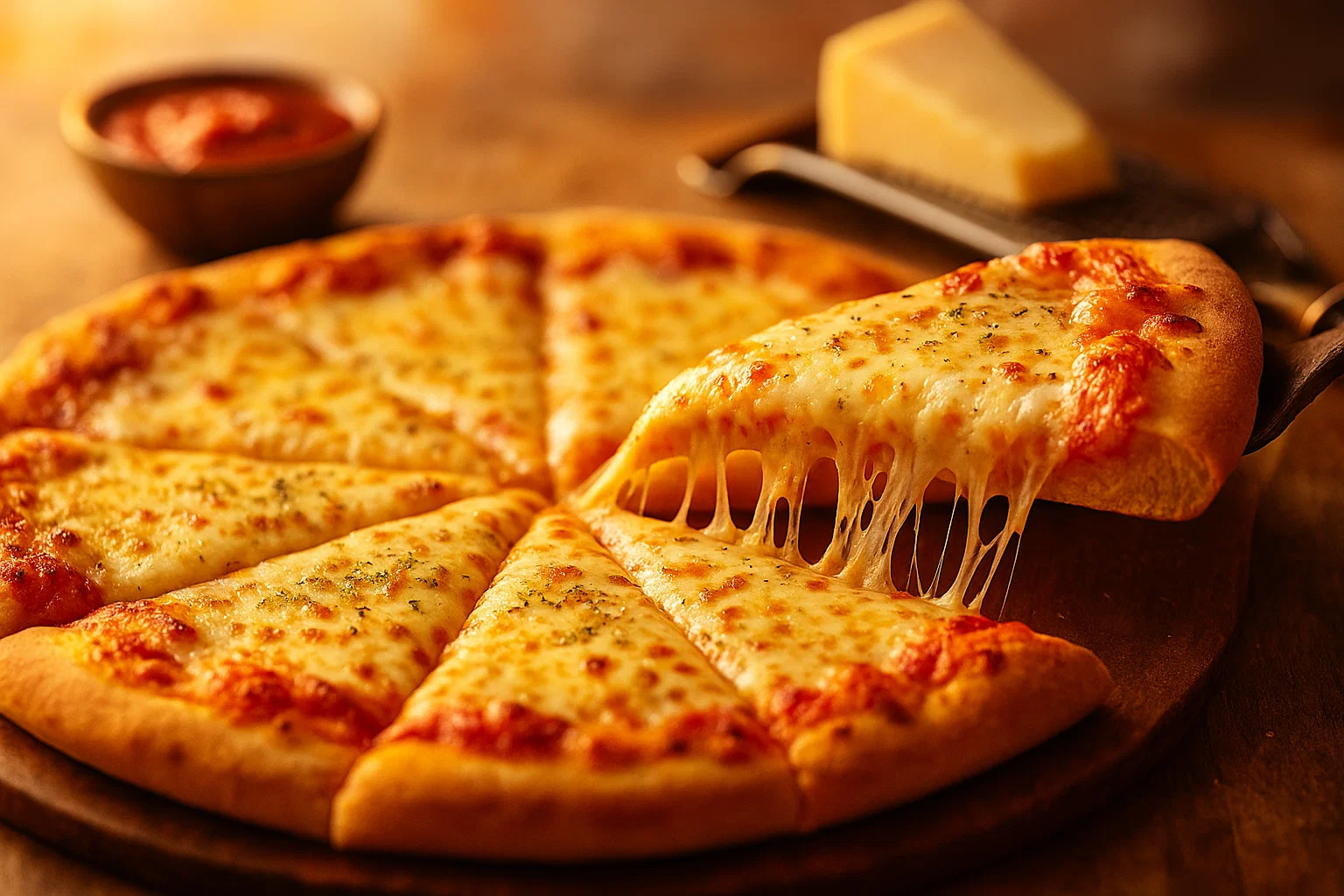
There’s something universally appealing about pizza. Be it a casual Friday night dinner or a special gathering of family and friends, pizza shines as an ultimate crowd-pleaser. In 2025, this beloved dish continues to evolve with creativity on every platter, offering endless possibilities. With “Pin by Gourmet Guidance | Easy Dinner on Pizza,” we bring you not just a recipe but a delightful culinary experience that is simple enough for busy home cooks, yet exciting enough to ignite the passion of food enthusiasts.
Imagine the satisfying crunch of the crust paired with a medley of your favorite toppings, and a sprinkling of fresh herbs that elevate the classic pie. Whether you adhere to a gluten-free diet or prefer plant-based options, this article is designed to inspire and empower you to create your own customized pizza masterpiece right in your kitchen.
Let’s dive into the flavorful world of pizza, exploring its benefits, essential ingredients, and tips to make the most of this delightful dish. Whether you’re cooking for your family, friends, or a solo treat, you’ll find the knowledge and enthusiasm to recreate this magic time and again. Your perfect pizza awaits!
Benefits and Advantages of Pizza:
Cooking at home has never been more rewarding, especially when it comes to pizza. Here are some benefits that make our easy Pizza a favorite:
- Versatile and Customizable: One of the standout features of pizza is its adaptability. You can craft it to suit any dietary need or preference, making it a fantastic choice for families with varied tastes. From meat lovers to vegans, the options are limitless.
- Quick and Convenient: In the hustle and bustle of daily life, efficient meals save the day. With our easy dinner Pizza, you can whip up dinner in less time than it takes to order takeout. In just one hour (or less!), you can create a homemade pizza that rivals your favorite pizzeria.
- Healthy Homemade Options: You control the ingredients, allowing for healthier choices. You can opt for whole grain crusts, fresh vegetables, and lean proteins, creating a meal that’s not just delicious but also nutritious.
- Quality Time and Creativity: Making pizza is not just about eating; it’s an experience worth sharing. Get your family involvedlet them create their own toppings, fostering creativity and teamwork in the kitchen.
- Cost-Effective: Eating out can quickly add up, especially when pizza cravings strike. By making your own pizza, you save money while still enjoying a fantastic mealallowing you to spend more on quality ingredients.
By choosing to explore the world of homemade pizza, you open the door to a myriad of flavors, dietary accommodations, and culinary adventures that bring joy to your dining table.
Ingredients Overview
Essential Ingredients for Pizza:
To create the perfect pizza, you’ll need a balanced selection of high-quality ingredients. Here’s a thorough list along with their reasons for inclusion:
- Pizza Dough (1 pound): The foundation of any great pizza. Opt for store-bought or make your own for that fresh-baked taste. A good dough provides the perfect balance of crispy and chewy textures.
- Pizza Sauce (1 cup): A rich tomato sauce sets the stage for flavor. Look for a sauce with no additives for the best tastehomemade or jarred, ensure it’s packed with herbs and spices.
- Shredded Mozzarella Cheese (2 cups): This melt-in-your-mouth cheese is the classic topping that makes pizzas irresistibly gooey. Its mild flavor complements almost any topping you choose.
- Olive Oil (2 tablespoons): A drizzle of this enhances the crust and adds flavor depth. It helps achieve that golden-brown crust that glistens with perfection.
- Toppings of Choice (2-3 cups total): This is where you can let your creativity shine! Pepperoni, bell peppers, mushrooms, onions, olivesmix and match according to preference.
- Fresh Basil (1 handful): A finishing touch that elevates your pizza’s flavor profile. The aromatic herb adds a refreshing burst that brings everything together.
Choosing high-quality ingredients is paramount for a pizza that impresses with every bite.
Dietary Substitutions to Customize Your Pizza:
Adapting your pizza to cater to dietary needs fosters inclusivity at the table. Here are practical swaps that make this recipe accommodating for everyone:
Gluten-Free Option: Use a gluten-free pizza crust made from almond or coconut flour. Many grocery stores also carry pre-made options.
Dairy-Free Cheese: Substitute traditional mozzarella with plant-based cheese options that melt well, such as cashew cheese or soy-based alternatives, ensuring that lactose-intolerant individuals can enjoy the dish too.
Vegan Toppings: Instead of meat, amp up your veggie selections. Consider artichokes, roasted onions, or marinated mushrooms to satisfy those umami cravings.
Low-Calorie Version: Use a thin crust to reduce carbs and calories. Load your pizza with vegetables while opting for lean proteins like chicken breast or turkey pepperoni.
Incorporating dietary substitutions can make pizza night enjoyable for everyone, allowing family and friends to indulge without compromising their preferences.
How to Prepare the Perfect Pizza: Step-by-Step Guide:
Creating your own pizza is a rewarding culinary journey. Here’s a step-by-step guide to mastering the art of pizza-making!
First Step: Preheat your Oven.
Set your oven to 475°F (245°C). A hot oven is vital for achieving that perfect crust. Allow at least 30 minutes for the oven to reach temperature.
Second Step: Prepare the Dough.
If using store-bought dough, remove it from the refrigerator to bring it to room temperature. If making your own, roll the dough onto a lightly floured surface until you reach your desired thickness.
Third Step: Shape the Dough.
Transfer your dough to a baking sheet or pizza stone. Gently stretch the dough to form a circle using your hands or a rolling pin, ensuring to keep the edges slightly thicker for a crust.
Fourth Step: Add the Sauce.
Spoon your pizza sauce onto the dough, spreading it evenly while leaving about half an inch around the edges for crust. Use a spoon or a ladle for this task to ensure an even layer.
Fifth Step: Sprinkle the Cheese.
Evenly distribute your shredded mozzarella cheese over the sauce, covering it generously for that melty goodness everyone loves.
Sixth Step: Layer Your Toppings.
Now is the time to get creative! Arrange your selected toppings evenly over the cheese. Remember, less is often more to avoid a soggy pizza.
Seventh Step: Drizzle Olive Oil.
Lightly drizzle olive oil over the top of your unbaked pizza. This small step enhances flavor and helps achieve a lovely golden color on the crust.
Eighth Step: Bake the Pizza.
Carefully place the pizza in the preheated oven. Bake for 12-15 minutes, or until the cheese is bubbly and the crust edges are golden brown.
Ninth Step: Garnish with Fresh Basil.
Once your pizza is out of the oven, let it cool for a minute, then scatter fresh basil on top. This step introduces a fragrant layer that adds incredible flavor.
Tenth Step: Slice and Serve.
Using a pizza cutter, slice your masterpiece into wedges, serve immediately, and watch everyone enjoy!
Prepare for compliments and requests for secondsyour homemade pizza is about to steal the show!
Mastering Pizza: Advanced Tips and Variations:
To take your pizza-making endeavors to the next level, consider these advanced tips and creative variations:
- Experiment with Flours: Try different types of flour such as bread flour for crusts with more chew or whole wheat flour for added flavor and nutrition.
- Marinara vs. Pesto: Don’t limit yourself to traditional tomato sauce. Explore using pesto as a base for a fresh twist that pairs beautifully with veggies.
- Use a Pizza Stone: Achieve pizzeria-style crusts by using a pizza stone. Preheat it in the oven, and then slide your prepared pizza onto the stone for that crisp finish.
- Cold Fermentation: For the ambitious home cook, cold fermenting pizza dough enhances flavor. Prepare the dough early, allow the fermentation process in the fridge for 24 hours, and enjoy an amazing depth of flavor.
- Themed Pizzas: Celebrate different cultures by creating themed pizzas, such as a Mediterranean pizza topped with feta, olives, and artichokes or a Mexican-inspired version featuring refried beans, jalapeños, and fresh cilantro.
Embracing these variations not only advances your culinary skills but also brings a world of flavors to your pizza nights!
How to Store Pizza: Best Practices:
Proper storage can keep your pizza delightful long after it’s made. Here’s how to do it right:
- Cool Down: Allow your leftover pizza to cool to room temperature before storing it. This step helps prevent condensation inside the container, avoiding soggy crust.
- Wrap and Refrigerate: For a few pieces, wrap them tightly in plastic wrap or aluminum foil and place them in an airtight container. Proper wrapping helps prevent drying out and maintains flavor.
- Freeze for Longer Storage: For longer storage, individual slices can be wrapped in foil and then placed in a resealable plastic bag before freezing. When ready to eat, reheat from frozen in the oven or microwave.
- Reheat with Care: When reheating, an oven or toaster oven maintains the crust’s texture better than a microwave. Reheat at 375°F (190°C) for about 10 minutes.
Following these storage tips ensures you’ll always have delicious pizza ready when cravings hit.
Nutritional Value of Pizza:
Understanding the nutritional value of your homemade pizza can help guide your choices. Here’s a breakdown for a standard serving of pizza using mozzarella cheese and a variety of toppings:
| Nutritional Component | Amount per Serving |
|---|---|
| Calories | 290 |
| Total Fat | 12g |
| Saturated Fat | 6g |
| Cholesterol | 25mg |
| Sodium | 650mg |
| Total Carbohydrates | 36g |
| Dietary Fiber | 2g |
| Sugars | 2g |
| Protein | 12g |
This nutritional insight helps you enjoy your pizza in balance, ensuring satisfaction without overindulging.
FAQs: Frequently Asked Questions About Pizza:
Q1: Can I make pizza in advance?
A1: Absolutely! You can prepare the dough a day in advance and store it in the refrigerator. Simply follow the assembly instructions whenever you’re ready to bake.
Q2: How can I achieve a crispier crust?
A2: For a crispier crust, preheat your baking appliance to the maximum temperature and use a pizza stone or a baking steel.
Q3: What are some suitable toppings for a gluten-free pizza?
A3: Try gluten-free sauces like pesto or traditional tomato sauce topped with veggies, meats, and gluten-free cheese for a truly delicious pizza experience.
Q4: Is it okay to customize the toppings?
A4: Of course! The beauty of pizza lies in its versatility, so feel free to swap and change toppings to cater to your taste buds.
Q5: Can I use frozen pizza dough?
A5: Yes! Frozen pizza dough is a convenient option. Just allow it to thaw in the refrigerator before rolling it out, and follow the same preparation steps.
Enjoy the process of crafting your own pizza, filled with flavors and good vibes. Bon appétit!