Alfredo Sauce – Love and Lemons
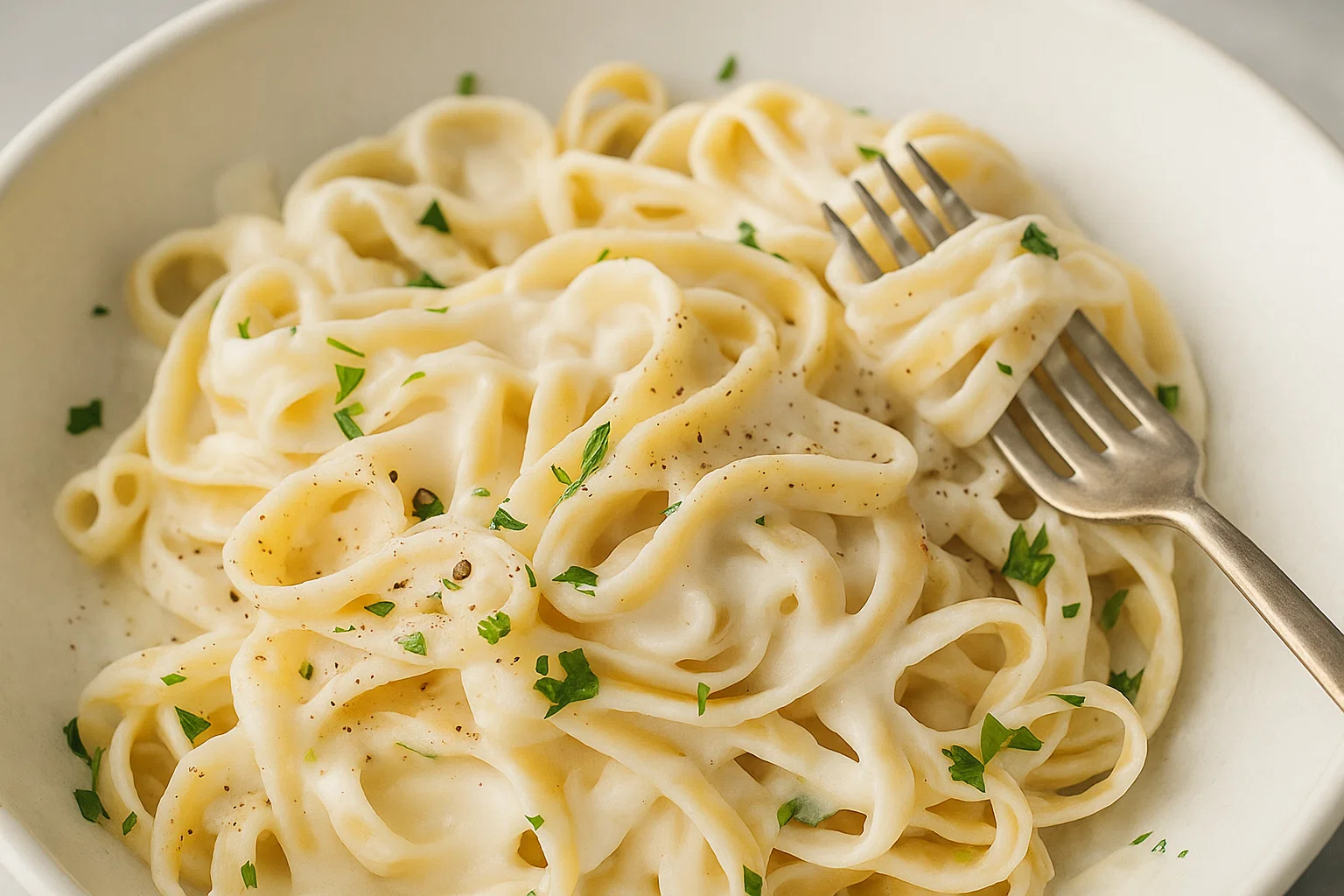
Ah, pasta! One of life’s simplest yet most satisfying pleasures. At the heart of an outstanding pasta dish lies a silky, creamy sauce that can elevate your meal from ordinary to extraordinary and what better sauce to choose than Alfredo? The classic Alfredo Sauce is not just a recipe; it’s a love story woven with rich flavors, creamy textures, and endless versatility. Imagine twirling your fork around a plate of fettuccine, each strand lovingly coated in a velvety sauce that hugs your taste buds and warms your heart.
This wonderful creation has Italian roots that have captivated taste buds worldwide. Traditionally made with butter, cream, and cheese, Alfredo sauce is a beloved choice for busy parents, home cooks, and anyone who cherishes a satisfying meal without spending hours in the kitchen. Not only does it complement a variety of pasta types, from fettuccine to penne, but it also allows room for creativity with added ingredients or dietary adaptations.
Whether you’re a novice or an experienced chef, learning how to make Alfredo sauce at home is a skill you’ll treasure. In this article, we’ll dive deep into everything you need to know about crafting this delightful sauce, from the essential ingredients to practical tips for mastering it. So grab your apron, and let’s embark on this cheesy adventure together!
Benefits and Advantages of Alfredo Sauce:
Creating Alfredo sauce at home is not only simple but packed with benefits that make it a favorite among many. Here are some of the key advantages of embracing this creamy delight:
1. Speed and Convenience:
Alfredo sauce is surprisingly quick to whip up. In less than 30 minutes, you can prepare a restaurant-quality sauce, making it an excellent choice for busy weeknights or last-minute gatherings. With just a few basic ingredients, you can have a homemade sauce that’s ready when you need it.
2. Versatility:
One of the most exciting aspects of Alfredo sauce is its adaptability. You can customize it to suit various dietary preferences or add different flavors to match your taste. Whether you want a rich classic, a lighter version, or vegan options, Alfredo sauce won’t disappoint.
3. Budget-Friendly:
Making Alfredo sauce from scratch is cheaper than buying pre-made jars from the store. With simple ingredients like butter, cream, and cheese, you can create a delicious sauce without breaking the bank. Plus, leftovers can easily be stored for future meals, allowing you to stretch your grocery budget even further.
4. Family-Friendly:
For families, Alfredo sauce is a surefire hit. Kids and adults alike adore its creamy texture and savory taste. It can turn even the plainest pasta into an enticing meal the whole family will love. Whether served with chicken, vegetables, or even as a base for baked dishes, everyone will be asking for seconds.
5. Health Conscious Options:
Crafting your own Alfredo sauce also means you control the ingredients. You can make healthier choices by using low-fat dairy, plant-based alternatives, or adding nutritious elements like vegetables. This helps you enjoy the creamy indulgence guilt-free.
6. Culinary Skills Development:
Learning to make Alfredo sauce is a stepping stone toward mastering other sauces and culinary techniques. It builds your confidence in the kitchen and encourages experimentation with flavors, textures, and techniques.
As we continue, we’ll delve into the essential ingredients that make this sauce a gastronomical masterpiece and how you can customize it for your needs.
Ingredients Overview
Essential Ingredients for Alfredo Sauce:
- Butter (1/2 cup):
Unsalted butter adds richness and depth to the sauce. It helps create a smooth, creamy base that marries the flavors of other ingredients beautifully. - Heavy Cream (1 cup):
Heavy cream is key to achieving that luxurious, velvety texture. It balances the richness of the butter, allowing the sauce to cling perfectly to your pasta. - Parmesan Cheese (1 cup, freshly grated):
Quality Parmesan is essential for authenticity. Its sharp, nutty flavor enhances the overall taste of the sauce while thickening it naturally. - Garlic (2-3 cloves, minced):
Garlic infuses the sauce with aromatic flavors. Whether roasted for sweetness or raw for a pungent kick, it elevates the overall profile. - Nutmeg (1/4 teaspoon):
A pinch of nutmeg adds warmth and complexity to the sauce, making it more intriguing. It’s an often-overlooked ingredient that brings everything together. - Salt and Pepper (to taste):
Seasoning is crucial for balance. Be sure to taste and adjust according to your preference.
Dietary Substitutions to Customize Your Alfredo Sauce:
- Gluten-Free Options:
To cater to gluten-sensitive individuals, simply serve the Alfredo sauce over gluten-free pasta alternatives. Rice pasta, zucchini noodles, or chickpea pasta work wonderfully. - Dairy-Free and Vegan:
For a vegan Alfredo sauce, swap out heavy cream for coconut milk or cashew cream and use nutritional yeast or a vegan Parmesan. This not only makes it dairy-free but also adds a delightful nuttiness. - Low-Calorie Alternatives:
To reduce calories, consider using light cream or a blend of Greek yogurt and broth instead of heavy cream. This still creates a creamy texture without the added fat. - Add Vegetables:
Bulk up your Alfredo sauce with nutrient-dense vegetables like spinach, broccoli, or mushrooms. Sauté them before adding to the sauce for a wholesome twist. - Protein Additions:
Chicken, shrimp, or plant-based proteins can elevate your Alfredo dish into a complete meal. Just sauté your protein of choice before incorporating it into your pasta.
Now that we have a clear understanding of the essential ingredients and substitutions, let’s move on to the heart of the recipe with a step-by-step guide to preparing the perfect Alfredo sauce.
How to Prepare the Perfect Alfredo Sauce: Step-by-Step Guide
Creating the perfect Alfredo sauce is a straightforward process that even novice cooks can master in no time. Follow these steps, and you’ll have a creamy, flavorful sauce that pairs deliciously with your favorite pasta.
First Step: Gather Your Ingredients
Before you begin, ensure you have all your essential ingredients ready. Freshly grated Parmesan, minced garlic, and quality butter are crucial for creating a luscious Alfredo sauce.
Second Step: Melt the Butter
In a medium saucepan over medium heat, melt 1/2 cup of unsalted butter. Let it melt gently, ensuring it doesn’t brown. This forms the base of your sauce.
Third Step: Sauté the Garlic
Once the butter has melted, add 2-3 minced cloves of garlic. Sauté for about 1-2 minutes until fragrant. Be careful not to let the garlic brown, as this can create a bitter flavor.
Fourth Step: Add the Heavy Cream
Slowly pour in 1 cup of heavy cream, stirring constantly. Allow the mixture to simmer for about 3-5 minutes, letting it thicken slightly. Stirring ensures even consistency and prevents sticking.
Fifth Step: Incorporate the Cheese
Gradually whisk in 1 cup of freshly grated Parmesan cheese. Continue stirring until the cheese is completely melted and incorporated into the sauce. This should take approximately 2-3 minutes.
Sixth Step: Season to Taste
Add 1/4 teaspoon of nutmeg, salt, and pepper to taste. Adjust seasoning, remembering that Parmesan already adds saltiness. Taste and make adjustments to your liking.
Seventh Step: Combine with Pasta
Once your sauce is ready, it’s time to unite it with your cooked pasta. Toss your pasta of choice (fettuccine, linguine, or penne) in the sauce, ensuring every strand is nicely coated.
Eighth Step: Serve Immediately
Serve the pasta topped with additional grated Parmesan and a sprinkle of fresh herbs, if desired. Best enjoyed warm, creamy, and freshly made!
Ninth Step: Enjoy the Variety
Feel free to experiment! Mix in sautéed vegetables, cooked proteins, or your favorite spices for a unique twist. The possibilities are endless.
Now that you’ve learned the method to craft this delightful sauce, let’s explore some advanced tips and variations that will take your Alfredo sauce to the next level.
Mastering Alfredo Sauce: Advanced Tips and Variations
Once you’ve perfected the classic version of Alfredo sauce, it’s time to get adventurous! Here are some advanced tips and variations to elevate your culinary experience:
1. Infused Flavors:
For a gourmet touch, consider infusing your butter with herbs like rosemary or thyme. This subtle addition can add layers of flavor to your Alfredo sauce.
2. Roasted Garlic:
To give your sauce a sweeter, more complex depth of flavor, roast the garlic before adding it to the butter. The addition of roasted garlic will provide a mellow richness that cannot be matched.
3. White Wine Addition:
For a sophisticated flavor profile, add a splash of white wine after sautéing the garlic. Let it simmer briefly until the alcohol cooks off before adding the cream.
4. Citrus Brightness:
A hint of lemon or lime zest can brighten your Alfredo sauce, balancing its richness. Add this at the end for a refreshing twist.
5. Cheese Variations:
Explore different cheese combinations! Try Pecorino Romano or a blend of Italian cheeses to switch up the flavor. This will highlight your personal preferences while ensuring a delightful taste.
6. Create a Lightened Version:
Substitute half of the heavy cream for chicken or vegetable broth for a lighter Alfredo sauce without sacrificing flavor. It’s an excellent option for those keeping an eye on calories.
With these tips in mind, mastering Alfredo sauce will become second nature. But, to preserve any leftovers, it’s essential to know how to store this rich deliciousness properly.
How to Store Alfredo Sauce: Best Practices
Properly storing your homemade Alfredo sauce ensures you can enjoy the creamy goodness on a later day. Here’s how to do it right:
1. Refrigeration:
Allow your sauce to cool to room temperature. Transfer it to an airtight container before placing it in the fridge. Homemade Alfredo sauce typically stays fresh for about 3-5 days when stored properly.
2. Freezing:
For longer storage, consider freezing your Alfredo sauce. Using a freezer-safe container, minimize air exposure to prevent freezer burn. This sauce can be frozen for up to 3 months. To reheat, thaw in the refrigerator overnight and gently warm on the stove, adding a touch of cream to revive the initial texture.
3. Reheating Tips:
When reheating Alfredo sauce, do so on low heat while stirring constantly. The sauce may separate during refrigeration and freezing, but a little stirring and additional cream will help restore its velvety texture.
By following these best practices, you can ensure your homemade sauce remains just as delightful after storage. Let’s now take a look at the nutritional value of this delectable homemade creation.
Nutritional Value of Alfredo Sauce
When enjoying Alfredo sauce, it’s essential to be mindful of its nutritional content, especially if you are diet-conscious. Here’s a detailed breakdown of the nutritional value per serving, assuming a serving size is about 1/4 cup.
| Nutritional Component | Amount per Serving |
|---|---|
| Calories | 220 kcal |
| Total Fat | 20 g |
| Saturated Fat | 12 g |
| Trans Fat | 0 g |
| Cholesterol | 60 mg |
| Sodium | 370 mg |
| Total Carbohydrates | 4 g |
| Dietary Fiber | 0 g |
| Sugars | 0 g |
| Protein | 7 g |
Keep in mind that modifications in ingredients or serving sizes will result in changes to these values. Making healthier adjustments allows you to enjoy Alfredo sauce without guilt while satisfying your cravings.
FAQs: Frequently Asked Questions About Alfredo Sauce
1. Can I make Alfredo sauce without cream?
Yes! You can create a lighter version using milk, Parmesan cheese, and a thickening agent like flour or cornstarch to achieve a creamy texture.
2. How long can Alfredo sauce be stored?
Homemade Alfredo sauce can be kept in the refrigerator for up to 3-5 days and in the freezer for about 3 months when stored appropriately.
3. What pasta pairs best with Alfredo sauce?
Fettuccine is the classic choice for Alfredo sauce, but feel free to use linguine, penne, or even spiralized vegetables for a twist!
4. Can Alfredo sauce be made vegan?
Absolutely! Use coconut milk or cashew cream instead of heavy cream, and nutritional yeast for cheesy flavor to make a delicious and creamy vegan Alfredo sauce.
5. How can I make Alfredo sauce less rich?
Simply reduce the amount of butter and cream, or replace part of the heavy cream with chicken or vegetable broth to lighten the sauce while maintaining flavor.
6. What can I add to enhance Alfredo sauce?
Cooked chicken, shrimp, or sautéed vegetables like spinach or mushrooms make excellent additions to your Alfredo pasta for a wholesome meal.
In conclusion, Alfredo Sauce is more than just a recipe; it’s a gateway to culinary creativity and comfort food bliss. With its rich history and adaptability, this creamy sauce can brighten up any meal, making it a beloved staple in kitchens across the globe. Whether for a cozy family dinner or a gathering of friends, your homemade Alfredo sauce will undoubtedly steal the show! Enjoy crafting this delightful dish and make every plate a love letter to the culinary world.