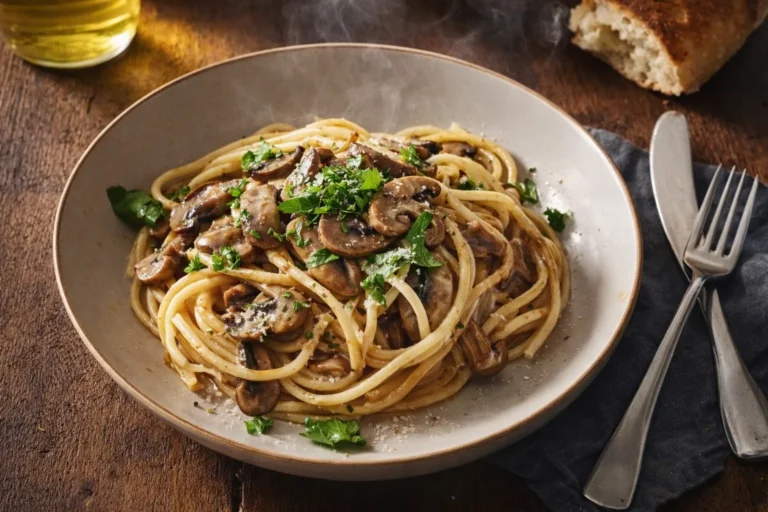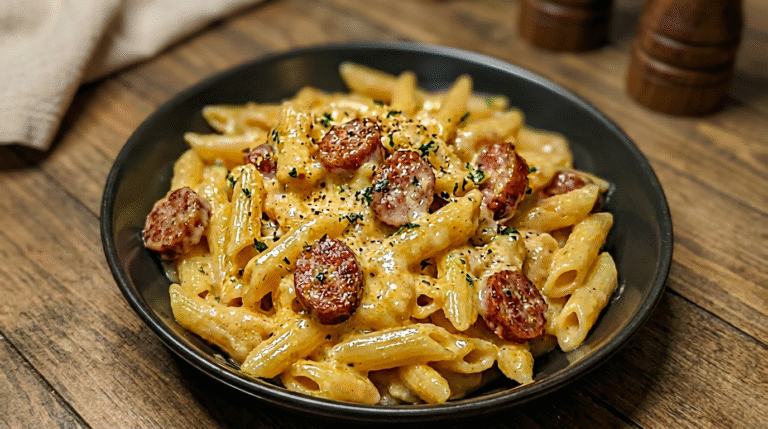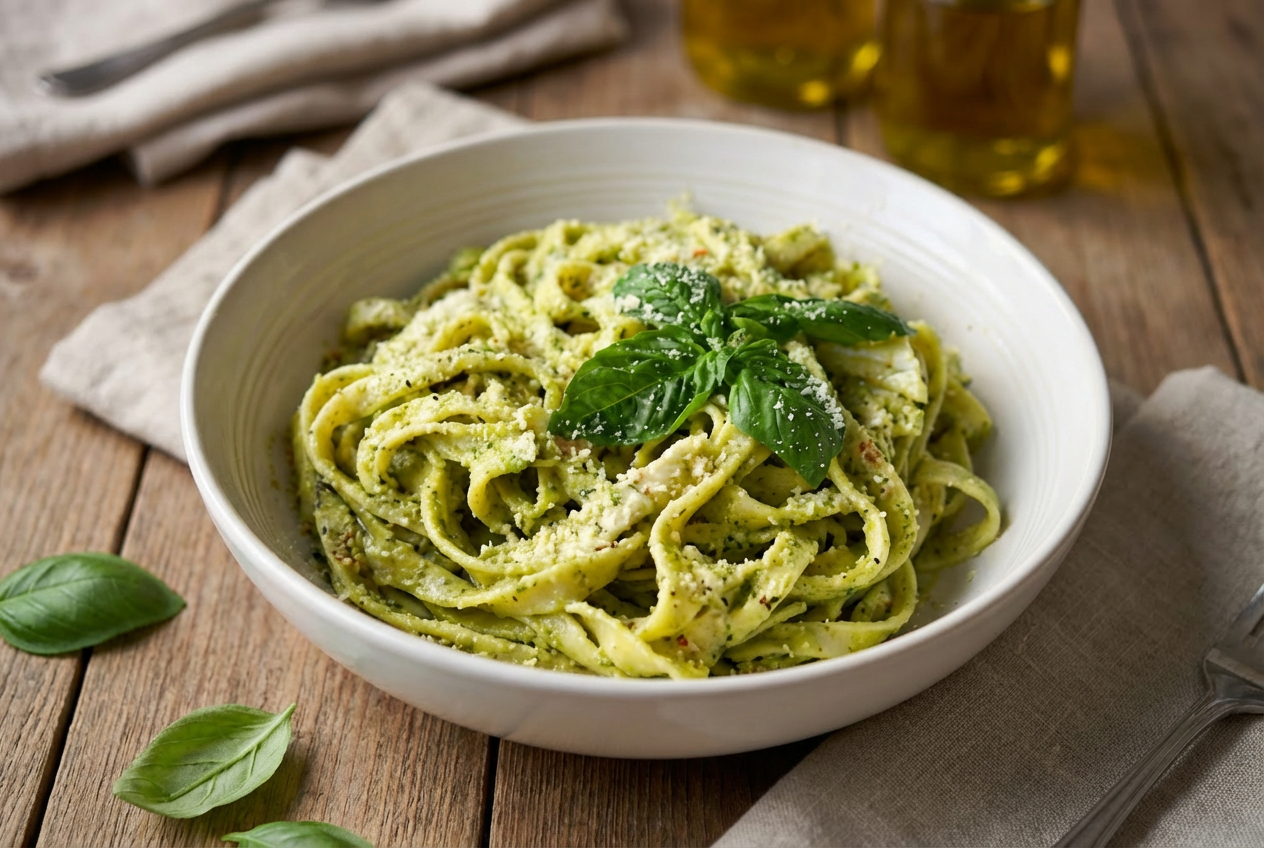
pasta
Pasta is more than just a meal; it’s a beloved culinary treasure that brings people together. Whether you’re twirling strands of spaghetti around your fork or savoring a comforting bowl of macaroni and cheese, pasta has the unique ability to create moments of joy. This staple food transcends cultures and kitchens, making it a favorite for home cooks and restaurant chefs alike. Its versatility allows for an endless array of recipes, ensuring there’s a type of pasta dish for everyone busy parents looking for a quick dinner solution, students needing budget-friendly meals, and culinary enthusiasts ready to experiment.
In today’s world, where meal preparation can often feel rushed and chaotic, pasta shines as a beacon of ease and comfort. It can be prepared in minutes with little more than a pot of water, a few ingredients, and an adventurous spirit. Whether you’re vegan, gluten-free, or focused on maintaining a low-calorie diet, pasta can still deliver exquisite flavors without sacrificing dietary needs. As we delve into the art of crafting the perfect pasta dish, you’ll discover the benefits, essential ingredients, personalized substitutions, and tips to elevate your cooking game. Get ready to embrace the wondrous world of pasta!
Benefits and Advantages of pasta:
Pasta is not only delicious but also comes with a myriad of benefits that make it a smart choice for any meal. First and foremost, its convenience saves precious time, especially for busy families and working professionals. Boasting a simple cooking method, pasta can go from stovetop to plate in under 15 minutes, providing a quick yet satisfying meal option.
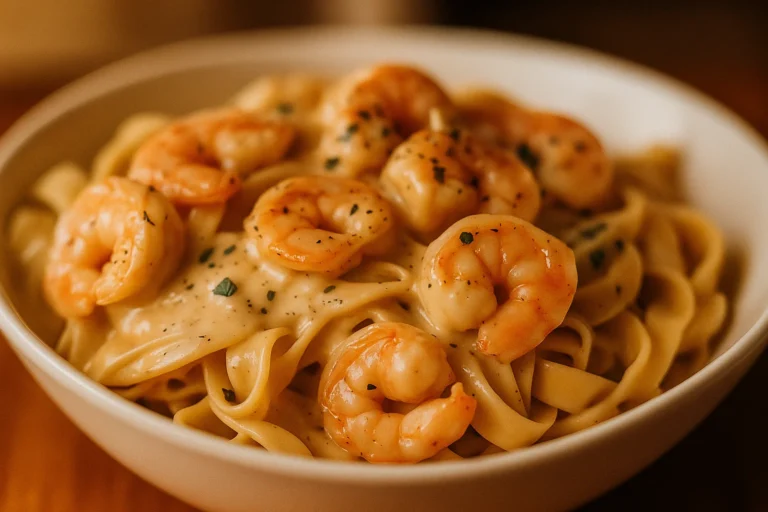
Additionally, pasta is incredibly versatile. It pairs wonderfully with a broad range of sauces, vegetables, meats, and spices. From classic marinara to creamy alfredo, or even a refreshing pesto, the flavor combinations are seemingly endless. This adaptability ensures that no two pasta dishes need to be the same, allowing for creativity in the kitchen while accommodating different dietary preferences.
Nutritionally, pasta can be an excellent source of energy. Made primarily from wheat, pasta is rich in carbohydrates, serving as fuel for our bodies. It also provides a good amount of B vitamins, which play a crucial role in energy metabolism. With the rise of whole-grain and legume-based pasta options, health-conscious individuals can enjoy not only the delightful taste of pasta but also added fiber and protein. These variations cater to a wide range of dietary needs, ensuring that pasta remains a beloved dietary staple across the globe.
Furthermore, the act of preparing and sharing pasta can foster connection and community. Whether enjoyed at family dinners or social gatherings, pasta brings people together around the table. Thus, it’s not merely a dish; it’s an experiencea way to forge lasting memories through shared meals.
Ingredients Overview
Essential Ingredients for pasta:
Creating the perfect pasta begins with a few essential ingredients. Here’s a breakdown of what you need:
- Pasta: Choose your favorite, whether it’s spaghetti, penne, or fettuccine. Dried pasta typically contains wheat and water, providing the foundation for your dish.
- Water: A generous pot of salted boiling water serves as the cooking medium. Salting the water not only enhances the pasta’s natural flavor but also helps it to cook evenly.
- Olive Oil: Adding a splash of olive oil in the water or drizzling it over cooked pasta helps prevent sticking and adds a rich flavor.
- Salt: Essential for seasoning both the cooking water and the pasta itself, salt enhances the overall taste of your dish.
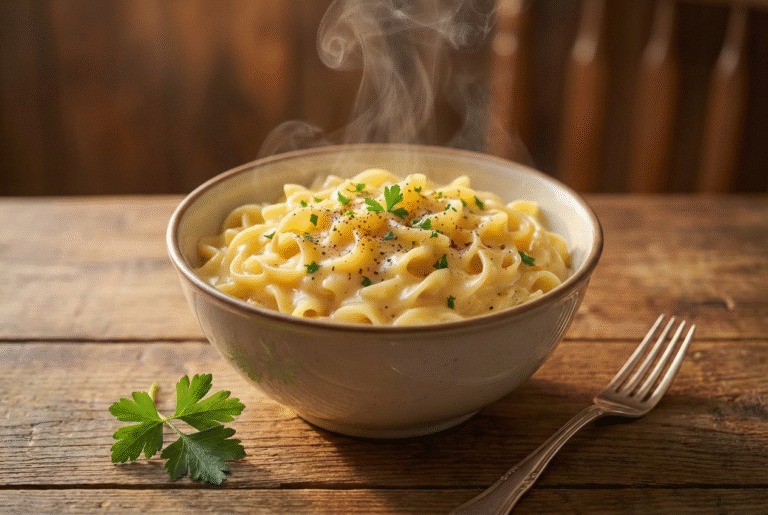
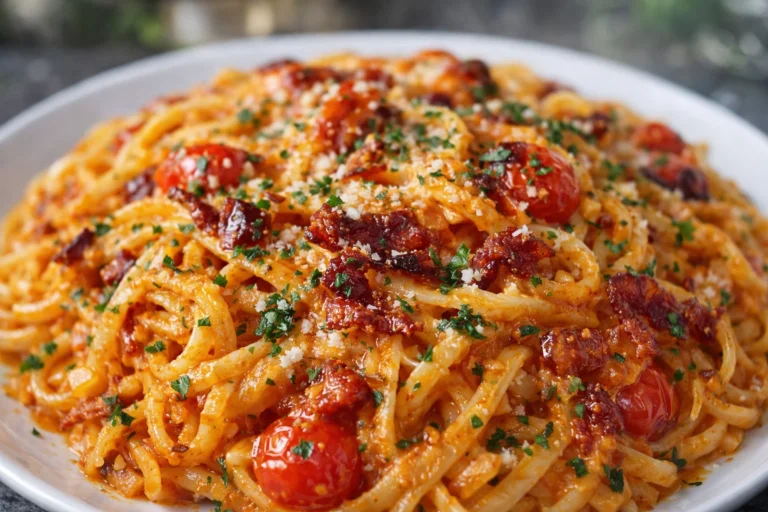
- Sauce: Choose from a wide range of sauces based on personal preferencefrom marinara to Alfredo or even a homemade pesto.
These ingredients serve as the backbone of countless pasta dishes, making them indispensable in your cooking arsenal.
Dietary Substitutions to Customize Your pasta:
For those with dietary restrictions or preferences, there are countless options to customize your pasta while still enjoying its delightful essence:
- Gluten-Free Pasta: Available in the form of brown rice, quinoa, or chickpea flour, gluten-free pasta options ensure that those with gluten sensitivities can enjoy this classic dish without worry.
- Whole Wheat Pasta: Richer in fiber and nutrients than traditional pasta, whole wheat varieties provide a heartier flavor and added health benefits.
- Vegetable-Based Noodles: Spiralized zucchini or spaghetti squash can serve as a low-carb substitute, perfect for individuals following a keto or low-calorie regimen.
- Protein-Enriched Pasta: For those looking to increase their protein intake, pasta made from lentils or chickpeas can be a nutritious alternative.
By making these substitutions, you can easily adapt your pasta meals to fit various dietary needs while still savoring the joy of cooking and sharing delicious food.
How to Prepare the Perfect pasta: Step-by-Step Guide
Crafting the perfect pasta doesn’t require a culinary degree; it’s all about mastering the basics. Follow these straightforward steps to create a delightful dish:
First Step: Choose Your Pasta Type
Before diving into cooking, determine which type of pasta you want to use. Dried, fresh, whole-grain, or gluten-freeall options offer unique textures and flavors.
Second Step: Bring a Pot of Water to a Boil
Fill a large pot with water, enough to allow the pasta to cook freely. Add a generous pinch of salt to the water, then bring it to a rolling boil over high heat.
Third Step: Add the Pasta
Carefully add the pasta to the boiling water. Stir briefly to prevent it from sticking together. Note the cooking time provided on the package; this varies according to the pasta shape.
Fourth Step: Cook Al Dente
Taste a piece of pasta a minute or two before the suggested cooking time to check for doneness. You want it to be al dentecooked through but still slightly firm to the bite.
Fifth Step: Reserve Pasta Water
Before draining, take a cup of the starchy cooking water and set it aside. This can be a lifesaver for adjusting sauce consistency later.
Sixth Step: Drain the Pasta
Using a colander, drain the pasta, shaking off excess water but avoiding the rinse. Rinsing removes the starchy surface that helps sauces cling.
Seventh Step: Combine with Sauce
In a skillet over medium heat, combine your choice of sauce with the freshly drained pasta. Toss gently to coat, adding reserved pasta water as needed to achieve your desired consistency.
Eighth Step: Garnish and Serve
Finish your dish with a sprinkle of freshly grated cheese, herbs, or a drizzle of olive oil. Serve immediately while hot!
Mastering pasta: Advanced Tips and Variations
Once you’ve mastered the basics of pasta preparation, here are some advanced tips to enhance your creations:
- Experiment with Homemade Pasta: For an authentic touch, consider making fresh pasta from scratch using flour, eggs, and a pinch of salt. The result offers a delectable texture that dried pasta can’t replicate.
- Try Different Cooking Techniques: Explore oven-baked pasta recipes such as lasagna or pasta al forno for a comforting twist on the classic.
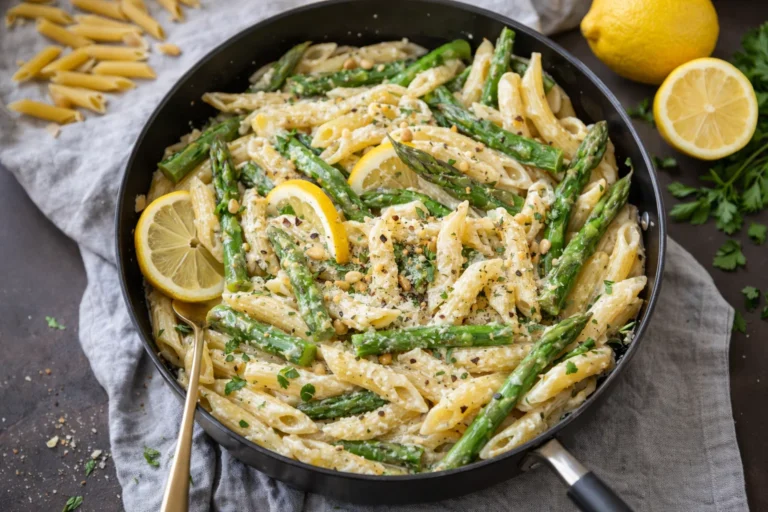
- Incorporate Seasonal Vegetables: Enhance your pasta dish by sautéing seasonal veggies like bell peppers, zucchini, or broccoli. This not only adds nutrition but also bursts of color.
- Flavorful Infusions: Enhance your cooking water by adding herbs such as basil or bay leaves. The pasta absorbs these flavors, enhancing the overall taste.
By integrating these tips, you can transform simple pasta into a gourmet masterpiece, impressing friends and family at your next gathering.
How to Store pasta: Best Practices
Storing pasta properly is crucial for preserving its quality. Here are best practices whether your pasta is cooked or uncooked:
- Uncooked Dried Pasta: Store in a cool, dry place in an airtight container. This can help maintain its freshness indefinitely. Avoid exposure to moisture, which can lead to spoilage.
- Fresh Pasta: Keep in the refrigerator in an airtight container for 1-2 days. If you need to store it longer, consider freezing it. Lay the pasta flat on a baking sheet for an hour to freeze individually before transferring it to a bag for long-term storage.
- Cooked Pasta: Place the cooked pasta in an airtight container and refrigerate for up to five days. To prevent stickiness, coat it lightly with olive oil before storing. Reheat with a splash of water or sauce to restore moisture.
Adhering to these storage tips guarantees that you can enjoy your pasta dishes long after cooking.
Nutritional Value of pasta:
Pasta is a hearty food that provides essential nutrients to fuel your body. Below is a table illustrating the nutritional profile of a typical serving (2 oz dried) of traditional pasta.
| Nutritional Component | Amount per Serving |
|---|---|
| Calories | 200 |
| Total Fat | 1 g |
| Saturated Fat | 0 g |
| Protein | 7 g |
| Total Carbohydrates | 41 g |
| Dietary Fiber | 2 g |
| Sugars | 1 g |
Pasta can be part of a balanced diet. When combined with healthy ingredients such as vegetables, protein sources, and wholesome sauces, it can elevate any meal nutritionally.
FAQs: Frequently Asked Questions About pasta:
Q1: How do I know if my pasta is cooked properly?
A: The best way to check is to taste a piece of pasta. You want it to be tender yet still slightly firm (al dente).
Q2: Can I freeze cooked pasta?
A: Yes, you can freeze cooked pasta. Make sure to store it in a freezer-safe container and add a little olive oil to prevent sticking.
Q3: What type of pasta is healthiest?
A: Whole grain and legume-based pasta tend to be healthier options, offering more fiber and protein than traditional refined pasta.
Q4: Do I need to rinse pasta after cooking it?
A: No, you should avoid rinsing pasta once cooked, as rinsing washes away the starch that helps sauces adhere.
Q5: How can I make pasta dishes more flavorful?
A: Experiment with using starchy pasta water in your sauces, adding fresh herbs, and including various sautéed vegetables to bring out other flavors.
In summary, pasta is not just a simple dishit’s a canvas for culinary creativity. With a few essential ingredients and techniques, anyone can master this classic staple, transforming it into something extraordinary for any occasion. Enjoy exploring the delightful world of pasta!