Acid Reflux Diet Food Chart Healthy Recipes GERD-Friendly Meal Ideas Guide
Managing acid reflux often starts with making smarter food choices. While medications and lifestyle adjustments can play a role, the foods you eat every day can significantly influence how often symptoms occur and how severe they become. A well-balanced acid reflux diet focuses on nutrient-dense ingredients that are generally gentle on the digestive system while helping you maintain overall health and wellness.
The good news is that eating for acid reflux does not have to feel restrictive. Many delicious foods naturally fit into a reflux-friendly lifestyle, including lean proteins, colorful vegetables, wholesome grains, fresh fruits, and healthy fats. By understanding which foods are commonly recommended, you can create satisfying meals that support digestive comfort and reduce the likelihood of heartburn.
Key Takeaways
- Lean proteins are often easier on digestion than high-fat protein sources.
- Vegetables provide fiber and nutrients while supporting balanced meals.
- Low-acid fruits can be a refreshing option for many people with reflux.
- Whole grains and legumes offer lasting energy and digestive benefits.
- Healthy fats should be consumed in moderation as part of a balanced diet.
- Simple meal planning can help reduce common acid reflux triggers.
Understanding the Role of Diet in Acid Reflux
Acid reflux occurs when stomach contents move upward into the esophagus, creating symptoms such as heartburn, chest discomfort, throat irritation, and a sour taste in the mouth. Although individual triggers vary, dietary choices are among the most common factors influencing symptoms.
Choosing foods that are lower in fat, less acidic, and rich in nutrients may help some individuals manage reflux more effectively. Consistency is important because eating habits over time often have a greater impact than occasional meals.
Important: No single acid reflux diet works for everyone. Tracking meals and symptoms can help identify personal triggers while building a meal plan centered on foods that support digestive comfort.
Best Protein Sources for an Acid Reflux Diet
Protein is essential for maintaining muscle mass, supporting metabolism, and promoting satiety. For individuals managing reflux, lean protein sources are often preferred because they contain less fat, which may help reduce digestive discomfort.
Recommended Protein Choices
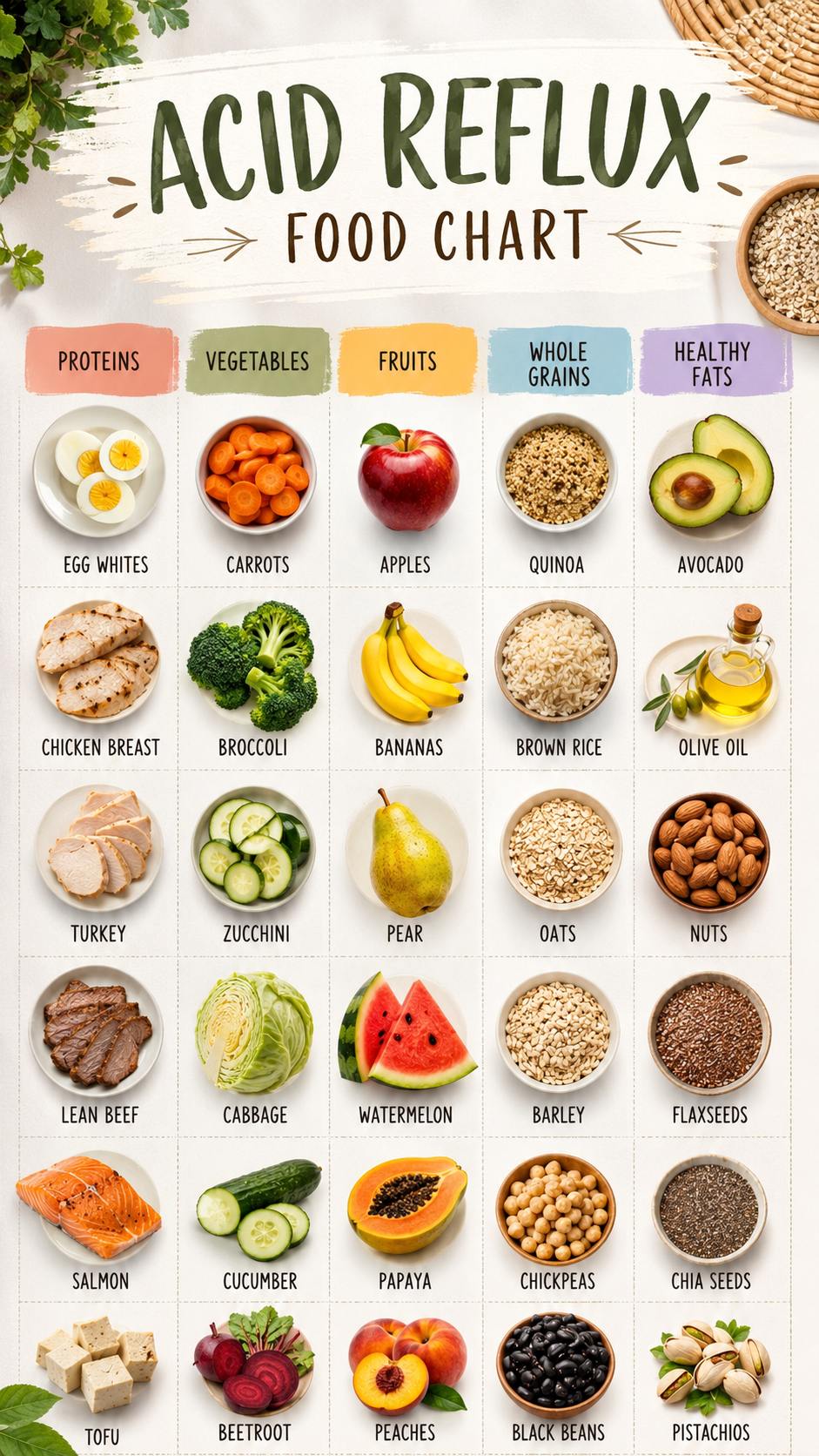
- Egg whites provide high-quality protein with minimal fat.
- Chicken breast is versatile and works well in many healthy recipes.
- Turkey offers lean protein for lunches and dinners.
- Lean beef can be included in moderation when trimmed of excess fat.
- Salmon provides protein along with beneficial omega-3 fatty acids.
- Tofu is a plant-based option that fits many healthy meal plans.
Preparing proteins through baking, grilling, steaming, or roasting instead of deep frying may further support digestive wellness.
Simple Protein Meal Ideas
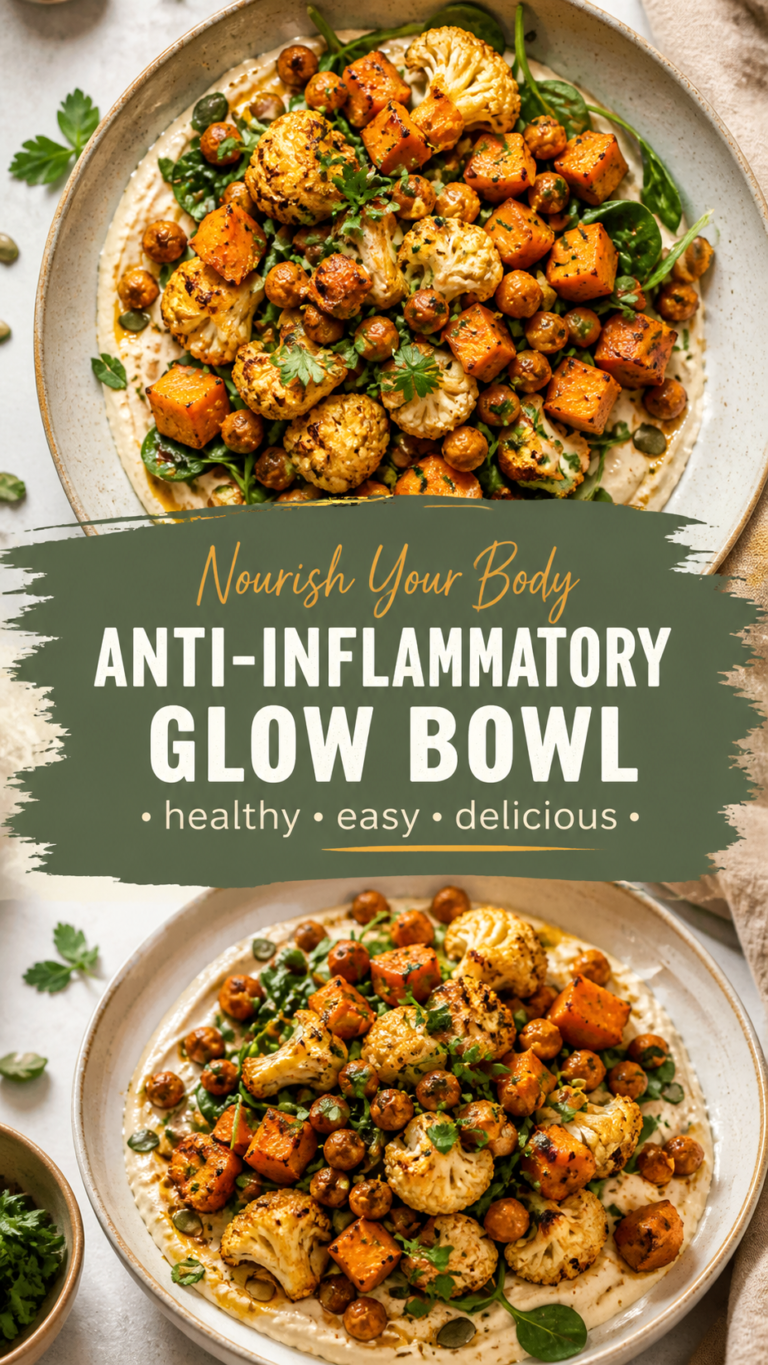
- Grilled chicken with roasted vegetables
- Baked salmon with brown rice
- Turkey and cucumber lettuce wraps
- Tofu stir-fry with broccoli and zucchini
Vegetables That Support Balanced Eating
Vegetables are a cornerstone of a healthy acid reflux meal plan. They provide vitamins, minerals, antioxidants, and fiber while naturally being low in calories.
Nutritious Vegetable Options
- Carrots
- Broccoli
- Zucchini
- Cabbage
- Cucumber
- Beetroot
These vegetables can be enjoyed raw, steamed, roasted, or added to soups and salads. Their versatility makes it easy to incorporate them into daily meals.
Why This Matters
- Vegetables help increase dietary fiber intake.
- Fiber supports healthy digestion and fullness.
- A colorful variety provides a broad range of nutrients.
Fruits Commonly Included in Reflux-Friendly Meal Plans
Fruit can be part of a healthy acid reflux diet when selected carefully. Many people find that lower-acid fruits are easier to tolerate than highly acidic varieties.
Popular Fruit Choices
- Apples
- Bananas
- Pears
- Watermelon
- Papaya
- Peaches
These fruits can be enjoyed as snacks, blended into smoothies, or incorporated into breakfast bowls and healthy desserts.
Pro Tip: Pair fruit with a source of protein or healthy fat, such as walnuts or chia seeds, to create a more balanced snack that may help maintain steady energy levels.
The Benefits of Whole Grains and Legumes
Whole grains and legumes are rich in complex carbohydrates and fiber. They provide sustained energy and can help create satisfying meals without relying on highly processed foods.
Whole Grains and Legumes to Include
- Quinoa
- Brown rice
- Oats
- Barley
- Chickpeas
- Black beans
These ingredients work well in grain bowls, soups, salads, and side dishes. They also contribute valuable nutrients that support overall health.
Easy Grain Bowl Formula
- Choose a base such as quinoa or brown rice.
- Add a lean protein source.
- Include two or three vegetables.
- Finish with a small amount of healthy fat.
- Season lightly according to personal tolerance.
Healthy Fats for Digestive Wellness
Healthy fats play an important role in nutrient absorption and overall wellness. However, portion size matters because excessive fat intake may contribute to reflux symptoms in some individuals.
Nutritious Fat Sources
- Avocado oil
- Pistachios
- Walnuts
- Olive oil
- Flaxseeds
- Chia seeds
Using these foods in moderation allows you to enjoy their nutritional benefits while maintaining a balanced eating pattern.
Important: Healthy fats are valuable additions to meals, but portion control remains essential. Small servings often provide nutritional benefits without making meals excessively heavy.
Building an Acid Reflux-Friendly Daily Menu
Creating a practical meal plan becomes easier when combining foods from each category. Variety ensures nutritional balance while keeping meals enjoyable.
Breakfast
Oatmeal topped with banana slices, chia seeds, and diced peaches.
Lunch
Grilled chicken breast with quinoa, cucumber, and shredded cabbage.
Snack
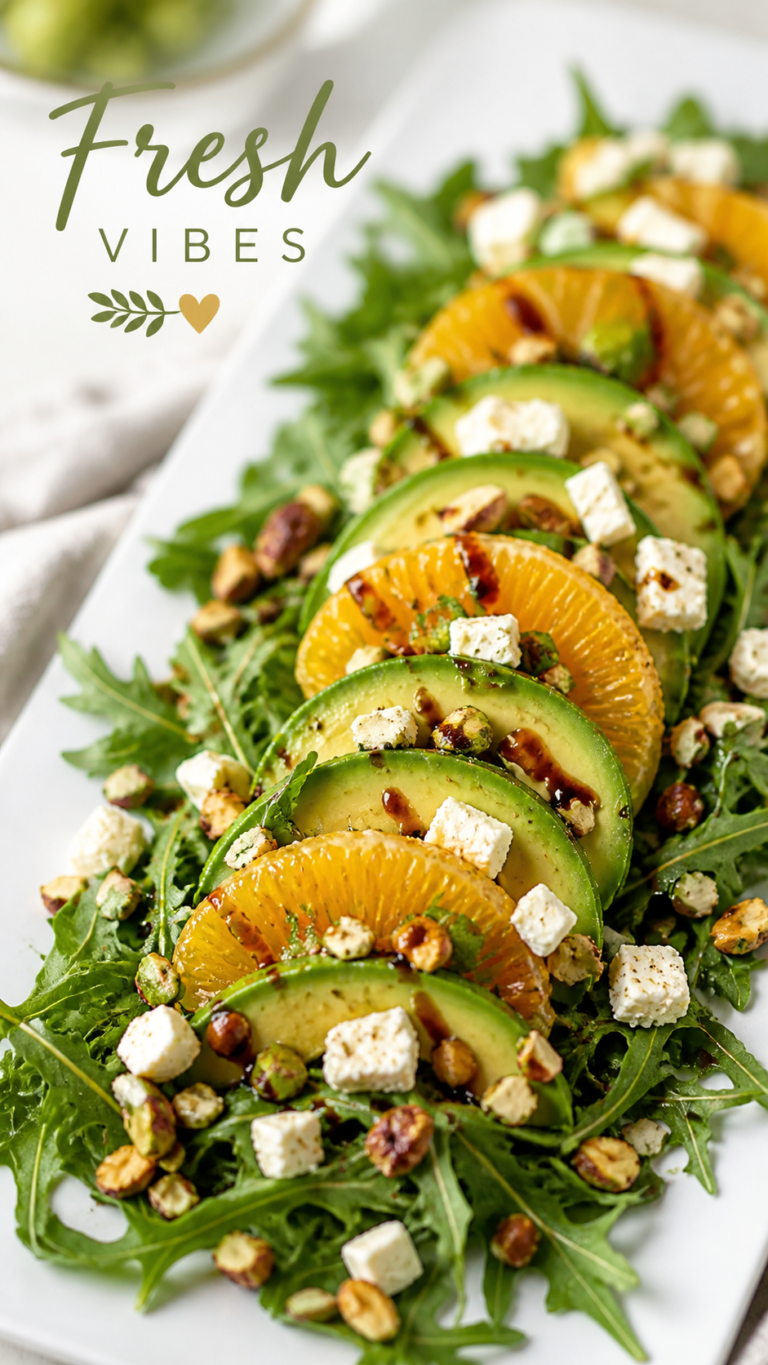
Pear slices with a small handful of pistachios.
Dinner
Baked salmon served with broccoli, carrots, and brown rice.
Lifestyle Tips That Complement a Healthy Diet
Food choices are important, but daily habits can also influence reflux symptoms. Combining a healthy eating pattern with supportive lifestyle practices often produces the best results.
- Eat smaller, more frequent meals when appropriate.
- Avoid lying down immediately after eating.
- Stay hydrated throughout the day.
- Maintain a healthy weight when possible.
- Pay attention to personal trigger foods.
Pro Tip: Keeping a simple food journal can reveal patterns between specific meals and symptoms, helping you personalize your reflux-friendly eating plan.
At a Glance
- Choose lean proteins for balanced meals.
- Fill your plate with fiber-rich vegetables.
- Enjoy lower-acid fruits as nutritious snacks.
- Include whole grains and legumes regularly.
- Use healthy fats in sensible portions.
Conclusion
An acid reflux-friendly eating plan does not have to be complicated. By focusing on wholesome foods such as lean proteins, nutrient-rich vegetables, gentle fruits, whole grains, legumes, and healthy fats, you can build meals that support both digestive comfort and overall wellness. Small, consistent dietary improvements often make a meaningful difference over time.
Whether you are preparing breakfast, planning lunches, or creating satisfying dinners, keeping these food groups at the center of your plate can help simplify healthy eating. With thoughtful meal choices and supportive lifestyle habits, maintaining a balanced approach to acid reflux management becomes far more achievable and enjoyable.
Tags
Acid Reflux Diet GERD Friendly Foods Healthy Recipes Digestive Health Whole Foods Meal Planning Gut Health Healthy Eating