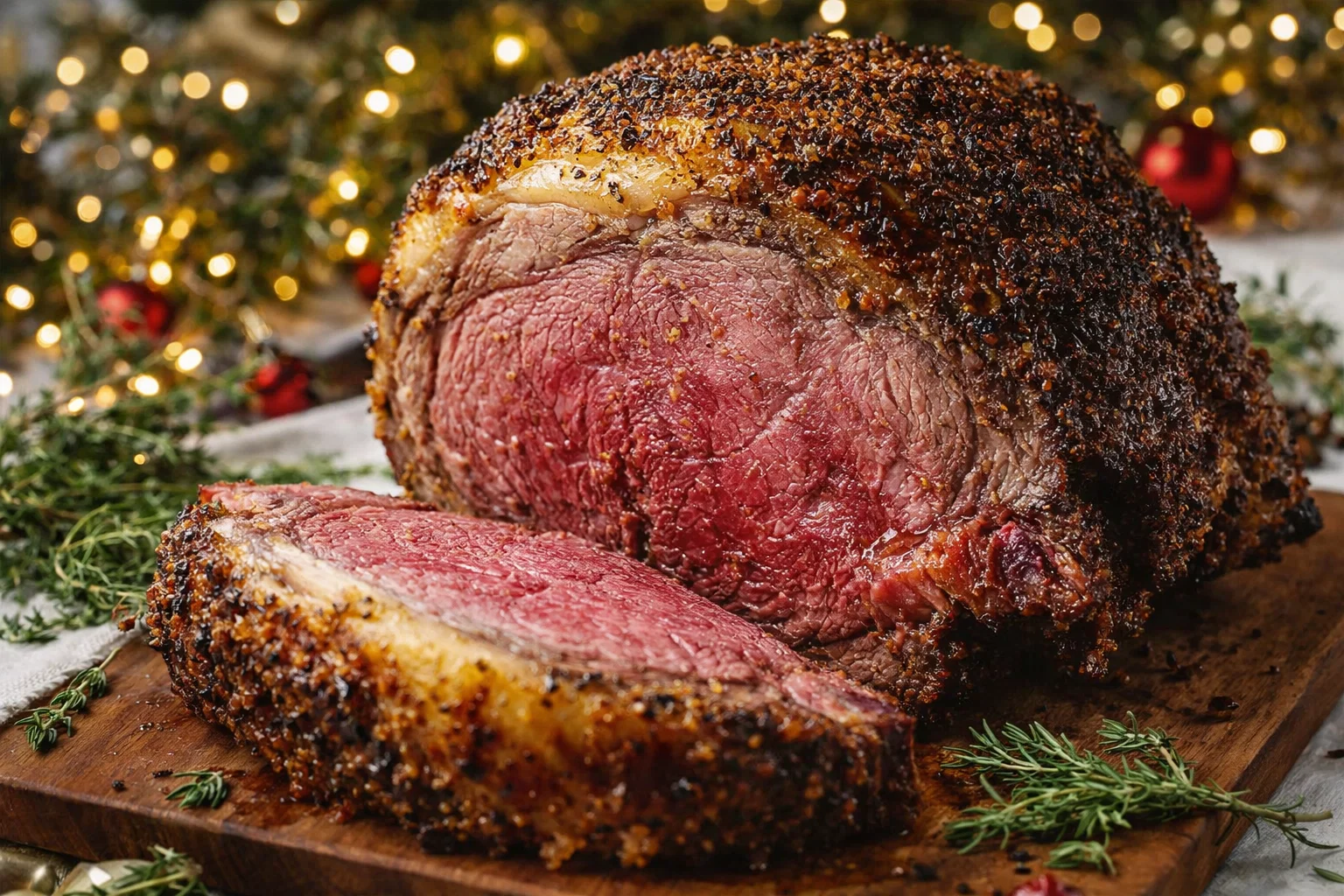
Christmas Prime Rib Recipe Juicy Tender Holiday Showstopper for Dinner
Christmas Prime Rib Recipe: Juicy & Tender Holiday Showstopper for Dinner: A Tropical Delight
Introduction to Christmas Prime Rib Recipe: Juicy & Tender Holiday Showstopper for Dinner
Christmas is a time for celebration, coming together with family and friends, and, of course, sharing hearty, satisfying meals. Among the many dinner recipes suitable for this festive occasion, few can compare to a perfectly prepared prime rib. This Christmas Prime Rib Recipe not only guarantees juicy, tender meat bursting with flavor but also offers ease of preparation, making it a fantastic choice for home cooks of all levels.
Imagine the warmth of your kitchen filled with the savory aromas wafting from the oven. This showstopper dish is deceptively simple yet expertly crafted; it combines a few high-quality ingredients to create an unforgettable sensory experience. Ideal for busy parents, newlyweds, or any culinary novice, this recipe accommodates various dietary preferences, including gluten-free options and suggestions for those preferring leaner meat.
Opting for a prime rib this holiday season means choosing a dish that is both impressive and practical. Its inherent richness and tenderness provide a wonderful contrast to lighter side dishes, creating a balanced dining experience for your guests. Whether you’re entertaining a crowd or enjoying an intimate family dinner, this Christmas Prime Rib recipe promises to be a highlight of your festive feast!
Benefits and Advantages of Christmas Prime Rib Recipe: Juicy & Tender Holiday Showstopper for Dinner
This Christmas Prime Rib Recipe stands out among typical dinner recipes for several reasons. First and foremost, the preparation of the prime rib itself is straightforward, allowing even beginner cooks to master it. With minimal steps and ingredient lists that prioritize quality over quantity, anyone can bring this festive masterpiece to their table.
The primary benefits include:
-
Flavor Explosion: Prime rib is naturally rich in flavor due to its marbling, which melts into the meat during cooking, ensuring each bite is juicy and packed with taste. By using fresh herbs and spices, you can further elevate its profile without excessive ingredients.
-
Nutritional Value: Prime rib is not just delicious; it’s also a great source of protein. Each serving provides a significant amount of essential nutrients such as zinc, iron, and B vitamins, which are vital for energy and maintaining muscle mass.
-
Dietary Flexibility: This recipe can easily accommodate various dietary needs. For instance, it can be paired with low-carb sides for ketogenic dieters or served with roasted vegetables for those following a vegetarian lifestyle. Additionally, by selecting leaner cuts or adjusting the cooking method, calorie-conscious individuals can still enjoy the delightful flavors of prime rib.
-
Time Efficiency: With cooking times that can be mostly unattended, busy parents or professionals can prepare this dish in advance and spend more time enjoying the holidays rather than fussing in the kitchen.
Ultimately, the Christmas Prime Rib recipe is perfect for anyone, from food enthusiasts looking to wow their guests to working professionals needing a simple yet impressive dish. The balance between its indulgent taste and relatively simple preparation makes it a timeless choice for festive dinners.
Ingredients Overview
Essential Ingredients for Christmas Prime Rib Recipe: Juicy & Tender Holiday Showstopper for Dinner
To make your Christmas Prime Rib succulent and unforgettable, gather the following essential ingredients:
- Prime Rib Roast (4 to 6 pounds) – This is the star of your dinner recipes. A bone-in cut is recommended for added flavor.
- Kosher Salt (2 tablespoons) – Essential for seasoning, it draws out moisture and concentrates flavor.
- Black Pepper (1 tablespoon, freshly ground) – Adds depth and spice, balancing the richness of the rib.
- Fresh Garlic (4-6 cloves, minced) – Infuses your meat with aromatic flavor and health benefits.
- Fresh Rosemary (2 tablespoons) – Adds a fragrant herbal note, easily obtainable in both fresh and dried forms.
- Fresh Thyme (2 tablespoons) – A classic pairing with beef that enhances the natural meat flavors.
- Olive Oil (2 tablespoons) – Helps to create a beautiful crust on the roast.
- Beef Broth (1 cup) – For basting and creating a flavorful au jus.
Optional Dietary Ingredients:
- Vegan Option: For a plant-based alternative, consider using a portobello mushroom cap or a whole cauliflower roasted with the same seasoning.
- Gluten-Free Option: Ensure all broth and seasoning ingredients are certified gluten-free, and consider serving with gluten-free sides.
- Low-Calorie Option: Trim excess fat from the prime rib and consider a smaller cut or substituting with leaner beef.
Dietary Substitutions to Customize Your Christmas Prime Rib Recipe: Juicy & Tender Holiday Showstopper for Dinner
Adapting this prime rib recipe to cater to various dietary requirements is straightforward. Here are some suggested substitutions:
- Herbs: If fresh herbs aren’t available, use dried versions. However, remember to reduce the quantity, as dried herbs are more concentrated.
- Salt: For those on a low-sodium diet, opt for a salt substitute or simply reduce the amount used — you can always add more during the serving stage.
- Cooking Method: For a healthier alternative, consider cooking your prime rib in an air fryer, which reduces fat content and helps maintain moisture.
- Side Dishes: Instead of traditional mashed potatoes, offer a cauliflower mash or a colorful vegetable medley for a lighter, nutrient-dense option.
Overall, these substitutions ensure that anyone can join in on the festive feast, regardless of their dietary needs!
How to Prepare the Perfect Christmas Prime Rib Recipe: Juicy & Tender Holiday Showstopper for Dinner: Step-by-Step Guide
Preparing the perfect Christmas prime rib requires some attention to detail, but with this easy step-by-step guide, you will create a holiday showstopper that dazzles! The following steps outline how to produce juicy, tender meat that pairs beautifully with your favorite side dishes.
-
Select Your Roast: Choose a high-quality prime rib roast from your butcher or grocery store. Ensure it has good marbling, which contributes to flavor and tenderness.
-
Bring to Room Temperature: Before cooking, allow your roast to sit at room temperature for 1-2 hours. This will ensure even cooking throughout the cut.
-
Preheat the Oven: Preheat your oven to 450°F (232°C). The initial high temperature helps to create a crispy crust.
-
Season Generously: In a bowl, mix together the kosher salt, black pepper, minced garlic, chopped rosemary, thyme, and olive oil. Rub this seasoning all over the roast, ensuring it penetrates the meat thoroughly.
-
Place in Roasting Pan: Position the roast bone side down in a roasting pan. This allows for better airflow and ensures even cooking.
-
Roast Initially: Place the prime rib in the preheated oven and roast for 20 minutes at 450°F (232°C). This high heat helps develop a flavorful crust.
-
Reduce Heat: After 20 minutes, reduce the oven temperature to 325°F (163°C) and cook for approximately 1.5 to 2 hours for medium-rare perfection. A meat thermometer should read at least 130°F (54°C) when done.
-
Baste Halfway Through: For extra flavor and moisture, baste the roast with the beef broth halfway through the cooking time.
-
Rest the Roast: Once the desired temperature is reached, remove the roast from the oven and tent it loosely with aluminum foil. Let it rest for at least 20 minutes; this allows the juices to redistribute throughout the meat.
-
Carve and Serve: Using a sharp knife, carve the roast against the grain into thick slices. Serve with your favorite sides and the pan juices or au jus.
By following these precise steps, you’ll ensure that your Christmas Prime Rib is the star of the holiday table. You can adapt each step as needed to cater to dietary preferences, such as roasting vegetables alongside or choosing to serve with lighter sauces.
Mastering Christmas Prime Rib Recipe: Juicy & Tender Holiday Showstopper for Dinner: Advanced Tips and Variations
Mastering your Christmas Prime Rib doesn’t stop at the basic recipe. Here are advanced tips and creative variations to elevate this holiday classic:
-
Reverse Sear Method: For an even better crust, consider trying the reverse-sear technique. Start by cooking the prime rib at a low temperature (around 225°F or 107°C) until almost reached your desired doneness, then sear it in a hot oven or skillet to finish. This technique results in a juicy center and a crispy outer crust.
-
Herb Butter Crust: Create an herb butter spread by mixing softened butter with chopped garlic, rosemary, thyme, and a hint of lemon juice. Rub this under the roast’s surface before seasoning for an extra flavor boost.
-
Chunky Gravy: Turn the drippings from your roasting pan into a thick gravy by sautéing onions and mushrooms, then adding the beef drippings, broth, and a roux to thicken. This complementary sauce can elevate your meal further.
-
Wine Pairing: Consider accompanying your meal with a robust red wine like a Cabernet Sauvignon or Merlot. The tannins in red wine harmonize well with the richness of the beef and enhance the overall dining experience.
These advanced techniques and variations can help you take your prime rib to the next level, making your holiday dinner recipes unforgettable.
How to Store Christmas Prime Rib Recipe: Juicy & Tender Holiday Showstopper for Dinner: Best Practices
When preparing a delicious Christmas Prime Rib, it’s important to know how best to store any leftovers. Proper storage ensures the longevity of your meat and retains its sumptuous flavor. Here’s how to do it:
-
Refrigeration: After your prime rib has cooled to room temperature, store any leftovers in an airtight container in the refrigerator. It should be consumed within 3-4 days.
-
Freezing: If you plan to keep your prime rib longer, consider slicing it into portions and wrapping each piece tightly in plastic wrap. Then, place it in a freezer-safe bag or container before storing it in the freezer. Properly stored, cooked prime rib can last up to 6 months in the freezer.
-
Reheating: When ready to enjoy your leftovers, reheat the prime rib in the oven for the best results. Preheat the oven to 250°F (121°C), place the roast on a baking dish, cover it with foil, and reheat until warmed through. This gentle method helps keep the meat juicy.
By following these best practices for storage, you can ensure that your holiday prime rib remains delicious and nutritious, even after the festivities have ended.
Nutritional Value of Christmas Prime Rib Recipe: Juicy & Tender Holiday Showstopper for Dinner
Understanding the nutritional profile of your Christmas Prime Rib can assist those who are health-conscious but still wish to indulge. Here’s a general breakdown of the nutritional value per serving (approximately 3 oz of cooked prime rib):
- Calories: 250
- Protein: 24 g
- Total Fat: 18 g
- Saturated Fat: 7 g
- Cholesterol: 80 mg
- Sodium: 600 mg
- Carbohydrates: 0 g
- Fiber: 0 g
- Sugar: 0 g
- Iron: 3 mg (approximately 15% of the daily recommended intake for adults)
This nutritional summary indicates that prime rib is a protein powerhouse, offering essential nutrients while remaining low in carbohydrates. Opting for leaner cuts can further reduce calorie and fat intake, making it suitable for various dietary considerations, including low-carb diets.
By being mindful of portion sizes and side dishes, you can enjoy this delectable holiday dish without compromising your health goals!
FAQs: Frequently Asked Questions About Christmas Prime Rib Recipe: Juicy & Tender Holiday Showstopper for Dinner
Q1: Can I use a different cut of beef for this recipe?
Absolutely! While prime rib is the traditional choice for special occasions, you can also use cuts like ribeye or sirloin for a similar flavor profile. Just be sure to adjust cooking times and temperatures based on the cut’s thickness and fat content.
Q2: How do I know when my prime rib is done?
The best way to check doneness is by using a meat thermometer. For a medium-rare finish, look for an internal temperature of about 130°F (54°C). Remember, the meat will continue to cook while resting, so remove it from the oven a little earlier than the target temperature.
Q3: What are ideal side dishes to serve with my Christmas Prime Rib?
Common accompaniments include roasted vegetables, creamy mashed potatoes, and rich gravy. For a healthier option, you could pair it with a fresh salad or steamed green beans.
Q4: Can I make this recipe in a slow cooker?
Yes! While it may not achieve the same crispy crust, you can cook your prime rib in a slow cooker for approximately 8-10 hours on low. Just be sure to season it well and add some beef broth to keep it moist.
Q5: How can I alter this recipe for a smaller gathering?
If you’re hosting a smaller group, consider using a smaller cut of prime rib (such as a 2-3 pound roast) and adjusting the cooking times accordingly. The seasoning and preparation methods remain the same.
By addressing these common questions, readers can be better equipped to tackle this delectable dish with confidence.
By following this comprehensive guide, you’ll create a Christmas Prime Rib that is not only a highlight of your holiday dinner but also a recipe that enthralls your guests while accommodating diverse dietary needs. With simple instructions, tips, and nutritional guidance, this holiday showstopper will inspire you to embrace culinary traditions during the festive season!