Classic Margherita Pizza
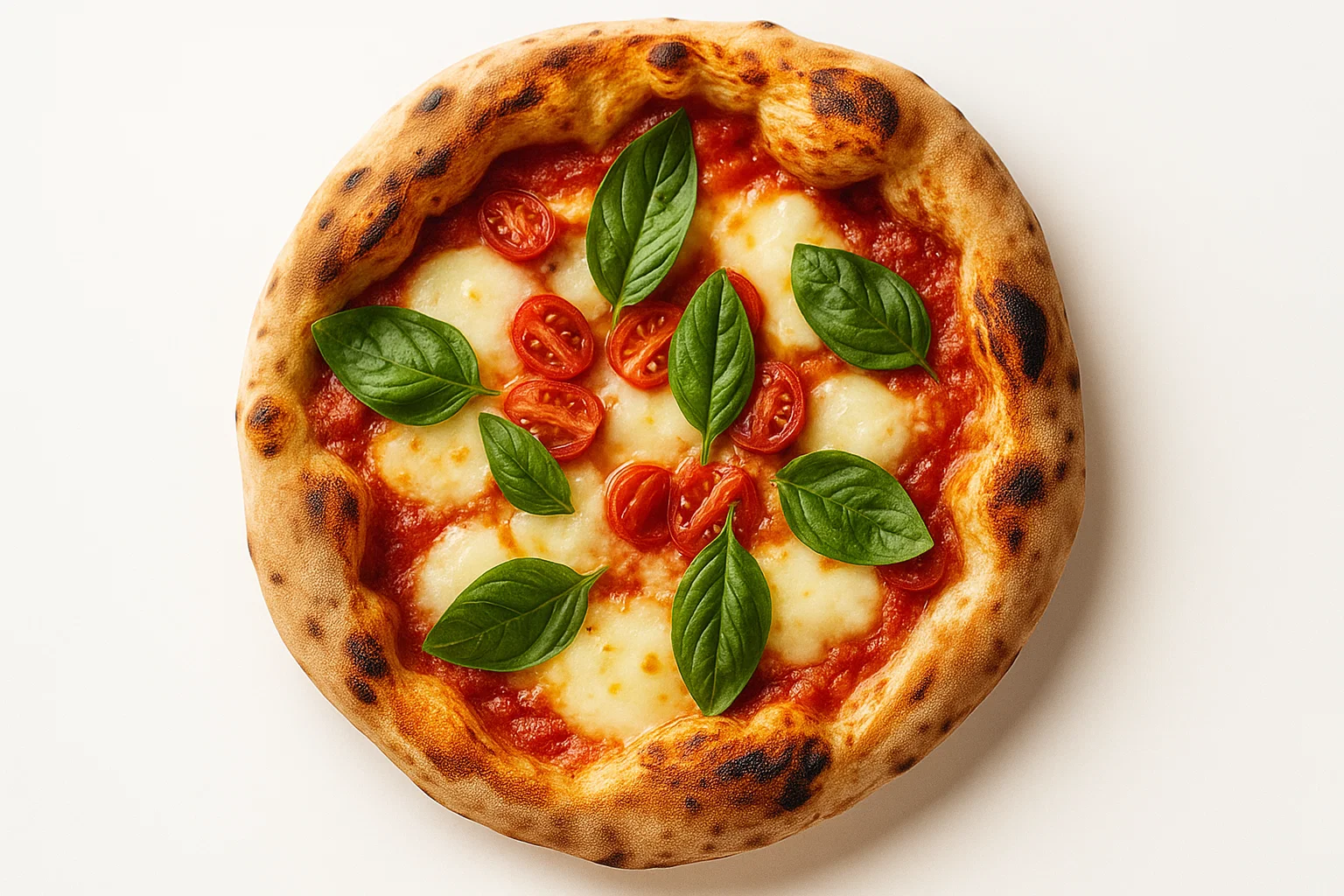
There’s something undeniably captivating about a classic Margherita pizzathe vibrant red of the tomatoes, the lush green of basil, and the creamy white mozzarella melting in perfect harmony. When served on a rustic wooden platter or a colorful dish, the photo immediately transports you to a cozy Italian pizzeria. This top view photo of classic Margherita pizza not only shows off the aesthetic allure of this beloved dish but also embodies the simplicity and elegance that Italian cuisine is known for.
For many home cooks, creating a Margherita pizza can feel like a culinary rite of passage. It’s more than just a meal; it’s an experience filled with aroma, flavor, and heartfelt moments shared with family and friends. In this guide, we’ll not only reveal how to prepare this iconic pizza but will also dive deeper into the art of capturing its beauty in a top view photo. So, whether you’re a busy parent seeking an easy dinner option, a novice looking to impress your friends, or a seasoned chef wanting to refine your skills, this resource is designed just for you.
Prepare your taste buds for a delightful journey as we explore the humble yet magical world of pizza. With every bite of your homemade Margherita pizza, you’ll experience the love and tradition that makes this dish a true classic.
Benefits and Advantages of Classic Margherita Pizza:
Creating and photographing a classic Margherita pizza presents many benefits beyond just pleasure for the palate. Here are some compelling reasons why this dish ought to take center stage in both your kitchen and your Instagram feed.
Aesthetic Appeal
The top view photo of Margherita pizza allows the ingredients to shine. It showcases the vibrant colors and natural beauty of fresh ingredients, making it visually appealing. Whether you are looking to enhance your food blog or simply want beautiful images for your social media, this pizza is a perfect subject.
Simplicity and Accessibility
One of the best things about Margherita pizza is its simplicity. With just a handful of ingredients, it allows even novice cooks to shine. You don’t need to be a culinary expert to create something that looks and tastes divine. This accessibility encourages home cooks to experiment with pizza-making, leading to newfound confidence in the kitchen.
Nostalgic Connection
Margherita pizza has roots that go deep into Italian culture, often representing a sense of home and tradition. Sharing this pizza with family or friends can evoke cherished memories and create new ones, making it more than just a meal. It becomes a vehicle for connection and love.
Health-Conscious Choice
With fresh ingredients like tomatoes and basil, Margherita pizza can be a healthier option compared to many other types of pizza. The use of quality ingredients allows you to control what goes into your meal, accommodating various dietary choices, such as vegetarian or gluten-free diets.
Versatility
While the classic recipe is timeless, Margherita pizza serves as a blank canvas for creativity. You can easily adapt it to fit various dietary preferences or seasonal ingredients. The ability to customize your pizza keeps things exciting, encouraging repeated attempts and variations.
In sum, a top view photo of classic Margherita pizza captures not just the beauty of the dish but also its rich legacy and versatility. This makes it a rewarding choice for any meal or occasion.
Ingredients Overview
Essential Ingredients for Classic Margherita Pizza:
Creating the perfect Margherita pizza requires high-quality ingredients. Here’s what you’ll need:
- Pizza Dough (1 lb): This forms the foundation of your pizza. A good dough provides structure and a chewy texture. You can make it from scratch or buy pre-made.
- Tomato Sauce (1/2 cup): Fresh tomato sauce is ideal! Use San Marzano tomatoes for a burst of natural sweetness that pairs beautifully with basil and mozzarella.
- Fresh Mozzarella Cheese (8 oz): Opt for high-quality, fresh mozzarella for a creamy texture. It melts beautifully and adds a rich, milky flavor.
- Fresh Basil Leaves (a handful): These aromatic leaves add a fresh flavor that complements the tomato and mozzarella. They’re essential for that classic Margherita taste.
- Extra Virgin Olive Oil (1-2 tablespoons): A drizzle of high-quality olive oil before serving enhances the pizza’s flavor and richness.
- Salt (to taste): Simple, yet crucial for enhancing all the flavors.
Each ingredient plays a pivotal role in achieving the perfect Margherita pizza, ensuring that every bite is a piece of heaven.
Dietary Substitutions to Customize Your Classic Margherita Pizza:
If you or your guests have dietary restrictions, don’t worry! Margherita pizza can easily be adapted.
Gluten-Free Option:
For gluten-free dough, use a store-bought gluten-free pizza crust or make your own using gluten-free flour alternatives like almond flour or coconut flour.
Vegan Option:
To make a vegan Margherita pizza, you can swap out the mozzarella for a plant-based cheese or create a cashew cheese blend. Additionally, ensuring the dough is yeast-based (as many store-bought options may contain dairy) is key.
Low-Calorie Option:
To lighten things up, consider stretching the dough thinner and using part-skim mozzarella. You can also load up on veggies like zucchini or peppers for added nutrition with minimal calories.
By incorporating these substitutions, you can cater the classic Margherita pizza to fit various dietary needs while retaining its deliciousness.
How to Prepare the Perfect Classic Margherita Pizza: Step-by-Step Guide:
Making a classic Margherita pizza at home can be an incredibly fulfilling experience. Follow these steps for a delicious outcome:
First Step: Prepare the Dough
Begin by allowing your pizza dough to come to room temperature if it’s been refrigerated. This ensures better elasticity. If you’re making homemade dough, mix flour, yeast, and warm water in a bowl until combined. Knead for about 10 minutes until smooth and elastic.
Second Step: Shape the Dough
Once ready, lightly flour your surface and stretch or roll the dough out into a 12-inch circle. Ensure the edges are slightly thicker to hold your toppings.
Third Step: Preheat the Oven
Set your oven to the highest temperature, usually around 500°F (260°C). For an optimal pizza crust, consider placing a pizza stone or baking sheet in the oven while it preheats.
Fourth Step: Make the Sauce
If using canned tomatoes, crush them by hand in a bowl. Add salt and let it sit for 10-15 minutes. If you want a smoother sauce, blend it in a food processor with a touch of olive oil.
Fifth Step: Add the Tomato Sauce
Once your dough is shaped, transfer it to a pizza peel or lightly greased baking sheet. Spread a thin layer of tomato sauce over the base. Avoid too much sauce to keep the dough from becoming soggy.
Sixth Step: Layer the Mozzarella
Tear the fresh mozzarella into pieces and distribute them evenly over the sauce. Aim for an even spread to ensure every bite has cheese!
Seventh Step: Sprinkle with Basil
Place several fresh basil leaves atop the cheese, as they will wilt while baking, infusing the pizza with their aroma and flavor.
Eighth Step: Bake the Pizza
Slide your pizza into the preheated oven. Bake for 8-10 minutes or until the crust is golden brown and the cheese is bubbling and slightly browned.
Ninth Step: Drizzle with Olive Oil
As soon as you take the pizza out, drizzle it with olive oil, then sprinkle with a pinch of salt. This elevates the dish and adds an extra layer of flavor.
Tenth Step: Slice and Serve
Let the pizza sit for a couple of minutes before slicing. This helps the cheese set slightly for easier cutting. Pair with a fresh arugula salad or a glass of red wine for an unforgettable experience.
Mastering Classic Margherita Pizza: Advanced Tips and Variations:
Once you master the classic method, here are some advanced tips and variations to elevate your pizza game:
Experiment with Gourmet Toppings
While Margherita is a classic, you can experiment with gourmet toppings. Add caramelized onions, prosciutto, or truffle oil for a luxurious twist.
Play with Flavors
Consider incorporating different herbs, such as oregano or thyme, to switch up the flavor profile. You could also try a garlic-infused olive oil for drizzling; it adds a contrasting taste to the fresh ingredients.
Explore Different Cheeses
While mozzarella is traditional, blending it with other cheeses like fontina or burrata can bring depth to the flavor and richness of your pizza.
Seasonal Ingredients
Seasonal produce such as arugula, mushrooms, or heirloom tomatoes can enhance your pizza while aligning with what’s fresh and available.
These variations can make your Margherita pizza unique while still retaining that nearly-perfect structure and earthy taste that we love.
How to Store Classic Margherita Pizza: Best Practices:
To preserve the quality of your Margherita pizza, proper storage is important. Here’s how to do it:
Refrigeration
If you have leftover pizza, allow it to cool completely, then store it in an airtight container in the refrigerator. This will keep it fresh for up to 3 days.
Reheating
When you’re ready to enjoy your leftovers, reheating can be done in the oven. Preheat it to 375°F (190°C), place the pizza on a baking sheet, and warm it for about 10 minutes until the cheese is melted and the crust is fresh again.
Freezing
For longer storage, consider freezing your pizza. Wrap individual slices tightly in plastic wrap, followed by aluminum foil, to prevent freezer burn. This can extend the shelf life for up to 2 months. To reheat, bake directly from the freezer until heated through.
By employing these best practices, you ensure that your Margherita pizza remains delicious and inviting, no matter when you decide to indulge again.
Nutritional Value of Classic Margherita Pizza:
Understanding the nutritional aspects of your homemade Margherita pizza can help you appreciate it even more. Below is a breakdown of the nutritional value per serving (1 slice, assuming 8 slices per pizza):
| Nutritional Component | Amount per Serving |
|---|---|
| Calories | 250 |
| Total Fat | 10g |
| Saturated Fat | 5g |
| Protein | 12g |
| Carbohydrates | 30g |
| Dietary Fiber | 2g |
| Sugars | 2g |
Margherita pizza can be a balanced option, offering carbohydrates for energy and protein for muscle repair while keeping fat levels moderate. The fresh herbs and sauce add essential nutrients, making it a wholesome meal.
FAQs: Frequently Asked Questions About Classic Margherita Pizza:
Q: Can I use store-bought pizza dough?
A: Absolutely! Store-bought dough can save you time and effort while still delivering great results.
Q: What type of tomatoes should I use?
A: San Marzano tomatoes are highly recommended for their rich flavor, but any high-quality canned crushed tomatoes will work.
Q: Can I prepare the dough ahead of time?
A: Yes, you can make the dough a day in advance. Just store it in an airtight container in the refrigerator.
Q: How can I make my pizza more flavorful without overwhelming it?
A: Focus on high-quality ingredients, and consider using fresh herbs or seasoning the crust with garlic or herbs for extra flavor.
By following these guidelines, you’ll be well on your way to not only mastering the art of crafting a classic Margherita pizza but also sharing its beauty through stunning top view photography. Each step leads to delightful flavors and heartfelt experiences that everyone can enjoy. Whether it’s a special occasion or a simple weeknight dinner, you will create memories that last a lifetimeone slice at a time! Enjoy your cooking journey, and here’s to many successful pizza nights ahead!