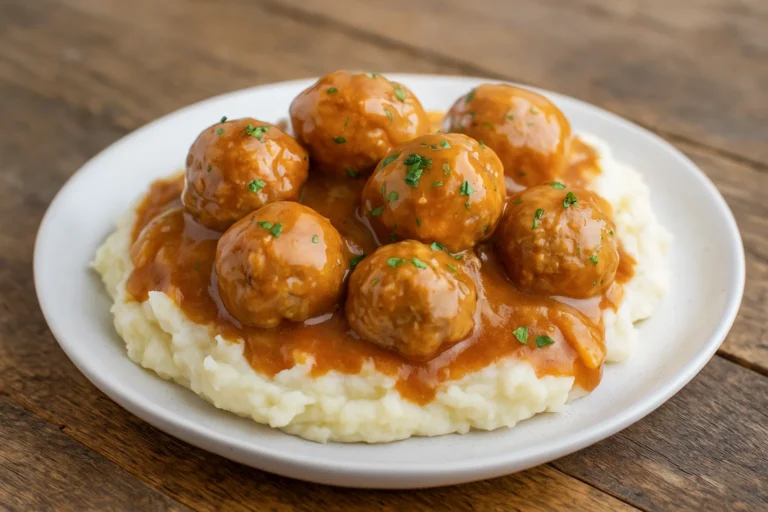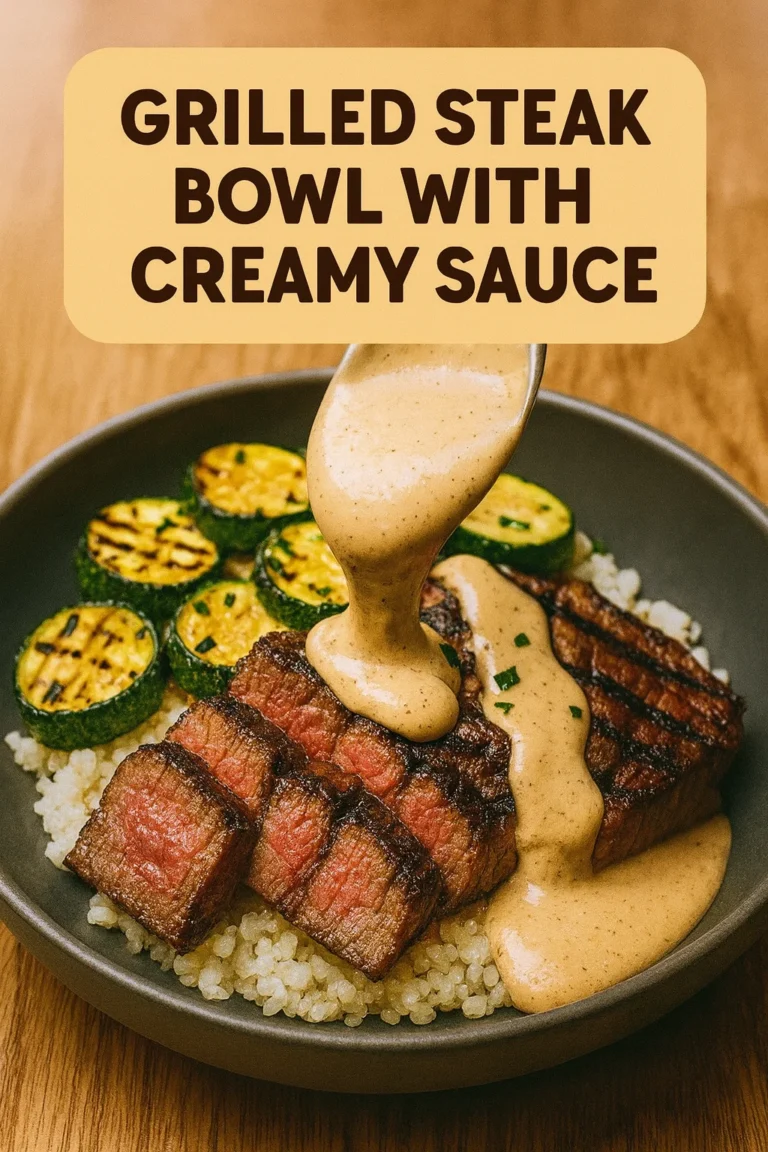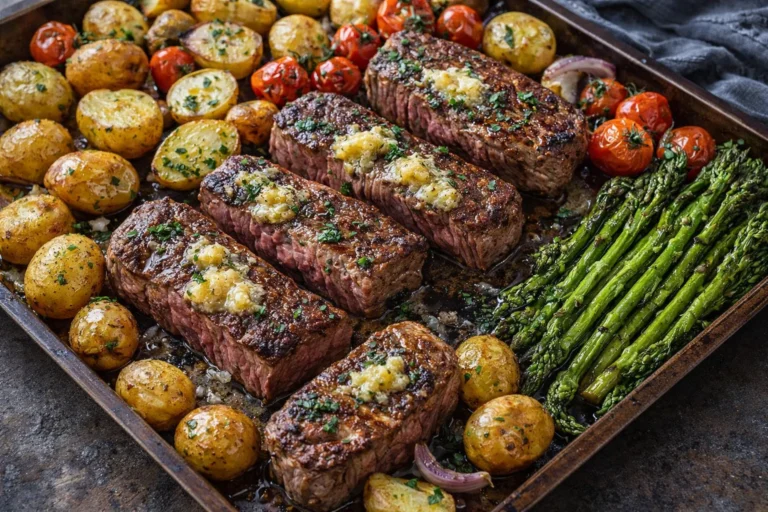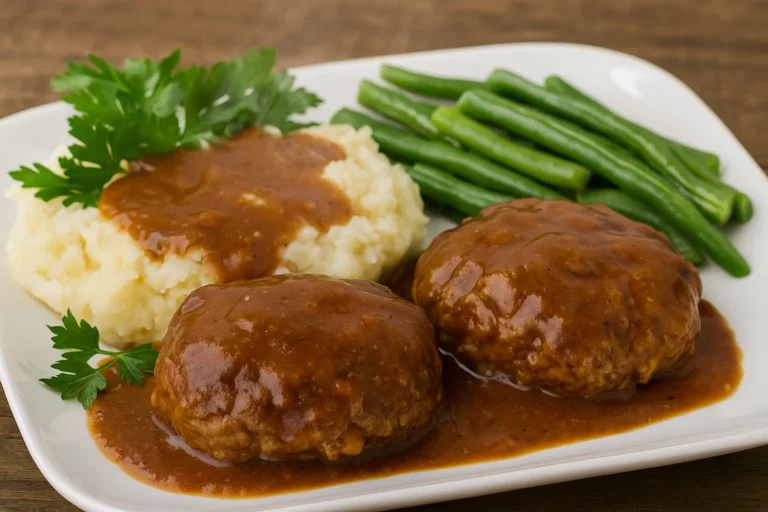
Poor Meatballs Steak
Introduction to Poor Meatballs Steak
Poor Meatballs Steak brings together comfort, thrift, and bold flavor in one simple dish. Within the first 100 words you’ll see that Poor Meatballs Steak serves as an affordable centerpiece for weeknight dinners, potlucks, and meal prep routines. This humble recipe transforms inexpensive ingredients into a satisfying meal that appeals to home cooks, busy parents, students, diet-conscious individuals, and food lovers alike. Also, the Poor Meatballs Steak concept adapts easily for vegan, gluten-free, and low-calorie needs, which makes it a versatile choice for many households.
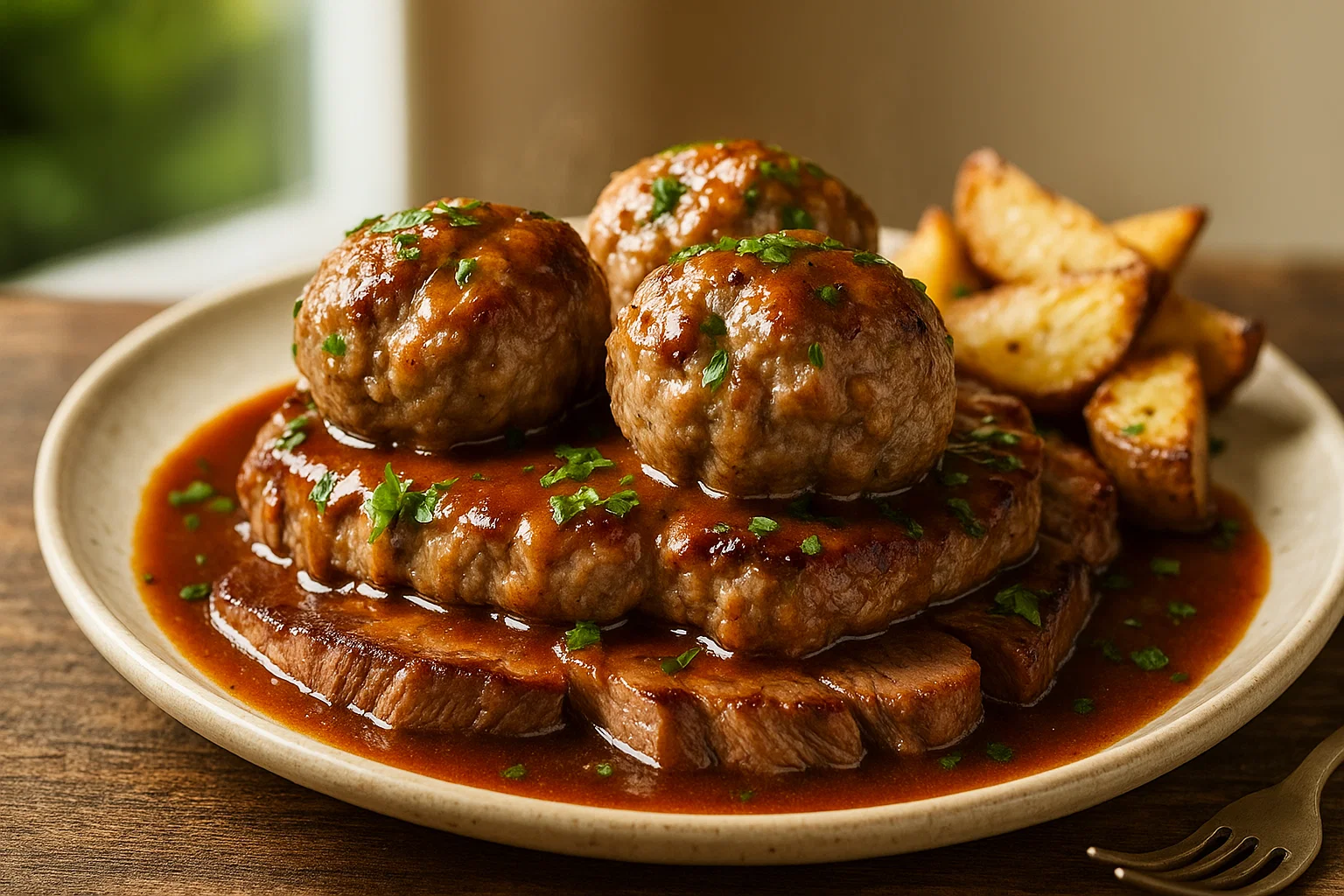
To put it plainly, Poor Meatballs Steak combines seasoned meatball-style patties with a steak-like presentation and savory sauce for maximum satisfaction. For those short on time, the recipe requires minimal hands-on prep and cooks quickly. Moreover, it provides a balanced plate when paired with vegetables, grains, or salads, so it fits within health-focused meal plans. Students and newlyweds will appreciate the low cost and straightforward technique, while seniors and working professionals will value the gentle cooking methods and leftovers that reheat well. Finally, travelers and food enthusiasts can tweak global spices to create variations inspired by different cuisines. Try Poor Meatballs Steak tonight to enjoy a frugal, flavorful, and flexible meal that wins on taste and practicality.
Benefits and Advantages of Poor Meatballs Steak
Poor Meatballs Steak stands out because it combines savings, nutrition, and simplicity. First, it uses budget-friendly ingredients that still deliver on taste, so families on a budget can enjoy a hearty main dish without overspending. Additionally, the preparation process streamlines tasks: you can mix, shape, and sear quickly, then finish in the oven or a covered skillet. Therefore, Poor Meatballs Steak reduces active cooking time, making it ideal for busy weeknights when families need fast, reliable dinners.
Furthermore, this dish adapts easily to dietary needs. For example, swap to lean ground turkey or chicken, and you reduce saturated fat and calories, which helps diet-conscious eaters. Alternatively, make a vegan Poor Meatballs Steak using seasoned lentils, chickpeas, or textured vegetable protein to retain the satisfying texture and flavor. Gluten-free readers can use gluten-free breadcrumbs or almond flour without losing the classic meatball binding. Thus, Poor Meatballs Steak supports many nutrition goals and food sensitivities.
Health benefits add to the appeal. When you choose lean proteins and bake or pan-sear with minimal oil, Poor Meatballs Steak becomes a source of high-quality protein and essential nutrients like iron and B vitamins. Pairing the dish with vegetables boosts fiber and vitamins, while using whole grains for sides adds long-lasting energy. Moreover, the recipe encourages mindful portioning because each patty resembles a single serving, which helps control calories for seniors and people monitoring intake.
Also, Poor Meatballs Steak shines as a versatile recipe for meal prep. You can double the batch, refrigerate portions, or freeze extras for quick lunches or dinners. Consequently, students and working professionals will save time and money. Finally, the flavor profile adapts wonderfully: add herbs for freshness, bold spices for heat, or tangy condiments for brightness. Overall, Poor Meatballs Steak offers affordability, nutrition, and adaptability, making it a reliable addition to any home cook’s repertoire.
Ingredients Overview
Essential Ingredients for Poor Meatballs Steak
- 1 1/2 pounds ground beef (80/20) : delivers flavor and juiciness; for leaner option use ground 93/7 or mix half beef and half turkey
- 1 cup plain breadcrumbs (use gluten-free breadcrumbs for GF) : helps bind meatballs and creates structure
- 1/2 cup finely grated onion (about 1 medium onion) : adds moisture and natural sweetness
- 2 large eggs : binders that provide tenderness; use flax eggs for vegan option (2 tbsp ground flax + 6 tbsp water)
- 1/4 cup grated Parmesan cheese (optional) : adds umami and depth; omit for vegan or dairy-free versions
- 2 cloves garlic, minced : brightens overall taste
- 2 teaspoons kosher salt : essential for seasoning through and through
- 1 teaspoon freshly ground black pepper : balances salt with mild heat
- 1 teaspoon smoked paprika : contributes smoky depth; substitute regular paprika if unavailable
- 1/2 teaspoon dried oregano : adds herbal notes; fresh basil works too if used at the end
- 3 tablespoons olive oil or neutral oil for searing : keeps patties from sticking and browns the exterior
- 1 cup low-sodium beef broth or vegetable broth : used for deglazing and making a light pan sauce
- 2 tablespoons Worcestershire sauce (omit for vegan; use soy sauce or tamari) : deepens savory flavor
- 1 tablespoon tomato paste : adds body and mild acidity to the sauce
- 1 tablespoon lemon juice or apple cider vinegar : brightens the finished dish
- Fresh parsley, chopped (2 tablespoons) : garnish and fresh herb note
Vegan option markers:
- Replace 1 1/2 pounds ground beef with 4 cups cooked lentils plus 1 cup mashed tofu or 2 cups textured vegetable protein rehydrated
- Use flax eggs instead of eggs
- Use nutritional yeast or plant-based grated cheese instead of Parmesan
Gluten-free option markers:
- Use 1 cup gluten-free breadcrumbs or 1 cup ground oats (certified gluten-free)
- Ensure Worcestershire is gluten-free or substitute with tamari
Low-calorie option markers:
- Use ground turkey or chicken (1 1/2 pounds), reduce oil to 1 tablespoon, and bake instead of pan-searing
Dietary Substitutions to Customize Your Poor Meatballs Steak
- To make a vegan Poor Meatballs Steak, combine cooked lentils with ground flax egg, sautéed onions, garlic, gluten-free breadcrumbs, and a tablespoon of tomato paste for cohesion. Season well, shape into patties, and pan-sear gently in a nonstick skillet with a little oil. Then finish with vegetable broth and tamari for a savory glaze.
- For a gluten-free Poor Meatballs Steak, swap regular breadcrumbs with almond flour or certified gluten-free panko. Keep eggs or use a flax binder if preferred, and confirm that condiments like Worcestershire sauce are gluten-free or use tamari.
- To lower calories and saturated fat, use 1 1/2 pounds ground turkey or chicken and bake the patties at 400°F for about 12–15 minutes instead of pan-frying. Additionally, use olive oil spray or just 1 tablespoon of oil to brown.
- If you need a nut-free gluten-free version, use ground oats or potato flakes as binders in place of almond flour.
- For dairy-free adaptations, omit Parmesan and increase umami by adding 1 tablespoon nutritional yeast or 1/2 teaspoon mushroom powder when available.
- To boost protein and fiber, fold in 1/2 cup cooked quinoa with the meat or plant-based mix; quinoa improves texture and nutrition without overpowering flavor.
Each substitution keeps the spirit of Poor Meatballs Steak intact while making the recipe accessible for varied dietary needs. Also, these swaps require minimal technique changes, so cooks of any skill level can adapt the recipe easily.
How to Prepare the Perfect Poor Meatballs Steak : Step-by-Step Guide
First Step: Gather and measure all ingredients for Poor Meatballs Steak. Prepare a clean workspace, preheat your oven to 375°F if finishing in the oven, and set out a rimmed baking sheet lined with parchment paper or a lightly oiled skillet. Also, have a small bowl of water on hand to wet your hands; this prevents sticking when shaping patties.
Second Step: Sauté the aromatics for Poor Meatballs Steak. Heat 1 tablespoon of olive oil in a medium skillet over medium heat, then add the grated onion and sauté for 3–4 minutes until translucent. Next, stir in the minced garlic and cook one minute until fragrant. Transfer the aromatics to a large mixing bowl and allow them to cool slightly; cooling prevents the eggs from scrambling when mixed.
Third Step: Combine the base mixture for Poor Meatballs Steak. Add the ground meat (or plant-based protein), breadcrumbs, eggs (or flax mixture), Parmesan (optional), salt, pepper, smoked paprika, and dried oregano to the mixing bowl. Use clean hands or a spatula to fold ingredients gently but thoroughly; overmixing can make patties dense, so mix until just combined. Also, at this stage taste a small pinch of the raw mix by frying a tiny piece quickly to adjust seasoning, especially if using lean meat or vegan substitutes.
Fourth Step: Shape the patties for Poor Meatballs Steak. Wet your hands and form the mixture into 8 to 10 patties, each roughly 1/2 inch thick and 3 to 4 inches wide to mimic a steak profile. Ensure even thickness for consistent cooking. Place formed patties on the prepared baking sheet or a plate while you heat the skillet.
Fifth Step: Sear the Poor Meatballs Steak patties. Heat 2 tablespoons of olive oil or neutral oil in a large skillet over medium-high heat until shimmering. Add the patties without crowding the pan and cook for 3–4 minutes on the first side until a golden-brown crust forms. Flip and sear the opposite side for another 2–3 minutes. Searing locks in flavor and creates the steak-like exterior that defines Poor Meatballs Steak.
Sixth Step: Finish cooking the Poor Meatballs Steak. If using an oven, transfer the seared patties to the preheated oven for 6–8 minutes for medium doneness; leaner meats may need less time. Alternatively, reduce heat to medium-low on the stove and cover the skillet, cooking for an additional 6–8 minutes until fully cooked through. For vegan patties, cook covered for 8–10 minutes to ensure firm texture.
Seventh Step: Make the pan sauce for Poor Meatballs Steak. After removing the patties, deglaze the skillet with 1 cup of low-sodium beef or vegetable broth, scraping browned bits with a wooden spoon. Then whisk in 1 tablespoon tomato paste, 2 tablespoons Worcestershire sauce (or tamari), and 1 tablespoon lemon juice or vinegar. Simmer for 2–3 minutes until the sauce reduces slightly and thickens. This sauce adds shine and deep flavor to your Poor Meatballs Steak.
Eighth Step: Finish and rest your Poor Meatballs Steak. Return the patties to the skillet and spoon the sauce over each one, allowing them to rest in the sauce for 2–3 minutes off heat. Resting helps redistribute juices, which keeps the patties moist. Garnish with chopped parsley before serving.
Ninth Step: Plate and serve Poor Meatballs Steak. Arrange patties on warmed plates and drizzle with pan sauce. Pair with steamed vegetables, mashed potatoes, whole-grain rice, or a crisp salad for a complete meal. Also, consider serving with lemon wedges or pickled vegetables for acidity that balances richness.
Tenth Step: Store leftovers for later meals. Allow cooked Poor Meatballs Steak to cool to room temperature for no more than two hours, then refrigerate in airtight containers for up to four days or freeze for up to three months. Reheat gently to preserve texture and flavor.
Throughout these steps, you can adapt Poor Meatballs Steak to various dietary needs. For example, choose plant-based protein in step three for a vegan version, use gluten-free crumbs in step three for GF compliance, or reduce oil in steps five and six for lower calorie cooking. Also, adjust cooking times based on patty thickness and protein type to achieve ideal textures.
Mastering Poor Meatballs Steak : Advanced Tips and Variations
To elevate your Poor Meatballs Steak, use a few chef tricks that increase flavor and consistency. First, chill the formed patties for 20–30 minutes before cooking; this step firms their shape, which prevents them from falling apart during searing. Next, mix your binders gently:overworked protein breaks down and yields dense patties, so fold just until combined for tender results. Also, use a thermometer to check doneness: aim for 160°F for traditional beef, 165°F for poultry, and 155–160°F for plant-based patties that include eggs or tofu for safety and texture.
Additionally, try a dry brine on your Poor Meatballs Steak. Sprinkle patties lightly with salt and refrigerate uncovered for up to an hour; then pat dry before searing to promote a crisp crust. For deeper flavor, incorporate a tablespoon of soy sauce or miso into the meat mixture:these small additions add savory detail without overpowering the main profile.
Experiment with global variations to keep Poor Meatballs Steak exciting. For Mediterranean flair, mix in chopped sun-dried tomatoes, fresh oregano, and crumbled feta; serve with tzatziki and lemony greens. For an Asian-inspired version, add grated ginger, scallions, and a splash of sesame oil; finish with a soy-ginger glaze and serve over steamed rice. To create a smoky barbecue take, fold in smoked paprika and chipotle powder, then glaze with your favorite BBQ sauce during the last two minutes of cooking.
For texture play, add finely chopped mushrooms or cooked quinoa to the Poor Meatballs Steak mix; mushrooms add umami while quinoa boosts fiber and protein. Also, for low-carb or keto adaptations, replace breadcrumbs with almond flour and serve the patties atop zoodles or cauliflower mash.
If you plan to batch-cook Poor Meatballs Steak for meal prep, freeze raw patties individually on a tray, then transfer to a sealed freezer bag. You can cook from frozen in a covered skillet, adding a few extra minutes per side. Conversely, freeze cooked patties for quick reheating; thaw overnight in the fridge or reheat from frozen in a covered skillet with a splash of broth.
Finally, pay attention to plating and sauces. A bright chimichurri or fresh herb salsa can drastically lift Poor Meatballs Steak, adding freshness and balancing richness. Also, use finishing salts or a squeeze of citrus to introduce contrasting elements, which makes each bite more interesting.
How to Store Poor Meatballs Steak : Best Practices
Proper storage keeps Poor Meatballs Steak safe and tasty for later meals. First, cool the cooked patties to room temperature for no more than two hours; then move them into shallow, airtight containers and refrigerate. Stored this way, refrigerated Poor Meatballs Steak lasts up to four days. Additionally, keep the sauce separate if you plan to reheat in a microwave to prevent soggy textures; add the sauce after reheating to maintain a fresh mouthfeel.
For longer storage, freeze Poor Meatballs Steak. Place cooled patties on a baking sheet lined with parchment and freeze for one to two hours until firm. Once solid, transfer the patties to labeled freezer-safe bags or containers with the date. Frozen Poor Meatballs Steak will keep well for up to three months. When ready to use, thaw in the refrigerator overnight. If you need to reheat from frozen, reheat gently in a covered skillet with a splash of broth and extra sauce to ensure even thawing and proper heating.
Reheating tips: If using a microwave, cover the patties with a damp paper towel, heat in short intervals (30–45 seconds), and check temperature to avoid overheating. For best texture, reheat Poor Meatballs Steak in a skillet over medium-low heat with a tablespoon of broth or water, turning occasionally until warmed through. You can also reheat in a 350°F oven for 8–12 minutes, covered with foil, adding sauce at the end.
Also, note food safety: do not refreeze previously frozen Poor Meatballs Steak that was thawed in the refrigerator unless you cooked it again. Reheat leftovers to an internal temperature of 165°F when consuming, especially for vulnerable groups like seniors and pregnant people. Proper storage and reheating preserve both quality and safety so that your Poor Meatballs Steak remains enjoyable after the first meal.
Nutritional Value of Poor Meatballs Steak
Below is a sample nutrition table for a standard serving of Poor Meatballs Steak (one patty, approximate). Values vary depending on protein choice, binders, and added ingredients. Use this table as a guide and adjust numbers for specific substitutions like lean turkey, plant-based protein, or gluten-free binders.
| Nutrient | Per Serving (1 patty, approx.) |
|---|---|
| Calories | 240 kcal |
| Total Fat | 14 g |
| Saturated Fat | 5 g |
| Trans Fat | 0 g |
| Cholesterol | 95 mg |
| Sodium | 420 mg |
| Total Carbohydrates | 8 g |
| Dietary Fiber | 1.2 g |
| Sugars | 1.5 g |
| Protein | 18 g |
| Vitamin A | 6% DV |
| Vitamin C | 4% DV |
| Calcium | 6% DV |
| Iron | 15% DV |
When you choose different ingredients, the nutritional profile of Poor Meatballs Steak changes. For example, substituting ground turkey reduces calories and saturated fat while keeping protein high. Also, using gluten-free breadcrumbs or almond flour slightly alters carbohydrate and calorie counts. For vegan Poor Meatballs Steak made with lentils and tofu, expect higher fiber, slightly lower calories per patty, and higher plant-based protein with additional micronutrients such as folate.
To make Poor Meatballs Steak more nutrient-dense, pair each serving with a generous portion of vegetables and a whole grain side. This combination increases fiber, vitamins, and minerals per meal. Moreover, using olive oil and avoiding excessive added salt can improve heart health benefits. Lastly, the protein content helps support muscle maintenance for seniors and active individuals, while balanced carbohydrates from sides provide sustained energy for busy professionals and students.
FAQs: Frequently Asked Questions About Poor Meatballs Steak
Q: What does Poor Meatballs Steak taste like?
A: Poor Meatballs Steak blends savory, slightly smoky notes with a tender interior and a beefy crust. The pan sauce adds depth and a mild tang. You can tailor the profile to be spicier, herb-forward, or umami-rich depending on seasonings.
Q: Can I make Poor Meatballs Steak ahead of time?
A: Yes. Prepare and shape patties, then refrigerate for up to 24 hours before cooking, or freeze raw patties for up to three months. Also, cooked patties store well and reheat quickly for meal prep.
Q: How do I keep Poor Meatballs Steak from falling apart?
A: Use the right binder ratio: breadcrumbs and eggs (or flax egg) help. Chill patties for 20–30 minutes before searing, and avoid overmixing to maintain a tender texture. Also, an initial hot sear sets the exterior and keeps patties intact.
Q: What are good side dishes for Poor Meatballs Steak?
A: Pair with mashed potatoes, roasted root vegetables, steamed greens, whole-grain rice, or a crisp mixed salad. For lighter meals, serve atop zucchini noodles or cauliflower mash.
Q: How do I adjust Poor Meatballs Steak for vegan diets?
A: Replace meat with mashed lentils plus tofu or textured vegetable protein, substitute eggs with flax eggs, and use plant-based cheese or nutritional yeast. Finish with vegetable broth and tamari instead of Worcestershire sauce.
Q: Is Poor Meatballs Steak gluten-free?
A: It can be. Use certified gluten-free breadcrumbs or ground oats and verify all condiments are gluten-free. Many simple swaps preserve the texture and flavor.
Q: Can I bake Poor Meatballs Steak instead of pan-searing?
A: Yes. Preheat the oven to 375°F, place patties on a lightly oiled baking sheet, and bake for 12–18 minutes depending on thickness and protein type. Finish under broiler for 1–2 minutes to encourage browning if desired.
Q: How long does Poor Meatballs Steak keep in the fridge?
A: Store cooked Poor Meatballs Steak in airtight containers for up to four days. Reheat to 165°F before serving.
Q: Can kids eat Poor Meatballs Steak?
A: Absolutely. The recipe suits children when you adjust salt and spices to milder levels. Serve with familiar sides such as mashed potatoes or steamed veggies.
Q: How can I reduce sodium in Poor Meatballs Steak?
A: Use low-sodium broth, omit added salt when mixing and rely on herbs and citrus for flavor, and choose low-sodium sauces or tamari as substitutes.
Q: What’s the best way to get a crispy exterior on Poor Meatballs Steak?
A: Start with a hot skillet and a small amount of oil; avoid crowding the pan. Sear undisturbed until a golden crust forms, then flip once. Patting the patties dry before searing helps too.
Q: Can I prepare Poor Meatballs Steak for a dinner party?
A: Yes. Make patties ahead, sear quickly just before guests arrive, and finish in a warm oven. Offer a variety of sauces and small plates to accommodate dietary preferences.
Q: Are there low-calorie versions of Poor Meatballs Steak?
A: Certainly. Use lean ground turkey or chicken, reduce oil, bake instead of pan-frying, and serve with low-calorie sides like steamed vegetables or salad.
Q: How should I reheat frozen Poor Meatballs Steak?
A: Thaw overnight in the refrigerator or reheat from frozen in a covered skillet with a splash of broth over medium-low heat until warmed through. Finish with sauce for moisture.
These FAQs address common concerns and adaptations so you can enjoy Poor Meatballs Steak regardless of dietary need, schedule, or skill level. Remember to experiment with seasonings, binders, and cooking methods to find the version that best fits your lifestyle and taste.