Salisbury Steak Meatballs :
Introduction to Salisbury Steak Meatballs
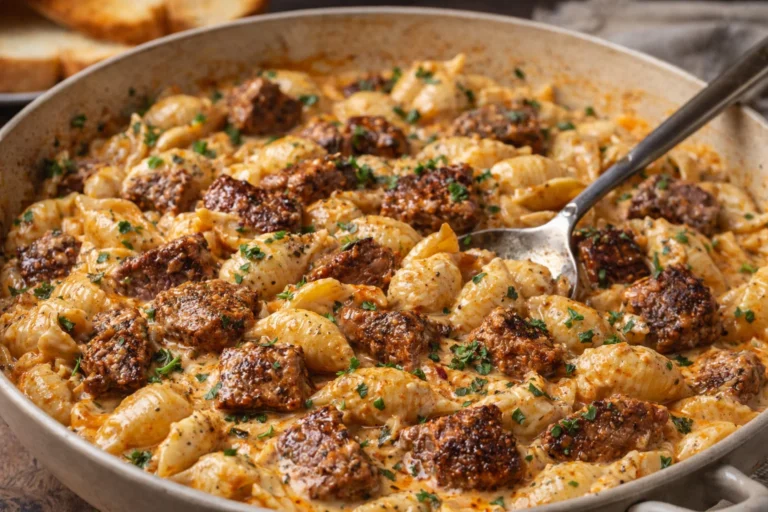
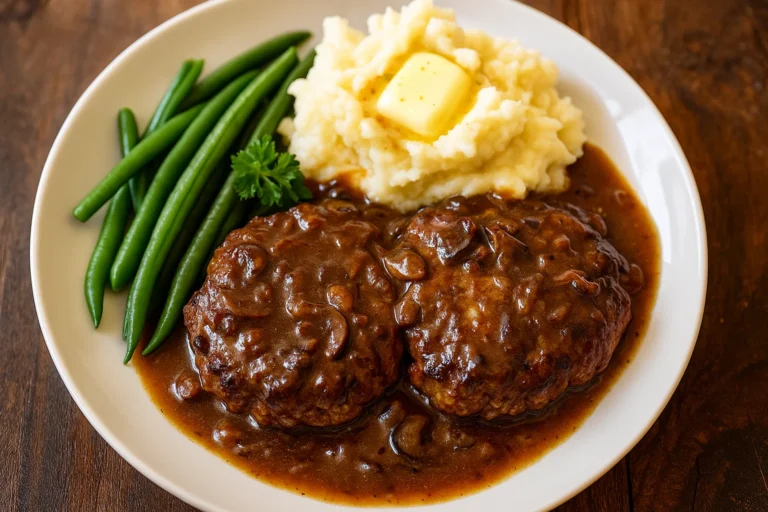
Salisbury Steak Meatballs deliver the comforting flavor of classic Salisbury steak in a fun, versatile meatball form. Right away, Salisbury Steak Meatballs invite home cooks, busy parents, students, diet-conscious individuals, and food lovers to enjoy a simple yet satisfying dinner option. In the first hundred words, I want you to picture juicy beef (or plant-based) meatballs simmered in a rich, savory gravy that pairs beautifully with mashed potatoes, rice, or roasted vegetables. Additionally, this version adapts easily for vegan, gluten-free, and lower-calorie diets while keeping full flavor.
This recipe helps you save time and reduce stress on weeknights, yet it impresses guests with hearty, restaurant-style taste. Moreover, Salisbury Steak Meatballs suit many lifestyles: travelers can make them ahead for meals on the road, newlyweds can cook together as a comforting routine, seniors will appreciate the tender texture, and working professionals can freeze portions for convenient lunches. For those watching their diet, the dish adapts to lean beef, turkey, or plant-based proteins, and you can swap bread crumbs for gluten-free options or oats to maintain texture without gluten.
Finally, whether you’re an enthusiastic baker who also loves savory projects, a student learning to cook, or a parent looking for family-friendly meals, Salisbury Steak Meatballs offer approachable instructions and predictable results. Read on for ingredients, substitutions, step-by-step preparation, advanced tips, storage advice, nutrition details, and answers to common questions : all designed to help you make irresistible Salisbury Steak Meatballs with confidence.
Benefits and Advantages of Salisbury Steak Meatballs
Salisbury Steak Meatballs stand out because they combine comfort food familiarity with modern adaptability. First, they simplify the classic Salisbury steak by transforming it into handheld-sized meatballs, which cook faster and portion more easily. Next, this conversion allows you to bake, pan-fry, or slow-cook the meatballs, so you can choose the method that fits your schedule. Additionally, making Salisbury Steak Meatballs cuts down on active cooking time: you can mix the meat, form the balls, and then let a slow cooker or oven do most of the work.
Health benefits also deserve attention. For example, you can use lean ground beef, ground turkey, or plant-based ground substitutes to lower saturated fat and calories. Moreover, swapping traditional breadcrumbs for oats or gluten-free crumbs keeps texture while catering to gluten-free diets. For low-calorie readers, reducing oil and using a light gravy made with stock and a small amount of flour or cornstarch can preserve flavor without heavy calories. Also, adding finely chopped vegetables like mushrooms, onions, and carrots increases fiber and nutrients, making Salisbury Steak Meatballs more balanced.
Furthermore, this recipe excels in versatility and storage convenience. You can prepare large batches and freeze individual meatballs for quick reheating, which suits busy parents and professionals. For families and seniors, the meatballs’ tender texture makes them easy to chew and enjoy. Finally, students and newlyweds will find this recipe budget-friendly and forgiving: you can mix and match proteins and sauces to create new flavors while keeping the comforting essence of Salisbury Steak Meatballs.
Ingredients Overview
Essential Ingredients for Salisbury Steak Meatballs
- 1 1/2 pounds ground beef (80/20) : provides rich flavor and tender texture. (For lean option: use 1 1/2 lb ground sirloin or 93/7.)
- 1 cup plain breadcrumbs (U.S. standard) : binds meat and adds structure.
- 1/2 cup finely chopped onion : adds moisture and savory depth.
- 1/4 cup finely chopped mushrooms : moistens and enhances umami.
- 2 large eggs : help bind and hold meatballs together.
- 3 cloves garlic, minced : for aromatic flavor.
- 1 tablespoon Worcestershire sauce : classic savory boost.
- 1 teaspoon Dijon mustard : adds a subtle tang.
- 1 teaspoon kosher salt : seasons evenly.
- 1/2 teaspoon black pepper : balances the savory notes.
- 2 tablespoons fresh parsley, chopped : fresh herb for brightness.
- 2 tablespoons vegetable oil or olive oil : for searing meatballs.
- 2 cups beef broth (or vegetable broth) : base for gravy.
- 1/4 cup all-purpose flour : thickens the gravy. (For gluten-free: use 1/4 cup cornstarch mixed with equal cold water.)
- 2 tablespoons tomato paste : deepens the sauce color and adds richness.
- 1 tablespoon soy sauce : umami and salt balance. (GF option: use tamari.)
- 1 teaspoon dried thyme : warms the gravy.
- Optional: 1/2 cup milk : adds richness to meatball mix if desired.
Diet-conscious and special-diet notes:
- Vegan option: Replace ground beef with 1 1/2 lb plant-based ground meat (e.g., soy or pea protein). Replace eggs with 1/4 cup aquafaba or 2 tablespoons ground flaxseed mixed with 6 tablespoons water. Use vegan Worcestershire and vegan broth.
- Gluten-free option: Use gluten-free breadcrumbs or 1 cup cooked quinoa; replace flour with cornstarch for the gravy.
- Low-calorie option: Use 1 1/2 lb lean ground turkey, skip oil for searing by baking at 400°F, and use low-sodium broth.
Dietary Substitutions to Customize Your Salisbury Steak Meatballs
Customize Salisbury Steak Meatballs to meet pantry constraints or health goals. First, for lower fat, choose ground turkey or ground chicken; however, add 1 tablespoon olive oil to the mix or include grated zucchini to maintain moisture. Next, for vegetarian or vegan diets, select a reputable plant-based ground product. Then, bind with flax “eggs” (2 tablespoons ground flaxseed mixed with 6 tablespoons water), and use plant-based Worcestershire and vegan stock to build a meat-free Salisbury Steak Meatballs experience that still tastes robust.
For gluten-free diets, swap regular breadcrumbs for certified gluten-free crumbs, crushed rice crackers, or 1/2 cup cooked quinoa. Also, replace all-purpose flour in the gravy with a cornstarch slurry (mix 2 tablespoons cornstarch with 3 tablespoons cold water) to thicken without gluten. Additionally, those reducing sodium should use low-sodium broth and reduce or omit added salt, while increasing aromatics like garlic and herbs to compensate.
Finally, if you need a lower-carb version of Salisbury Steak Meatballs, skip breadcrumbs and use almond flour (1 cup almond flour equals about 1 cup breadcrumbs by volume) or shredded parmesan as a binder. For added fiber and nutrients, fold finely grated carrots or chopped spinach into the meat mixture:this keeps meatballs moist and flavorful.
How to Prepare the Perfect Salisbury Steak Meatballs : Step-by-Step Guide
First Step: Gather and measure all ingredients for your Salisbury Steak Meatballs. Preheat your oven to 375°F if you plan to bake, and set out a rimmed baking sheet lined with parchment. Also, prepare a large mixing bowl, skillet, and measuring tools so you can move smoothly through the recipe.
Second Step: Sauté aromatics. Heat 1 tablespoon oil in a skillet over medium heat, then add 1/2 cup chopped onions and 1/4 cup chopped mushrooms. Cook for 4–5 minutes until softened and fragrant, stirring occasionally. Then, add minced garlic and cook for another 30 seconds. Remove from heat and let cool slightly before adding to the meat mixture.
Third Step: Combine meatball ingredients for Salisbury Steak Meatballs. In a large bowl, place 1 1/2 pounds ground beef, the cooled onion-mushroom mixture, 1 cup breadcrumbs, 2 beaten eggs, 1 tablespoon Worcestershire sauce, 1 teaspoon Dijon mustard, 1 teaspoon salt, 1/2 teaspoon black pepper, and 2 tablespoons chopped parsley. Mix gently with your hands or a spoon until just combined. Avoid overworking the mixture so your Salisbury Steak Meatballs stay tender.
Fourth Step: Shape the meatballs. Form the meat mixture into 18–20 evenly sized meatballs, about 2 inches in diameter. For consistency, use a 2-tablespoon scoop. Place formed Salisbury Steak Meatballs on a baking sheet while you prepare to sear.
Fifth Step: Sear for color and flavor. Heat 2 tablespoons of oil in a large skillet over medium-high heat. Working in batches, add the meatballs and sear for 2–3 minutes per side until browned on all sides. Then transfer the browned Salisbury Steak Meatballs to a plate. If you prefer baking, brush meatballs lightly with oil and bake at 375°F for 18–22 minutes until internal temperature reaches 160°F for beef or 165°F for poultry.
Sixth Step: Make the savory gravy base. In the same skillet, reduce heat to medium and add 1/4 cup all-purpose flour. Whisk constantly for 1 minute to form a roux using the drippings. Next, slowly pour in 2 cups beef broth while whisking to avoid lumps. Stir in 2 tablespoons tomato paste, 1 tablespoon soy sauce (or tamari for GF), and 1 teaspoon dried thyme. Simmer for 4–5 minutes until the sauce thickens slightly. For gluten-free gravy, instead use a cornstarch slurry: whisk 2 tablespoons cornstarch with 3 tablespoons cold water, then stir into simmering broth.
Seventh Step: Simmer Salisbury Steak Meatballs in gravy. Return browned meatballs to the skillet and nestle them in the gravy. Reduce heat to low, cover, and simmer for 12–15 minutes so flavors meld and meatballs reach the correct internal temperature. If you use a slow cooker, place seared meatballs and gravy in a slow cooker and cook on low for 3–4 hours. This method works especially well for meal prep.
Eighth Step: Adjust seasoning and finish. Taste the gravy and add salt and pepper if needed. For brightness, stir in 1 tablespoon chopped fresh parsley or 1 teaspoon lemon juice. If you want a creamier sauce, whisk in 1/4 cup milk or a splash of heavy cream and heat gently; however, for a dairy-free option, omit dairy and add a teaspoon of nutritional yeast for depth.
Ninth Step: Serve Salisbury Steak Meatballs hot. Plate meatballs over mashed potatoes, rice, or buttered egg noodles, and spoon generous amounts of gravy over top. Garnish with chopped parsley and a few cracked black peppercorns. Serve with steamed green beans or a crisp salad for a balanced meal.
Tenth Step: Adapt for dietary needs. If you made vegan Salisbury Steak Meatballs, follow the same steps but ensure you sear carefully to avoid breaking softer plant-based meat. Also, for low-sodium versions, simmer meatballs in unsalted broth and finish with a splash of reduced-sodium soy sauce or tamari. For gluten-free servings, ensure you used gluten-free binders and thickener.
Eleventh Step: Make ahead and freeze. Cool meatballs to room temperature, then freeze in a single layer on a baking sheet. Once frozen, transfer Salisbury Steak Meatballs into freezer bags and store up to 3 months. When ready to eat, reheat from frozen in a 350°F oven for 20–25 minutes or simmer gently in gravy until heated through.
Twelfth Step: Reheat leftovers safely. Thaw frozen Salisbury Steak Meatballs overnight in the refrigerator, then reheat gently in a covered skillet over medium-low heat or in a 325°F oven until the internal temperature reaches 165°F. Microwave reheating works too; however, heat in short increments to avoid drying out the meatballs.
Throughout these steps, you can tailor texture and flavor. For instance, if your Salisbury Steak Meatballs feel dense, add 1–2 tablespoons milk or extra beaten egg for moisture. Conversely, if they fall apart, add more breadcrumbs or oats to firm them up. Experiment with herbs:rosemary, thyme, and sage all complement the savory profile. Additionally, mushroom or onion concentrates strengthen the gravy’s umami without extra calories.
Mastering Salisbury Steak Meatballs : Advanced Tips and Variations
For cooks ready to elevate Salisbury Steak Meatballs, a few advanced tips deliver impressive results. First, control moisture: if your meat is very lean, add 1 to 2 tablespoons of olive oil or grated panada (bread soaked in milk) to keep meatballs tender. Conversely, if the mixture seems loose, chill it for 20 minutes so it firms and shapes cleanly. Additionally, chilling formed meatballs before searing reduces splatter and helps them hold shape.
Next, develop deeper gravy flavor by deglazing the pan with a splash of red wine after searing:then reduce by half before adding broth. Also, finish the sauce with a small pat of butter whisked in off the heat to enrich the mouthfeel. For gluten-free or lower-carb versions, create a gravy from concentrated beef stock and a cornstarch slurry; meanwhile, add mushrooms for a thicker, naturally umami-rich sauce.
For texture variations, try these options: Stuff each Salisbury Steak Meatballs with a small cube of cheddar, mozzarella, or vegan cheese before shaping for a molten center; alternatively, mix in finely chopped smoked bacon for a smoky dimension. If you want lighter meatballs, use a 50/50 blend of ground beef and ground turkey. For international twists, add 1 teaspoon smoked paprika and 1/2 teaspoon ground cumin for a slightly smoky, aromatic profile, or stir in chopped fresh cilantro and lime zest for a brighter take.
Try slow-cooker Salisbury Steak Meatballs for hands-off cooking: sear meatballs briefly, then transfer to a slow cooker with gravy ingredients and cook on low for 3–4 hours. Moreover, for an oven-baked approach, place meatballs on a rack set over a baking sheet to keep them crisp while allowing excess fat to drip away. Finally, experiment with topping ideas: caramelized onions, sautéed mushrooms, or a drizzle of balsamic reduction all complement the savory gravy and make your Salisbury Steak Meatballs bakery-worthy.
How to Store Salisbury Steak Meatballs : Best Practices
To keep Salisbury Steak Meatballs fresh and safe, follow proper refrigeration, freezing, and reheating techniques. First, cool meatballs to room temperature within two hours of cooking. Then store in an airtight container and refrigerate for up to 3–4 days. Also, keep gravy and meatballs together for better flavor, or store separately if you plan to reheat quickly.
For longer storage, freeze Salisbury Steak Meatballs. Arrange cooled meatballs in a single layer on a baking sheet and freeze for 1–2 hours; then transfer to labeled freezer bags or airtight containers. Store frozen meatballs for up to 3 months to preserve taste and texture. If you prefer frozen portions in gravy, cool the gravy completely first to avoid condensation, then portion into freezer-safe containers with meatballs and seal tightly.
When reheating, thaw overnight in the refrigerator for best results. Next, gently reheat in a covered skillet over low heat, stirring occasionally until warmed through. For convenience, reheat in a 350°F oven for 15–20 minutes, or microwave in short intervals, stirring between cycles to maintain even heat. Additionally, when reheating from frozen, allow an extra 10–15 minutes for oven reheating; alternatively, simmer in a covered skillet with a splash of stock to prevent dryness.
Finally, label containers with dates to track freshness and always check for signs of spoilage before reheating. If the meatballs smell off or show discoloration, discard them. These storage best practices help you enjoy Salisbury Steak Meatballs safely and conveniently.
Nutritional Value of Salisbury Steak Meatballs
Below is a sample nutritional breakdown per serving (serves 6). Values approximate and vary by ingredients and portion sizes. For a leaner or plant-based variant, expect lower saturated fat and cholesterol.
| Nutrient | Amount per Serving |
|---|---|
| Calories | 420 kcal |
| Total Fat | 25 g |
| Saturated Fat | 8 g |
| Trans Fat | 0.5 g |
| Cholesterol | 110 mg |
| Sodium | 720 mg |
| Total Carbohydrates | 18 g |
| Dietary Fiber | 1.8 g |
| Total Sugars | 4 g |
| Added Sugars | 0.5 g |
| Protein | 32 g |
| Vitamin A | 6% DV |
| Vitamin C | 4% DV |
| Calcium | 6% DV |
| Iron | 25% DV |
These nutritional figures reflect a classic recipe using 80/20 ground beef, breadcrumbs, eggs, and a flour-thickened gravy. For readers working to lower calories and fat, try lean ground turkey and a cornstarch-thickened gravy; this swap can reduce total fat by 30–40% and cut calories significantly. Additionally, reducing salt and choosing low-sodium beef broth lowers sodium content. For plant-based Salisbury Steak Meatballs, protein remains high if you use pea-based or soy-based grounds, while saturated fat and cholesterol drop considerably.
When tracking macronutrients, note that each serving provides a substantial protein boost, making Salisbury Steak Meatballs a filling option for active individuals and those focused on muscle maintenance. Moreover, adding vegetables like mushrooms, grated carrots, or spinach increases fiber, vitamins, and minerals without dramatically changing calories. Finally, if you follow a low-carb plan, omit breadcrumbs and use almond flour or parmesan, which reduces carbohydrates while maintaining texture.
FAQs: Frequently Asked Questions About Salisbury Steak Meatballs
Q: Can I make Salisbury Steak Meatballs ahead of time?
A: Yes. You can form and sear meatballs, then cool and refrigerate for up to 24 hours before finishing in the gravy. Alternatively, freeze fully cooked meatballs and reheat as needed.
Q: How do I keep Salisbury Steak Meatballs from falling apart?
A: Avoid over-mixing; use gentle folding to combine ingredients. Also, chill the formed meatballs for 20 minutes before searing. If needed, add more breadcrumbs or an extra egg as a binder.
Q: What are the best cooking methods for Salisbury Steak Meatballs?
A: Pan-searing followed by simmering in gravy yields rich flavor. Baking at 375°F offers a lower-fat option. Slow cooking develops tenderness and is ideal for meal prep.
Q: Can I make gluten-free Salisbury Steak Meatballs?
A: Absolutely. Use gluten-free breadcrumbs or cooked quinoa and thicken gravy with cornstarch instead of all-purpose flour. Also choose tamari in place of soy sauce if you need gluten-free seasoning.
Q: How can I reduce calories without sacrificing flavor?
A: Use lean ground turkey or mix lean and regular ground meat. Add mushrooms and onions for moisture and umami. Also, use low-sodium broth and reduce oil when searing by baking meatballs on a wire rack.
Q: Are there vegan options for Salisbury Steak Meatballs?
A: Yes. Substitute plant-based ground products, use flax or aquafaba as egg replacements, and choose vegan Worcestershire and broth. Also, sauté mushrooms and add soy-based umami to mimic savory depth.
Q: What side dishes pair best with Salisbury Steak Meatballs?
A: Classic pairings include mashed potatoes, buttered egg noodles, rice, or roasted root vegetables. For lighter sides, choose steamed green beans or a mixed green salad with a bright vinaigrette.
Q: Can I freeze Salisbury Steak Meatballs with gravy?
A: Yes. Cool gravy completely, then portion meatballs and gravy into freezer-safe containers. Freeze up to 3 months. Thaw overnight before reheating gently on the stove or in the oven.
Q: How do I adjust the recipe for higher altitude or oven differences?
A: At higher altitude, increase liquid slightly and check doneness earlier. Oven temperatures vary; use an instant-read thermometer:target 160°F for beef and 165°F for poultry:to ensure safe internal temperatures.
Q: How long do Salisbury Steak Meatballs last in the fridge?
A: When stored in an airtight container, cooked Salisbury Steak Meatballs last 3–4 days in the refrigerator. For longer storage, freeze them.
Q: Can I make a gluten-free thickener substitute for the gravy?
A: Yes; mix 2 tablespoons cornstarch with 3 tablespoons cold water and whisk into simmering broth to thicken. Arrowroot powder also works as a gluten-free thickener.
Q: How can I make extra-rich gravy?
A: Deglaze the pan with a splash of red wine, reduce it, then add beef broth and tomato paste. Finish with a pat of butter or a splash of cream off the heat to enrich the sauce.
Q: What if I want a healthier version without losing flavor?
A: Add finely chopped mushrooms and onions to increase moisture and umami. Use lean meat and low-sodium broth. Incorporate herbs and spices to enhance taste without extra salt or fat.
Q: Are there regional or cultural variations of Salisbury Steak Meatballs I can try?
A: Yes. For example, add smoked paprika and chipotle for a Spanish twist, or create an Asian-inspired sauce using soy sauce, ginger, and scallions. These variations keep the Salisbury Steak Meatballs concept while exploring global flavors.
Q: What tools help make perfect Salisbury Steak Meatballs?
A: Use a 2-tablespoon scoop for uniform sizing, an instant-read thermometer for safety, and a heavy skillet or cast-iron pan for even searing. A wire rack on a baking sheet helps if you bake them.
Q: Why did my gravy become lumpy and how do I fix it?
A: Lumps appear when flour or cornstarch isn’t whisked properly into liquid. To fix, strain the sauce through a fine mesh sieve, or whisk a small amount of cold water into extra flour/cornstarch to make a slurry and then whisk it into simmering liquid until smooth.
Q: How can I enhance the umami flavor of my Salisbury Steak Meatballs?
A: Add finely chopped mushrooms, a teaspoon of soy sauce or tamari, or a bit of tomato paste. Also, finishing the gravy with a splash of Worcestershire sauce adds savory complexity.
Q: Is it safe to cook Salisbury Steak Meatballs for elderly family members?
A: Yes, when cooked to the correct internal temperature and with a tender texture. For seniors who need softer foods, simmer meatballs longer or finely chop ingredients to ensure easy chewing.
Q: Can I double the recipe for a crowd?
A: Absolutely. Double ingredients, form more meatballs, and cook in batches. Use a large roasting pan to hold more meatballs in the oven, and increase gravy proportionally.
Q: What is the best way to reheat Salisbury Steak Meatballs to keep them moist?
A: Reheat gently over low heat in a covered skillet with a splash of broth or in a 325°F oven covered with foil. Microwaving works if you add a tablespoon of water and heat in short intervals, stirring between cycles.
This set of FAQs covers common concerns for cooks of all levels, while emphasizing flexibility and safety so you can enjoy Salisbury Steak Meatballs with confidence.
Enjoy making Salisbury Steak Meatballs for family dinners, meal prep, and special gatherings. With straightforward steps, clear substitutions, and practical storage tips, this recipe becomes a dependable favorite that adapts to many diets and lifestyles.