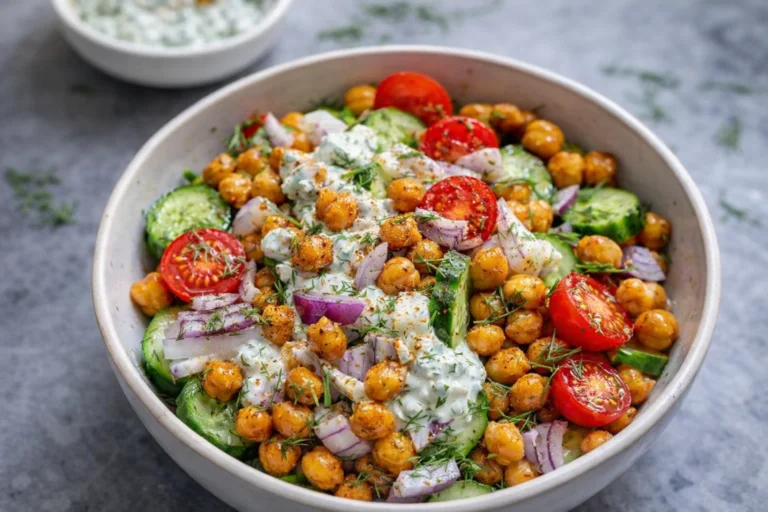
Youre Eating Healthy Wrong Without Counting Calories
You’re Eating Healthy Wrong | Without Counting Calories: A Tropical Delight
Introduction to You’re Eating Healthy Wrong | Without Counting Calories
In a world where counting calories often overshadows the joy of cooking and eating, it’s time to embrace the philosophy of mindful consumption. If you’ve ever found yourself overwhelmed by rigid dieting rules, you’re not alone. This healthy recipe offers a liberating alternative that revolves around simplicity, flavor, and nutrition rather than numbers. Our “You’re Eating Healthy Wrong | Without Counting Calories” dish combines luscious tropical ingredients, ensuring you savor every bite without the guilt.
Imagine a vibrant plate brimming with fresh fruits, wholesome grains, and a hint of exotic spices—all beautifully balanced to nourish your body. Not only is this tropical delight incredibly simple to prepare, but it’s also vegan, gluten-free, and suitable for various dietary needs. Whether you’re a busy parent looking to whip up a nutritious meal in under 30 minutes, a student trying to stay healthy on a budget, or a food enthusiast keen on exploring new flavors, this recipe ticks all the boxes.
Beyond being easy to make, this dish is packed with vitamins, minerals, and antioxidants that support overall health. You’ll find that swapping out calorie-counting with colorful, nourishing plates not only makes your meals more enjoyable but also encourages a positive relationship with food. So, dive into this tropical delight and discover how healthy eating can be as simple as enjoying a flavorful dish filled with goodness!
Benefits and Advantages of You’re Eating Healthy Wrong | Without Counting Calories
The beauty of this recipe lies in its ability to cater to various dietary preferences while delivering on taste and nutrition. Here are some key reasons why “You’re Eating Healthy Wrong | Without Counting Calories” is a must-try:
-
Simplicity and Speed: One of the most attractive features of this healthy recipe is its straightforward preparation. With minimal cooking required, you can have a nourishing meal ready in no time—90% of your time can be spent enjoying the dish rather than slaving over the stove.
-
Flavor Explosion: This dish showcases a medley of tropical flavors, from sweet pineapples to zesty lime, ensuring that your taste buds will revel in every bite. The combination of fresh ingredients creates a satisfying and wholesome meal that feels indulgent without being heavy.
-
Nutritional Powerhouse: Packed with vitamins, minerals, and fiber, this recipe supports your well-being and vitality. The use of natural ingredients allows you to absorb essential nutrients without the need for artificial additives.
-
Versatility: This meal can easily adapt to various dietary restrictions. It can be made vegan, is naturally gluten-free, and can accommodate low-calorie requirements—all without compromising on taste.
-
Mindful Eating: By focusing on quality ingredients rather than calorie counting, this healthy recipe promotes a more mindful approach to eating. This can lead to better digestion, healthier habits, and improved overall wellness.
-
Shareable Goodness: Whether you’re hosting a dinner party or having a picnic, this dish is easy to serve and perfect for sharing. Its vibrant colors and appealing presentation make it a fantastic centerpiece for any meal.
Overall, this recipe removes the stress of dieting and instead invites you to revel in the joy of cooking with fresh, vibrant ingredients. With its enticing flavors and myriad health benefits, “You’re Eating Healthy Wrong | Without Counting Calories” will soon become a staple in your culinary repertoire.
Ingredients Overview
Essential Ingredients for You’re Eating Healthy Wrong | Without Counting Calories
To create this mouthwatering tropical delight, you’ll need the following ingredients:
- 1 cup quinoa (or brown rice): A gluten-free whole grain, quinoa is rich in protein and fiber.
- 1 medium ripe pineapple, diced: Packed with vitamin C and bromelain, pineapple promotes digestion and adds a refreshing sweetness.
- 1 red bell pepper, diced: High in vitamins A and C, bell peppers add crunch and color to the dish.
- 1 cup black beans, rinsed and drained: A great source of plant-based protein and fiber, black beans help keep you satisfied.
- 1 avocado, diced: Loaded with healthy fats, avocados contribute creaminess and enhance overall satiety.
- 1 lime, juiced: Provides a zesty flavor while also delivering antioxidants that benefit skin and overall health.
- Fresh cilantro, chopped (optional): Adds a burst of freshness and flavor to brighten the dish.
- Salt and pepper, to taste: Enhances the overall flavor profile of the ingredients.
This combination merges wholesome grains, refreshing fruits, and nutritious legumes into a balanced meal that embodies the essence of healthy eating.
Dietary Substitutions to Customize Your You’re Eating Healthy Wrong | Without Counting Calories
Cooking should cater to personal preferences and dietary needs. Here are some suggested substitutions to make this healthy recipe truly your own:
- Quinoa options: If you don’t have quinoa on hand, you can easily swap it for brown rice, cauliflower rice for a low-carb alternative, or farro for a nutty taste.
- Beans: If black beans aren’t available, kidney beans or chickpeas will work well. They also contribute high protein and fiber content.
- Tropical fruits: Feel free to experiment with other fruits such as mango, papaya, or kiwi for those who enjoy varying their flavors. Each fruit has its unique health benefits.
- Vegetable swaps: Zucchini, corn, or cherry tomatoes can replace bell peppers if you prefer different textures or tastes.
- Herbs: If cilantro isn’t a favorite, try fresh parsley or basil for a different aromatic profile.
With these substitutions, everyone can enjoy this tropical delight—whether they are vegan, gluten-free, or following any other specific dietary guidelines.
How to Prepare the Perfect You’re Eating Healthy Wrong | Without Counting Calories: Step-by-Step Guide
Creating your tropical dish is about embracing simplicity and vibrant flavors. Follow this step-by-step guide for the best results:
-
Rinse the Quinoa: Place 1 cup of quinoa in a fine mesh strainer. Rinse under cold water to remove any bitterness. This step is vital for a fluffy texture.
-
Cook the Quinoa: In a medium saucepan, combine the rinsed quinoa with 2 cups of water and a pinch of salt. Bring it to a boil over medium heat, then reduce the heat, cover, and simmer for 15 minutes. After it’s cooked, remove from heat and let it sit for 5 minutes before fluffing it with a fork.
-
Prepare the Vegetables: While the quinoa is cooking, wash and chop the red bell pepper and any other vegetables you’re using. Ensure that the pineapple is diced into bite-sized pieces.
-
Mix the Salad Base: In a large bowl, combine the cooked quinoa, diced pineapple, bell pepper, and black beans. Stir gently to combine all the ingredients without mashing them.
-
Add Avocado and Lime Juice: Carefully fold in the diced avocado and squeeze the juice of one lime over the mixture. The lime juice not only adds flavor but also helps to keep the avocado from browning.
-
Season the Dish: Add salt and pepper to taste. If you’re using fresh cilantro, sprinkle it on at this stage for additional flavor.
-
Taste and Adjust: Give the salad a gentle toss and taste it. Adjust the seasoning with more lime juice, salt, or pepper as needed.
-
Chill (Optional): For an extra refreshing dish, allow it to chill in the refrigerator for about 30 minutes before serving. This allows the flavors to meld beautifully.
-
Serve: Use a big serving spoon to dish out portions into bowls or plates. This dish is delicious on its own but can also be served over a bed of greens for added nutrients.
Each step is straightforward, ensuring you can create this fantastic tropical delight with ease. Remember, you can easily swap ingredients based on dietary preferences, ensuring everyone at the table can enjoy this healthy recipe.
Mastering You’re Eating Healthy Wrong | Without Counting Calories: Advanced Tips and Variations
To elevate your cooking experience and make this dish even more enjoyable, consider these advanced tips and variations:
-
Add Protein: For those needing an extra protein boost, consider adding grilled chicken, shrimp, or tofu. They’ll complement the tropical flavors beautifully while adding satiety.
-
Spice it Up: If you enjoy a little heat, consider adding diced jalapeños or red pepper flakes to give the dish a spicy kick. Balancing the heat with sweetness can create an exciting contrast that tantalizes the palate.
-
Experiment with Dressings: While lime juice gives a fresh taste, consider making a zesty dressing with olive oil, lime, honey, and a hint of mustard for an additional flavor layer.
-
Breakfast Twist: Use the base of this recipe as a breakfast bowl topped with Greek yogurt, a drizzle of honey, and a sprinkle of nuts or seeds for a contrast of flavors and textures.
-
Look for Seasonal Variations: Customize the recipe with seasonal fruits and vegetables to keep it fresh and exciting year-round. Root vegetables in the fall or citrus fruits in the winter can add unique flavors.
By using these tips, you can masterfully turn “You’re Eating Healthy Wrong | Without Counting Calories” into a dish that suits any occasion, ensures novel experiences, and delights your guests.
How to Store You’re Eating Healthy Wrong | Without Counting Calories: Best Practices
Proper storage of your delicious tropical dish is essential to maintaining its freshness and flavor. Here’s how to ensure your meal remains tasty and nutritious:
-
Refrigeration: Store leftover portions in an airtight container in the fridge. This dish typically stays fresh for up to 3-4 days. Be sure to consume it within this timeframe for the best quality.
-
Freezing: If you’ve made a larger batch and want to save it for later, consider freezing individual portions. Place the cooled salad in freezer-safe containers or bags, ensuring as much air as possible is removed to prevent freezer burn. It can last for up to 3 months in the freezer.
-
Thawing and Reheating: When ready to eat your frozen portions, move them to the fridge to thaw overnight. For reheating, use the microwave; however, avoid overheating as it may make the avocado mushy. If using fresh ingredients like avocado, add those after reheating.
By following these storage practices, you can enjoy your healthy recipe even days after it has been prepared, minimizing waste while maximizing enjoyment.
Nutritional Value of You’re Eating Healthy Wrong | Without Counting Calories
Understanding the nutritional benefits of the ingredients used in this recipe can help you appreciate its health contributions. Here’s a breakdown of the major components:
- Quinoa: Approximately 222 calories per cup, 8g protein, 4g fiber, and 39g carbohydrates.
- Pineapple: About 82 calories per cup, rich in vitamin C, and low in fat.
- Black Beans: Roughly 227 calories per cup, providing 15g protein and 15g fiber, crucial for digestion.
- Avocado: Around 240 calories for one medium avocado, a great source of healthy fats, vitamin E, and potassium.
- Red Bell Pepper: Contains around 46 calories per pepper, high in vitamins A and C, and beneficial antioxidants.
- Additional Ingredients: Lime juice contributes minimal calories but rich flavor, while any additional herbs or spices generally add negligible counts.
Overall, this nutritious recipe averages around 300-400 calories per serving, filled with protein, healthy fats, and essential vitamins. By emphasizing whole, natural ingredients, “You’re Eating Healthy Wrong | Without Counting Calories” offers a delicious way to maintain a balanced diet without the stress of counting every calorie.
FAQs: Frequently Asked Questions About You’re Eating Healthy Wrong | Without Counting Calories
Here are some common queries relating to this recipe to help clarify any doubts or concerns:
Q: Can I make this dish in advance?
A: Yes! It’s perfect for meal prep. Simply store in an airtight container in the fridge and enjoy it over 3-4 days.
Q: What can I substitute for quinoa?
A: Brown rice, farro, or even cauliflower rice are great alternatives if you prefer different grains or are avoiding quinoa.
Q: How can I pack extra protein into this dish?
A: Grilled chicken, shrimp, or chickpeas make excellent additions. They can be easily incorporated for added protein without altering the dish’s essence.
Q: Is this recipe suitable for a keto diet?
A: To align this dish with a keto diet, consider reducing or eliminating the quinoa and incorporating more healthy fats (like additional avocado or nuts) while keeping an eye on carbohydrate content.
Q: Can I use frozen fruits or vegetables?
A: Frozen fruits and vegetables can certainly be used; however, be aware that the texture may vary slightly after thawing.
Ultimately, “You’re Eating Healthy Wrong | Without Counting Calories” is not just a recipe; it’s an invitation to embrace nourishing foods that enhance your culinary experience. As you create this tropical delight, enjoy the simplicity, health benefits, and versatility it offers. Happy cooking!