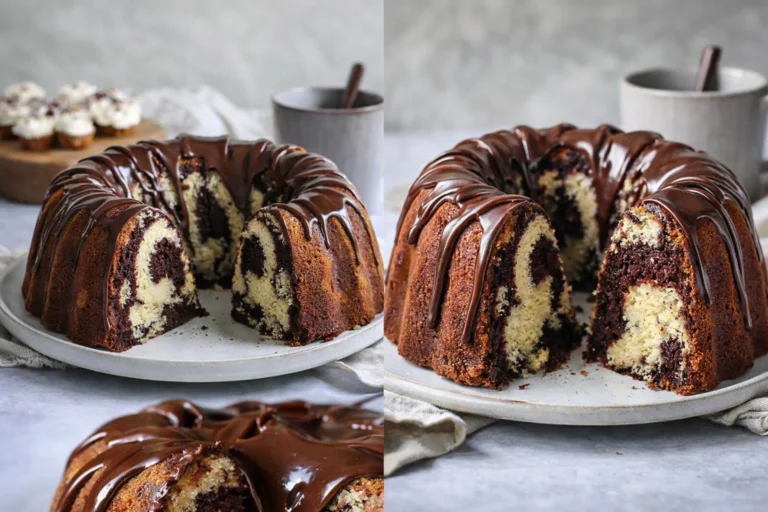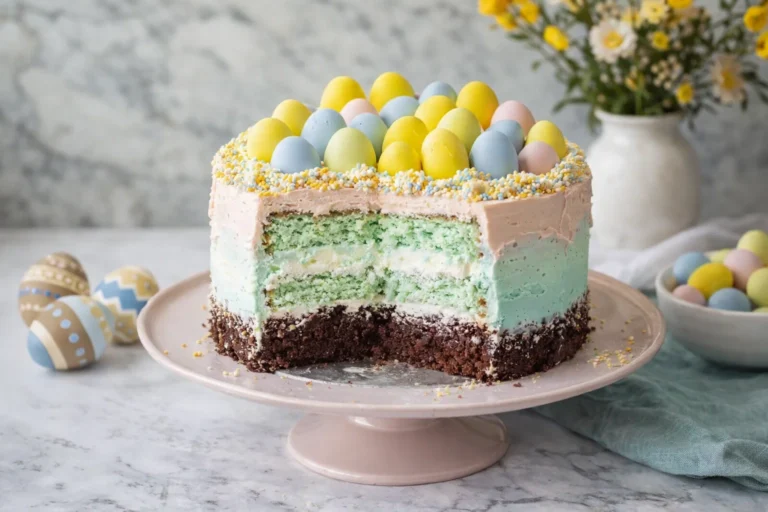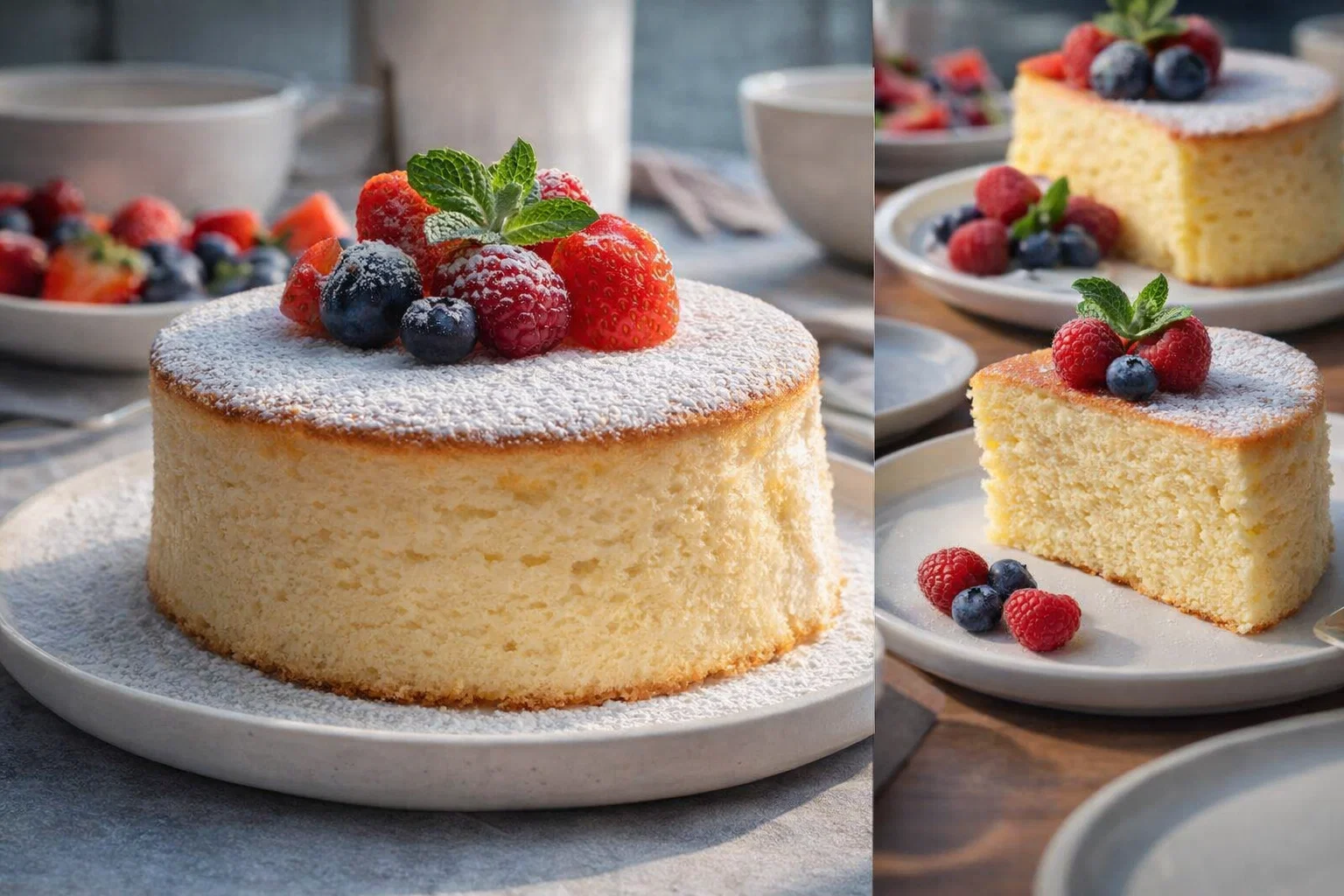
Sponge Cake Recipe Light Fluffy Dessert for Any Occasion
Sponge Cake Recipe: Light & Fluffy Dessert for Any Occasion: A Tropical Delight
Introduction to Sponge Cake Recipe: Light & Fluffy Dessert for Any Occasion
Sponge cake is the epitome of simple yet delectable desserts, making it a must-have for any home cook’s repertoire. As one of the quintessential dessert recipes, it strikes a perfect balance between lightness and flavor, allowing it to complement various occasions, from birthdays to casual afternoon teatimes. This airy cake provides a versatile base for countless toppings and transformations, making it a favorite among busy parents, students, and baking enthusiasts trying to whip up something delicious with minimal fuss.
What’s more, sponge cake can easily accommodate diverse dietary needs. Whether you’re health-conscious, vegan, or gluten-free, this recipe is adaptable enough to meet your specific requirements without sacrificing flavor or texture. It’s simple to prepare, requiring everyday ingredients you likely have in your kitchen. Plus, the fluffy, tender crumb creates a delightful eating experience for anyone, making it an excellent choice for gatherings of all kinds. Indeed, whipping up a sponge cake is not just baking; it’s creating a memorable moment that invites connections and celebrations.
In this article, we’ll explore the benefits of this remarkable recipe, guide you through the essential ingredients, and share step-by-step instructions to help you master the art of sponge cake making. Furthermore, we’ll delve into the nutritional value, storage methods, and answer the frequently asked questions to ensure you encounter minimal hurdles along the way. Let’s embark on this sweet journey and discover why sponge cake is deserving of its spot in your collection of favorite dessert recipes!
Benefits and Advantages of Sponge Cake Recipe: Light & Fluffy Dessert for Any Occasion
When it comes to dessert recipes, few can compete with the charm of sponge cake. Here are several benefits and advantages of this delightful dessert that makes it stand out:
1. Simplicity of Preparation
The sponge cake recipe is remarkably straightforward, making it accessible for novice bakers and experienced chefs alike. With only a few steps to follow, this dessert minimizes the fuss while maximizing flavor. The ingredients are mixed in a specific order, creating an airy texture without requiring advanced baking techniques. This simplicity is perfect for busy parents who want to deliver a homemade dessert without dedicating hours in the kitchen.
2. Health Benefits
Many dessert recipes tend to be indulgent and calorie-heavy, but sponge cake provides a lighter alternative. Typically made with a combination of eggs, sugar, flour, and a fat source, sponge cakes are lower in fat than butter-based cakes. You can also modify the recipe to use less sugar or incorporate healthier alternatives, making it a better choice for health-conscious individuals. Additionally, sponge cakes can be paired with fresh fruits or yogurt to amplify the nutritional content, adding fiber and vitamins to your dessert.
3. Versatility
One of the most noteworthy aspects of sponge cake is its versatility. It acts as a blank canvas for various toppings and fillings, allowing you to customize it to suit any occasion. Whether you choose to layer it with fruit, slather it in whipped cream, or even serve it with a drizzle of chocolate sauce, the sponge cake will accommodate your desires. Its neutral flavor profile means it can be enhanced with spices, extracts, or zests, providing endless possibilities for creativity in the kitchen.
4. Dietary Adaptability
Sponge cake can easily be tailored to meet different dietary requirements. For instance, by using aquafaba or flaxseed meal, you can create a vegan version that still retains the cake’s signature fluffiness. Additionally, gluten-free flour blends can replace standard all-purpose flour, ensuring that everyone can enjoy this classic dessert. With such adaptability, this cake appeals to a diverse range of dietary needs and preferences.
5. Family-Friendly
Whether you are baking with children or preparing a sweet treat for family gatherings, sponge cake is an excellent choice. Kids love helping in the kitchen, and the simplicity of this recipe allows them to get involved without overwhelming them. Furthermore, the lightness of the cake makes it a delightful dessert option that appeals to adults and children alike – a true crowd-pleaser!
Conclusion
In summary, the sponge cake recipe combines exceptional taste, ease of preparation, and adaptability, positioning it as a desired option among countless dessert recipes. As we delve deeper into the ingredients and steps required to make this delightful cake, keep in mind all the benefits it brings – it is not only a treat; it’s an experience filled with joy and satisfaction.
Ingredients Overview
Essential Ingredients for Sponge Cake Recipe: Light & Fluffy Dessert for Any Occasion
To create a successful sponge cake, having the right ingredients is crucial. Here’s a list of the essentials you’ll need:
-
4 large eggs: The foundation of any sponge, eggs provide structure and moisture while helping the cake rise through aeration.
-
1 cup granulated sugar: This sweetener not only flavors the cake but also contributes to its light and airy texture through the creaming process.
-
1 cup all-purpose flour: The main bulk of the cake; it provides structure. For gluten-free versions, you can use a gluten-free all-purpose flour blend.
-
1/4 cup vegetable oil or melted coconut oil: Adds richness and moisture while keeping the cake light. Opt for a neutral oil with minimal flavor.
-
1 teaspoon baking powder: This leavening agent encourages the cake to rise as it bakes, contributing to its fluffiness.
-
1 teaspoon vanilla extract: It enriches the flavor profile, making your sponge cake delicious. Feel free to experiment with almond extract for a nutty touch.
-
1/4 teaspoon salt: Balances the sweetness and enhances the overall flavor of the cake.
Special Diet Options:
-
Vegan Option: Replace eggs with 1/4 cup of unsweetened applesauce or 3 tablespoons of aquafaba for aeration.
-
Gluten-Free Option: Use a mix of gluten-free flour and xanthan gum to replicate the structure and texture of traditional sponge cakes.
-
Low-Calorie Option: Substitute sugar with a natural sweetener like stevia, ensuring to adjust the quantity according to the product’s sweetness level.
Dietary Substitutions to Customize Your Sponge Cake Recipe: Light & Fluffy Dessert for Any Occasion
While the above ingredients work wonderfully together, making substitutions can help tailor the sponge cake to fit various dietary needs or ingredient availability:
-
Flour Substitutions: If you are out of all-purpose flour or prefer a healthier option, consider using almond flour, coconut flour, or oat flour. However, be cautious with substitutions; different flours absorb moisture differently, which may change the texture.
-
Sweetener Choices: Instead of granulated sugar, you can use coconut sugar, honey, or maple syrup. Just remember that liquid sweeteners will alter the cake’s moisture content, so you may need to adjust the liquid in the recipe accordingly.
-
Dairy-Free Milk: For an even lighter cake, use plant-based milks like almond, soy, or oat milk in place of whole milk. This adjustment brightens the flavor while accommodating lactose-intolerant guests.
-
Flavor Enhancements: Consider adding citrus zests (like lemon, lime, or orange) or spices (such as cinnamon or nutmeg) to enhance the cake’s flavor profile further.
With these ingredient insights and substitutions, you’re on your way to creating a scrumptious, tailored sponge cake that complies with various dietary requirements.
How to Prepare the Perfect Sponge Cake Recipe: Light & Fluffy Dessert for Any Occasion: Step-by-Step Guide
Creating a mouthwatering sponge cake requires some attention to detail, but it’s all worth it when you taste the final result. Here’s a step-by-step guide to perfecting your sponge cake:
-
Prepare the Oven and Pan: Preheat your oven to 350°F (175°C). Grease and flour a 9-inch round cake pan, or line the bottom with parchment paper for easy removal.
-
Separate the Eggs: Carefully separate the egg whites from the yolks, placing the whites in a clean, dry mixing bowl. The egg whites need to be whipped to create a light texture in the cake.
-
Whip the Egg Whites: Using an electric mixer, beat the egg whites on medium speed until they form soft peaks (about 5-7 minutes). Gradually add half of the granulated sugar while continuing to beat until stiff peaks form, and the mixture is glossy. Set aside.
-
Mix the Yolks and Sugar: In another bowl, whisk together the egg yolks and the remaining sugar until the mixture becomes thick and pale, about 3-5 minutes. This step helps to incorporate air, making the cake fluffy and light.
-
Combine Wet Ingredients: Add the oil and vanilla extract to the egg yolk and sugar mixture. Whisk until smooth.
-
Sift the Flour and Baking Powder: In a separate bowl, sift together the flour, baking powder, and salt. Sifting aerates the flour and prevents clumps, resulting in a lighter cake.
-
Combine the Mixtures: Gradually fold the flour mixture into the egg yolk mixture, being careful not to deflate the batter. Use a spatula or a large spoon for this task, mixing until no flour streaks remain.
-
Incorporate the Egg Whites: Gently fold the whipped egg whites into the batter in three additions. Start with one-third of the whites to lighten the batter, then gradually fold in the remaining whites until fully combined.
-
Pour the Batter into the Pan: Pour the batter into your prepared cake pan, spreading it evenly with a spatula.
-
Bake the Cake: Place the pan in the preheated oven and bake for 25-30 minutes, or until the cake springs back when lightly touched and a toothpick inserted into the center comes out clean.
-
Cool the Cake: Once baked, remove the sponge cake from the oven and let it cool in the pan for about 10 minutes. Then, carefully remove it from the pan and transfer it to a wire rack to cool completely.
-
Decorate and Serve: Once cooled, you can frost, fill, or serve your sponge cake with fresh fruit, whipped cream, or your favorite toppings. Enjoy exploring the endless possibilities with this versatile dessert!
Adaptations
-
Gluten-Free Adaptation: When using gluten-free flour, be sure to add 1/2 teaspoon of xanthan gum to help provide structure to the cake.
-
Vegan Adaptation: If using applesauce or aquafaba, following the same method will result in a fluffy cake, ensuring to check for doneness as baking times may vary.
This comprehensive step-by-step guide gives you the confidence to create a light and fluffy sponge cake that everyone will love. Making modifications based on dietary preferences shows that this versatile recipe is suitable for all!
Mastering Sponge Cake Recipe: Light & Fluffy Dessert for Any Occasion: Advanced Tips and Variations
Mastering the sponge cake can elevate your baking skills to new heights. Here are some advanced tips and exciting variations to consider as you perfect your cake-making technique:
1. Use Room Temperature Ingredients
Having your eggs and any dairy (if used) at room temperature can help them blend together better, providing a smoother batter. This will contribute to the fluffiness of the final cake.
2. Be Gentle When Folding
One of the secrets to a light sponge cake lies in the method of combining ingredients. When folding in the egg whites, be very gentle! Overmixing at this stage can deflate those precious air bubbles you just whipped.
3. Add Citrus Zest for Flavor
For a lovely twist, add citrus zest like lemon or orange to the batter. This can brighten flavors, making the cake even more appealing.
4. Infuse with Herbal Notes
For a unique flavor profile, consider adding fresh herbs such as lavender or thyme. Be sure to finely chop them to avoid large chunks ruining the cake’s texture.
5. Transform into Layer Cake
Use this sponge cake as a base for a stunning layer cake. Slice the cake horizontally and intersperse layers of frosting, jam, or fruit in between—creating an eye-catching dessert for special occasions.
6. Experiment with Different Milks
In place of water or dairy, consider incorporating flavored milks like almond milk or coconut milk. This twaddle gives an additional depth of flavor.
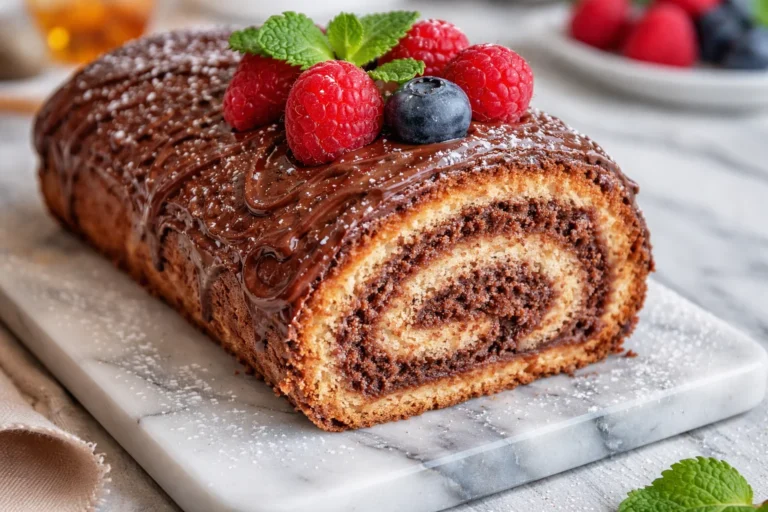
7. Make a Swiss Roll
Use the basic sponge cake recipe to create a delightful Swiss roll. After baking, quickly roll up the warm cake with a shower of powdered sugar, allowing it to cool in the rolled position. Once cooled, unroll and spread with fruit filling or cream before rolling it back together and serving.
Exploring these tips ensures that every sponge cake you make is a success and leaves your friends and family longing for more.
How to Store Sponge Cake Recipe: Light & Fluffy Dessert for Any Occasion: Best Practices
Storing your sponge cake properly is crucial for extending its freshness. Here are the best practices for keeping your cake at its best:
1. Refrigeration
If you plan on hoarding leftover sponge cake, storing it in the refrigerator is a good approach. Wrap the cooled cake tightly in plastic wrap to lock in moisture, preventing it from drying out. It should stay fresh for up to a week in the fridge.
2. Freezing
For those looking to save their sponge cake for a longer duration, freezing is an excellent option. Slice the cake into portions and wrap each slice in plastic wrap and then aluminum foil to protect it from freezer burn. It can last for up to 3 months in the freezer. Allow it to thaw overnight in the refrigerator before serving.
3. Room Temperature Storage
If you plan on consuming the sponge cake within a few days, you can store it at room temperature. Keep the cake in a cake dome or a sealed container to protect it from air and contamination. Ideally, it should last 2-3 days at room temperature.
Conclusion
Implementing these storage practices ensures your sponge cake maintains its light and fluffy goodness long after it has been baked. Whether refrigerated, frozen, or stored at room temperature, you can savor this delightful dessert whenever the craving strikes.
Nutritional Value of Sponge Cake Recipe: Light & Fluffy Dessert for Any Occasion
Understanding the nutritional value of your sponge cake can help you manage your dietary intake effectively. Here’s a breakdown of approximate values for a regular serving of sponge cake (for a 1/12 slice of the cake):
- Calories: 150-200
- Total Fat: 5g
- Saturated Fat: 1.5g
- Cholesterol: 50mg
- Sodium: 120mg
- Total Carbohydrates: 25g
- Dietary Fiber: 0.5g
- Sugars: 10g
- Protein: 3g
Healthy Modifications:
- Reducing Sugar: Substituting with lower-calorie sweeteners can help manage the overall sugar content, making it more suitable for diet-conscious individuals.
- Using Whole Wheat Flour: Replace all-purpose flour with whole wheat for added fiber and nutrients.
- Adding Fruit: Incorporating fruit on top can lift the nutritional value while adding natural sweetness and vitamins.
With its balance of flavors and the option to enhance its nutritional profile, sponge cake remains an enjoyable yet health-conscious choice among dessert recipes.
FAQs: Frequently Asked Questions About Sponge Cake Recipe: Light & Fluffy Dessert for Any Occasion
As you embark on your sponge cake journey, you may have some questions. Here are the answers to common queries regarding this delightful recipe:
1. Can I use powdered sugar instead of granulated sugar?
Yes, you can use powdered sugar. However, be sure to adjust the quantity since powdered sugar is sweeter than granulated sugar. Additionally, it may alter the texture of the batter slightly.
2. What if my sponge cake doesn’t rise?
If your sponge cake doesn’t rise, it could be due to several factors, like old baking powder or not beating the egg whites sufficiently. Ensure your ingredients are fresh and that you thoroughly whip the egg whites to stiff peaks.
3. How do I convert this to a chocolate sponge cake?
To make a chocolate sponge cake, replace 1/3 of the flour with cocoa powder. Adjust the sugar slightly if needed, as cocoa can impart a bitter taste.
4. How do I know when my cake is done?
A toothpick inserted into the center of the cake should come out clean. Additionally, the cake will spring back when lightly pressed.
5. Can I make this in advance?
Absolutely! Sponge cake can be made in advance and stored properly in the fridge or frozen. Always cool it completely before wrapping it for storage.
With these FAQs, you’re better equipped to navigate the sponge cake-making process, empowering you to create a light and fluffy dessert that brings joy to any occasion.
Conclusion
Sponge cake is not just an indulgent treat; it’s a versatile dessert that can be adapted to meet a wide array of dietary preferences and needs. Its light and fluffy nature makes it suitable for any event or simply to enjoy at home with family and friends. By following this guide, you can master this classic recipe and tailor it to suit your desires, making it a staple in your collection of tempting dessert recipes. Enjoy baking, sharing, and celebrating the love that sponge cake brings!