Homemade Sandwich Bread Recipe That Stays Soft and Perfect for Everyday Sandwiches
There is something especially satisfying about baking a loaf of homemade sandwich bread. From the moment the dough begins to rise until the first warm slice is cut, every step creates anticipation for a loaf that is soft, fluffy, and perfect for everyday meals. Homemade bread offers a comforting aroma, fresh flavor, and a texture that store bought loaves simply cannot match. Whether you enjoy classic sandwiches, buttery toast, or hearty breakfast creations, learning to bake your own sandwich bread is a rewarding kitchen skill that pays off with every slice.
Key Takeaways
- Homemade sandwich bread is soft, fresh, and incredibly versatile.
- Simple pantry ingredients create bakery quality results.
- Proper kneading and proofing are the keys to a fluffy loaf.
- The bread works well for sandwiches, toast, and meal prep.
- Freshly baked loaves can be frozen for future use.
Why Homemade Sandwich Bread Is Worth Baking
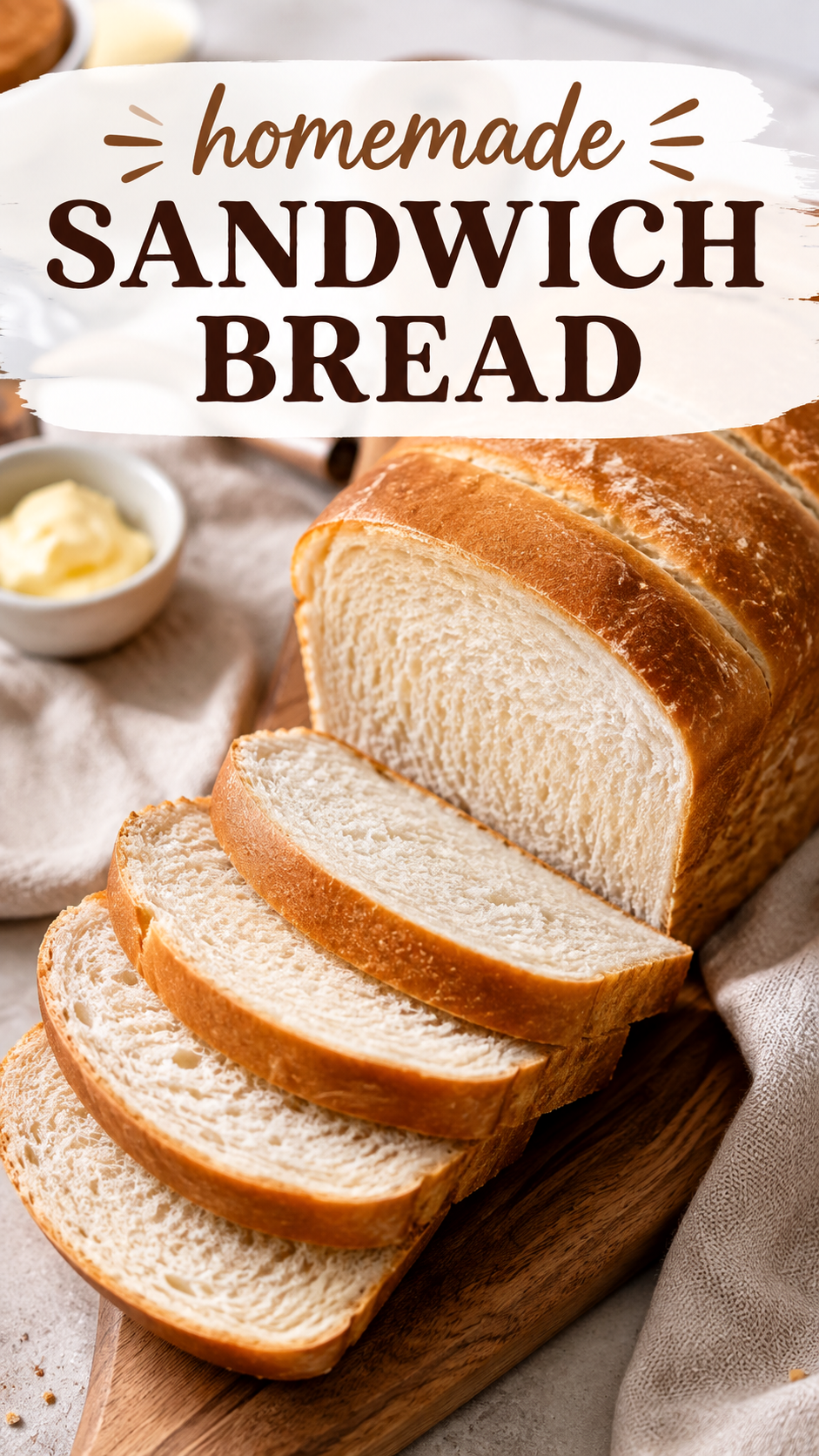
Fresh bread has a rich flavor and tender crumb that makes every meal feel special. Baking at home also allows you to control the ingredients, avoid unnecessary preservatives, and customize the loaf to match your family’s preferences.
Important: Homemade sandwich bread stays wonderfully soft when mixed, kneaded, and proofed correctly. Taking your time during each stage produces a loaf with excellent texture and a beautiful rise.
Unlike artisan breads with thick crusts, sandwich bread focuses on softness. The crust remains light while the interior stays fluffy enough for everything from grilled cheese to classic peanut butter and jelly sandwiches.
Essential Ingredients for Soft Bread
The beauty of homemade bread lies in its simplicity. Most recipes rely on ingredients that are already found in many kitchens.
- All purpose or bread flour
- Warm water or milk
- Active dry or instant yeast
- Sugar or honey
- Salt
- Butter or oil
Choosing the Right Flour
Bread flour contains more protein, helping develop stronger gluten for a higher rise and chewier texture. All purpose flour also creates delicious sandwich bread with a slightly softer crumb.
The Role of Yeast
Yeast transforms simple dough into a light and airy loaf. Warm liquid activates the yeast, while enough resting time allows it to produce the bubbles that create a soft interior.
How to Make Homemade Sandwich Bread
1. Mix the Dough
Combine the wet and dry ingredients until a rough dough forms. Mix until no dry flour remains.
2. Knead Thoroughly
Kneading develops gluten, giving the loaf structure and elasticity. The dough should become smooth, soft, and slightly elastic.
3. Allow the First Rise
Place the dough in a lightly greased bowl, cover it, and let it rise until doubled in size. Patience during this stage greatly improves the final texture.
Expert Insight
A slightly sticky dough usually produces softer sandwich bread than an overly dry dough. Resist adding too much flour unless absolutely necessary.
4. Shape the Loaf
Gently press out excess air, roll the dough tightly, and place it into a loaf pan with the seam underneath.
5. Second Rise
The shaped loaf should rise until it crowns just above the edge of the pan before baking.
6. Bake Until Golden
Bake until the crust develops a beautiful golden brown color and the loaf sounds hollow when tapped.
Pro Tip: Brush the warm loaf with melted butter immediately after baking for an even softer crust and a beautiful finish.
Common Mistakes to Avoid
- Using liquid that is too hot for the yeast.
- Adding excessive flour during kneading.
- Skipping the second rise.
- Cutting into the loaf before it has cooled.
- Underbaking the bread.
Creative Ways to Enjoy Homemade Bread
Fresh sandwich bread is incredibly versatile and can be used throughout the day.
Breakfast Ideas
- Buttered toast
- French toast
- Breakfast sandwiches
- Avocado toast
Lunch Favorites
- Classic turkey sandwiches
- Grilled cheese
- Chicken salad sandwiches
- Vegetable sandwiches
Dinner Pairings
- Garlic toast
- Soup accompaniment
- Open faced sandwiches
- Homemade croutons
Storage Tips
Store homemade sandwich bread in a sealed bread bag or airtight container once completely cool. It typically stays fresh for several days at room temperature.
Important: Slice only what you need when possible. Keeping the loaf intact helps preserve moisture and freshness for a longer period.
If you bake multiple loaves, freeze them after cooling completely. Frozen bread thaws beautifully and tastes remarkably fresh.
Why Homemade Bread Continues to Grow in Popularity
Home baking has become more popular because people appreciate fresh ingredients, rewarding kitchen projects, and the ability to create comforting foods from scratch. Homemade sandwich bread perfectly combines simplicity, versatility, and everyday practicality.
Quick Points
- Simple ingredients create impressive results.
- Proper proofing produces the softest texture.
- Perfect for sandwiches, toast, and meal prep.
- Freezes well for future meals.
Conclusion
Homemade sandwich bread is one of the most rewarding recipes any home baker can master. Its soft crumb, golden crust, and incredible versatility make it an everyday favorite for breakfast, lunch, dinner, and snacks. By understanding the basics of quality ingredients, proper kneading, and patient proofing, you can consistently create bakery style loaves that your family will love. Whether you are baking your very first loaf or refining your favorite recipe, homemade bread delivers freshness, comfort, and satisfaction in every slice.
Tags
Bread Recipes Homemade Bread Sandwich Bread Soft Bread Yeast Bread Home Baking Easy Baking Loaf Bread