Mango Coconut Cake Recipe Easy Tropical Dessert Recipe
Mango coconut cake is the kind of dessert that instantly brings a tropical feel to the table. This soft layered cake combines fluffy coconut cake, bright mango filling, and creamy coconut frosting, then finishes everything with fresh diced mango and shredded coconut. The result is a beautiful dessert with layers of contrasting texture and plenty of sunny fruit flavor.
Key Takeaways
- This mango coconut cake combines tender coconut cake with a fruity mango filling.
- Very ripe mangoes give the filling a naturally sweeter, more vibrant flavor.
- Shredded coconut adds texture to both the cake and its creamy frosting.
- Cooling the finished cake helps the layers set neatly before slicing.
- The tropical flavor combination works especially well for celebrations and warm-weather gatherings.
Why Mango and Coconut Make Such a Great Cake
Mango and coconut are a natural pairing in desserts. Mango brings juicy sweetness and a gentle tang, while coconut contributes a rich, creamy character and a delicate nutty aroma. When combined in a layered cake, neither flavor needs to overpower the other.
The recipe shown here uses coconut in several ways. Shredded coconut is incorporated into the cake batter, while the frosting is also finished with shredded coconut. Mango takes center stage in the filling and on top of the cake, creating a colorful contrast against the pale coconut coating.
Important: The biggest flavor advantage comes from using ripe, flavorful mangoes. Because mango is one of the main ingredients, naturally sweet fruit can make the filling taste much more vibrant without relying entirely on added sugar.
What You Need for Mango Coconut Cake
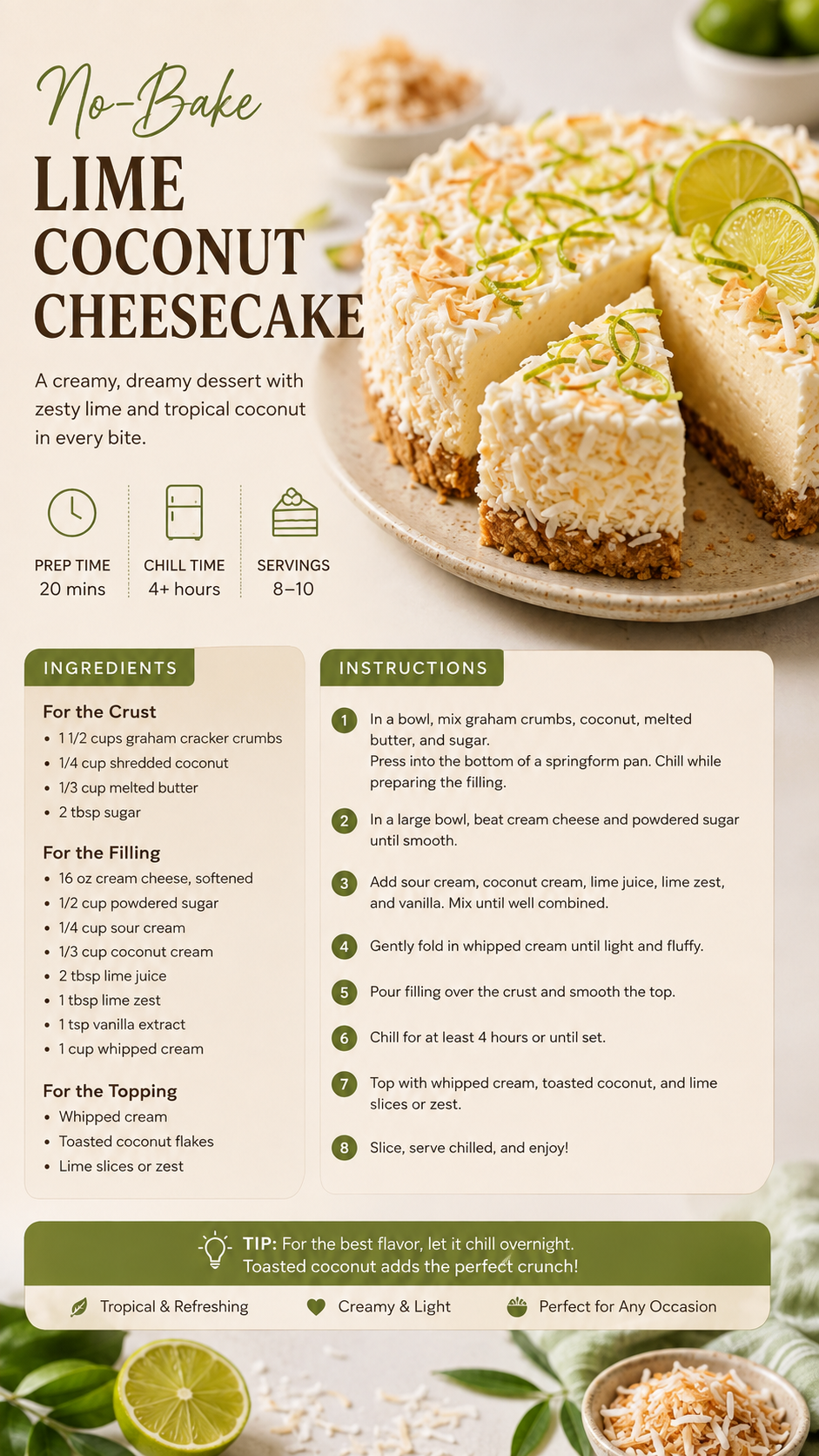
The recipe is built from three main components: the coconut cake, mango filling, and coconut cream frosting. Each part has a straightforward role, and together they create the layered dessert shown in the image.
For the Coconut Cake
The cake uses all-purpose flour as its base, along with baking powder and baking soda for lift. Salt balances the sweetness, while softened unsalted butter and granulated sugar create the rich, fluffy foundation.
- All-purpose flour
- Baking powder
- Baking soda
- Salt
- Unsalted butter
- Granulated sugar
- Large eggs
- Vanilla extract
- Coconut milk
- Shredded coconut
The combination of coconut milk and shredded coconut gives the cake its signature tropical character. Vanilla helps round out the flavor and keeps the coconut notes pleasantly balanced.
For the Mango Filling
The mango layer is made with diced mango, sugar, lemon juice, and cornstarch. The fruit is cooked briefly to concentrate its flavor, while cornstarch helps create a thicker consistency that can sit between cake layers.
- Diced mango
- Sugar
- Lemon juice
- Cornstarch
Lemon juice is a particularly useful addition because a small amount of acidity can make sweet mango taste brighter and more defined.
For the Coconut Cream Frosting
The frosting is simple and creamy, using heavy cream, powdered sugar, vanilla extract, and shredded coconut. Whipping the cream creates a light texture that complements rather than overwhelms the soft cake.
- Heavy cream
- Powdered sugar
- Vanilla extract
- Shredded coconut
How to Make the Coconut Cake Layers
Start by preheating the oven to 175°C (350°F). Grease and line two 8-inch round cake pans so the finished layers release easily. Preparing the pans before mixing the batter keeps the process smooth and helps prevent unnecessary waiting once the batter is ready.
Whisk the flour, baking powder, baking soda, and salt together in a bowl. Mixing the dry ingredients first helps distribute the leavening agents evenly throughout the flour.
In a separate bowl, beat the softened butter and sugar until the mixture becomes light and fluffy. Add the eggs one at a time, mixing between additions, and then stir in the vanilla extract.
The dry ingredients are then added alternately with coconut milk. This approach helps maintain a smooth batter without overworking the flour. Finally, fold in the shredded coconut.
- Prepare and line two round cake pans.
- Whisk the dry ingredients together.
- Cream the butter and sugar until light and fluffy.
- Add the eggs gradually, followed by vanilla.
- Alternate the dry ingredients with coconut milk.
- Fold in shredded coconut.
- Divide the batter between the pans.
- Bake for approximately 30 to 35 minutes, checking for doneness with a toothpick.
- Allow the layers to cool completely before assembling.
Pro Tip: Do not rush the cooling stage. Warm cake layers can make a creamy filling and whipped frosting slide or soften. Fully cooled layers are much easier to assemble and produce cleaner slices.
Make the Bright Mango Filling
While the cake layers cool, prepare the mango filling. Combine diced mango, sugar, and lemon juice in a saucepan and cook for about 5 to 7 minutes. The goal is to soften and concentrate the fruit without losing the character that makes fresh mango so appealing.
Mix the cornstarch with water separately to create a smooth slurry. Stir this into the mango mixture and continue cooking until the filling thickens. Once it reaches a spoonable consistency, remove it from the heat and allow it to cool completely.
A properly cooled mango filling is important during assembly. If the fruit mixture is still warm, it can loosen the frosting and make the cake layers difficult to stack.
Whip the Coconut Cream Frosting
For the frosting, whip heavy cream with powdered sugar and vanilla until it becomes light and fluffy. Fold in shredded coconut gently so the mixture keeps its airy texture.
The frosting should be thick enough to spread over the cake without running. Keeping the cream cold while whipping can help produce a more stable texture, especially when the finished cake needs to stand for a while before serving.
Expert Insight
- Use ripe mangoes for stronger natural sweetness and aroma.
- Cool the mango filling completely before spreading it between the layers.
- Apply the frosting in an even layer so the coconut coating stays neat.
How to Assemble the Layered Cake
Once every component has cooled, place one coconut cake layer on a serving plate. Spread the mango filling across the surface, keeping the layer reasonably even so the second cake layer sits securely.
Place the second cake layer on top and gently press it into position. Cover the top and sides with the coconut cream frosting. A thin, even coating provides a smooth base for the shredded coconut.
Press shredded coconut onto the frosting around the sides and top. Finish with fresh diced mango scattered generously over the top. The colorful mango pieces are not only decorative but also reinforce the tropical flavor of the cake.
Important: For the cleanest presentation, chill the assembled cake for about one hour before slicing. The cooler temperature helps the filling and frosting firm up, making it easier to cut distinct layers without disturbing the mango center.
Tips for a Beautiful Mango Coconut Cake
Choose Flavorful Mangoes
Ripe mangoes are the star of this dessert. Look for fruit that is fragrant, juicy, and naturally sweet. Since the mango appears in both the filling and the topping, its quality has a noticeable effect on the finished cake.
Keep the Layers Even
Even cake layers make a stacked dessert look polished and help distribute the mango filling consistently. If the tops of the baked cakes rise unevenly, they can be gently leveled once completely cool.
Do Not Overload the Filling
A generous mango layer is delicious, but too much filling can squeeze outward when the second cake layer is placed on top. A controlled, even layer gives you plenty of fruit flavor while keeping the cake stable.
Finish with Plenty of Texture
Shredded coconut gives the cake its distinctive snowy appearance and adds a pleasant contrast to the smooth frosting. Fresh mango on top then provides a bright, juicy finish that makes every slice visually inviting.
When to Serve This Tropical Dessert
This mango coconut cake has a celebratory appearance, making it a natural choice for birthdays, afternoon gatherings, family celebrations, and holiday dessert tables. Its tropical flavor profile also makes it especially appealing when you want something lighter and fruit-forward compared with a very rich chocolate or caramel cake.
The cake can also become a centerpiece for a casual weekend baking project. The individual components are straightforward, and preparing the filling and frosting while the cake layers cool helps divide the work into manageable stages.
Storage and Serving Tips
Because the cake contains whipped cream frosting and fresh mango, it is best kept chilled until serving. Refrigeration also helps the layered structure stay firm and makes slicing easier.
For the best texture, allow chilled slices to sit briefly before eating rather than serving them immediately from a very cold refrigerator. This gives the cake, mango filling, and coconut frosting a chance to soften slightly and lets their flavors come forward.
When slicing, use a sharp knife and wipe it clean between cuts if you want especially neat layers. A clean slice reveals the soft coconut cake, golden mango filling, creamy frosting, and coconut coating all at once.
At a Glance
- Prep time: About 25 minutes
- Bake time: About 30 to 35 minutes
- Yield: Approximately 8 to 10 servings
- Main flavors: Mango, coconut, vanilla, and lemon
- Best tip: Chill the assembled cake before slicing
Conclusion
Mango coconut cake brings together everything that makes a memorable homemade dessert appealing: tender cake, creamy frosting, bright fruit, and plenty of texture. The combination of coconut and mango gives each layer a distinct role while keeping the overall flavor fresh and tropical.
For the best result, focus on the details that matter most: use ripe mangoes, avoid overmixing the cake batter, cool every component before assembly, and give the finished cake time to chill. With those simple steps, you can create a layered dessert that looks impressive while remaining approachable enough for a home baking project.
Whether you are planning a celebration or simply craving a tropical dessert, this mango coconut cake is a beautiful way to bring bright fruit flavor and coconut goodness to the table. Save the recipe for your next baking day and enjoy a slice chilled, creamy, fruity, and wonderfully coconutty.