Easy Meal Prep Recipes for Healthy Make-Ahead Lunches Dinners
Meal prep recipes can make busy weeks feel far more manageable, especially when your meals are prepared, portioned, and ready to reach for in the refrigerator. A few simple ingredients packed into sturdy glass containers can turn everyday lunches and dinners into something that feels organized, fresh, and satisfying. Whether you are preparing meals for work, planning easy weeknight dinners, or simply trying to keep your kitchen more organized, a practical meal prep routine can save time and reduce daily decision-making.
The meals shown here highlight one of the easiest approaches to meal prep: preparing colorful, balanced combinations in advance and storing them in convenient containers. Fresh vegetables, hearty ingredients, and flavorful toppings can be mixed and matched throughout the week, giving you plenty of variety without requiring a completely different recipe every day.
Key Takeaways
- Prepare several portions at once to simplify busy weekdays.
- Use clear glass containers to make prepared meals easy to see and organize.
- Combine colorful vegetables with filling grains, beans, or other hearty ingredients.
- Keep sauces and delicate toppings separate when possible for better texture.
- Choose flexible ingredients that can be used in several different meals.
- Build a routine that feels realistic rather than overly complicated.
Why Meal Prep Recipes Are Worth Making
Meal prep is not about making every meal perfectly identical. The real benefit is creating a small collection of ready-to-eat components that make cooking and assembling meals much easier. When vegetables, grains, beans, salads, or other ingredients are prepared ahead of time, you can put together a satisfying meal in minutes instead of starting from scratch.
For many people, the biggest advantage is convenience. A prepared container waiting in the refrigerator can be especially useful on mornings when there is no time to cook lunch or on evenings when energy is limited. Having something ready can also make it easier to stay consistent with the types of meals you want to eat.
Important: The best meal prep routine is one you can repeat comfortably. Start with a few meals you genuinely enjoy, prepare manageable portions, and build from there. Simple preparation done consistently is often more useful than an elaborate plan that becomes difficult to maintain.
How to Build Easy Meal Prep Recipes
A good meal prep recipe does not need a long ingredient list. Instead, focus on a few components that complement one another. A useful formula is to combine a filling base, colorful vegetables, a source of protein, and a flavorful finishing element.
1. Start With a Filling Base
Grains and other hearty ingredients make excellent foundations for meal prep because they can provide texture and substance. Depending on your preferences, you might use cooked rice, quinoa, pasta, couscous, potatoes, or another grain-based option. Preparing a larger batch means you can use the same base in several meals without repeating the exact same combination.
The containers in this style of meal prep demonstrate how a substantial base can work alongside vegetables and other colorful ingredients. Keeping the components visually distinct can also make the meals more appealing when you open the refrigerator.
2. Add Plenty of Colorful Vegetables
Vegetables bring color, texture, freshness, and variety to make-ahead meals. Leafy greens, tomatoes, corn, peppers, cucumbers, carrots, and other vegetables can all work well depending on the recipe. Combining different colors makes a meal look more inviting while giving you plenty of ways to change the flavor from one container to another.
For meal prep salads, consider placing sturdier ingredients toward the bottom and more delicate greens toward the top. This simple arrangement can help protect leafy ingredients from excess moisture until you are ready to eat.
3. Include a Satisfying Protein
Protein can make a prepared meal more filling and versatile. Beans and chickpeas are convenient options for plant-forward meal prep, while eggs, chicken, fish, tofu, or other protein choices can be used depending on your eating preferences and recipe.
When planning several meals, choose one or two protein options that can be paired with different vegetables and bases. This keeps preparation simple while still giving you enough variety to avoid feeling like every meal is exactly the same.
4. Finish With Flavor
A flavorful dressing, sauce, herbs, spices, or simple seasoning can completely change a meal. This is particularly useful when you are preparing multiple containers at once. One batch of vegetables and grains can become several different meals simply by changing the seasoning or dressing.
If you are preparing salads in advance, consider storing wet dressings separately. Adding dressing shortly before serving helps maintain the texture of leafy greens and crunchy vegetables.
Expert Insight
Think of meal prep as a mix-and-match system rather than a collection of rigid recipes. Prepare a few versatile ingredients, then combine them in different ways. This approach gives you the convenience of batch cooking while keeping your meals interesting throughout the week.
Choosing the Right Meal Prep Containers
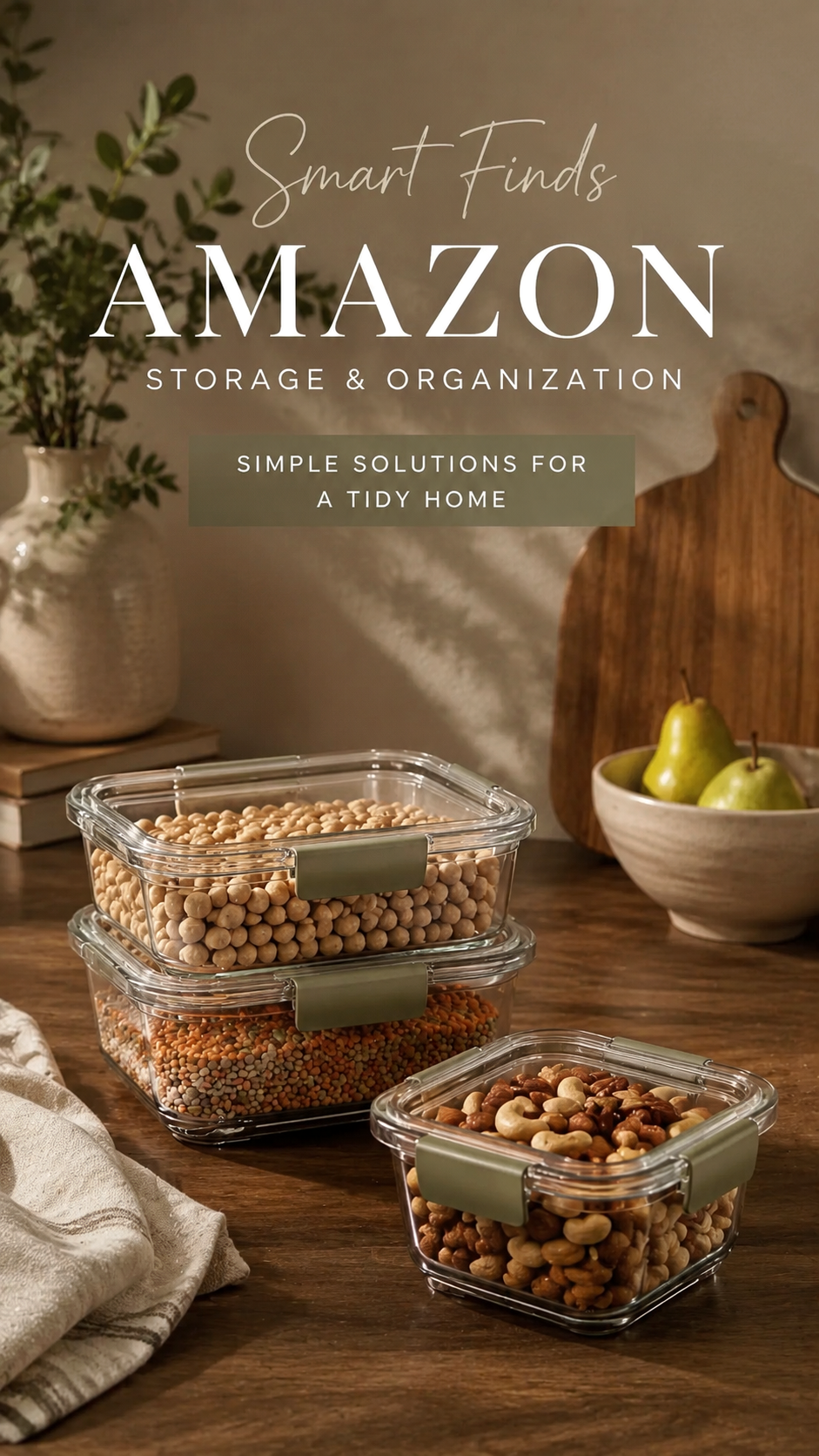
Storage containers are an important part of an effective meal prep routine. The glass containers pictured here are especially practical for organizing prepared meals because their transparent design makes it easy to see what is inside. When meals are visible, you are less likely to forget what you prepared or allow containers to disappear behind other items in the refrigerator.
Look for containers with secure lids and a shape that stacks comfortably in your refrigerator. Rectangular containers are particularly useful because they make efficient use of shelf space. Choosing several containers of similar sizes can also make your meal prep station look cleaner and help keep your refrigerator organized.
For recipes containing sauces or ingredients that can become soggy, containers with separate compartments or small sauce containers can be helpful. The goal is not to buy a large collection of storage products. A dependable set that fits your routine is usually enough.
Meal Prep Ideas for Busy Weekdays
Once you have the basic formula, there are countless ways to create easy meal prep recipes. Start with combinations that use ingredients you already enjoy, then experiment with different flavors.
- Colorful grain bowls: Pair a hearty grain with vegetables, beans, greens, and a flavorful dressing.
- Make-ahead salads: Layer sturdy vegetables and protein with greens, keeping dressing separate until serving.
- Chickpea and vegetable bowls: Combine chickpeas with grains, tomatoes, corn, herbs, and a simple dressing.
- Healthy lunch boxes: Divide a mixture of vegetables, protein, grains, and fresh toppings into individual portions.
- Flexible dinner bowls: Prepare several components in advance and assemble different combinations throughout the week.
How to Keep Meal Prep From Getting Boring
Variety is one of the biggest secrets to successful meal prep. You do not necessarily need different ingredients for every day. Instead, change the way you combine and season familiar ingredients.
For example, the same cooked grain can become the base for a fresh salad one day and a more substantial bowl another day. Different herbs, dressings, spices, or toppings can create noticeably different flavors without adding much extra preparation.
Pro Tip: Prepare neutral ingredients in larger batches and add stronger flavors when assembling individual meals. This gives you more flexibility and makes it easier to adjust meals to your mood during the week.
A Simple Meal Prep Routine
You can make the process easier by following a repeatable routine. Begin by deciding how many meals you realistically need. Then choose one base, one or two proteins, several vegetables, and one or two sauces or seasonings.
- Choose your meals for the upcoming days.
- Make a short ingredient list before cooking.
- Prepare ingredients that take the longest first.
- Wash, chop, and portion vegetables while other ingredients cook.
- Allow cooked foods to cool appropriately before packing them for storage.
- Divide the finished ingredients into clearly organized containers.
- Keep delicate toppings and dressings separate when needed.
- Place the prepared meals where they are easy to see and reach.
This approach can turn meal preparation into a predictable weekly habit rather than a large project. Even preparing a few lunches at a time can make a meaningful difference when your schedule is busy.
Smart Storage and Organization Tips
Organization matters almost as much as the recipes themselves. Arrange prepared containers together so they are easy to identify. Clear glass storage makes this particularly convenient because you can quickly check portions without opening every lid.
Keep similar foods grouped together and place meals you plan to eat first where they are easiest to access. Labeling containers with the meal name or preparation date can also be useful when you are preparing several different recipes.
Remember that storage times depend on the specific ingredients, preparation methods, refrigerator conditions, and applicable food-safety guidance. When in doubt, follow reliable food-safety recommendations and use your best judgment rather than keeping prepared food longer than appropriate.
Make Meal Prep a Habit You Enjoy
The most sustainable meal prep routine is one that fits naturally into your lifestyle. You do not have to prepare an entire week’s worth of food every time. Some weeks, preparing two or three lunches may be enough. Other weeks, you may have more time to prepare several complete meals.
Focus on convenience, flexibility, and foods you genuinely enjoy. Use attractive containers, keep ingredients organized, and experiment with combinations that make you excited to open the refrigerator. A little preparation can make healthy, homemade meals much easier to reach for when the week becomes hectic.
Quick Points
- Batch preparation saves time on busy days.
- Glass containers keep meals visible and organized.
- Colorful vegetables add variety and visual appeal.
- Mix-and-match ingredients prevent repetitive meals.
- Separate dressings can help preserve fresh textures.
Conclusion
Meal prep recipes are a simple way to bring more structure to busy weeks without making food preparation complicated. With a few versatile ingredients, colorful vegetables, satisfying proteins, and reliable storage containers, you can create convenient lunches and dinners that are ready when you need them.
The key is to keep your system practical. Choose recipes you enjoy, prepare ingredients in manageable batches, and use different combinations to keep meals fresh and interesting. Whether you are preparing vibrant salads, hearty grain bowls, or simple make-ahead lunches, a little organization can make everyday eating feel easier.
Final Tip: Start small and build your meal prep routine around what already works for you. A few ready-to-go meals can be enough to save time, reduce stress, and make your week feel more organized.