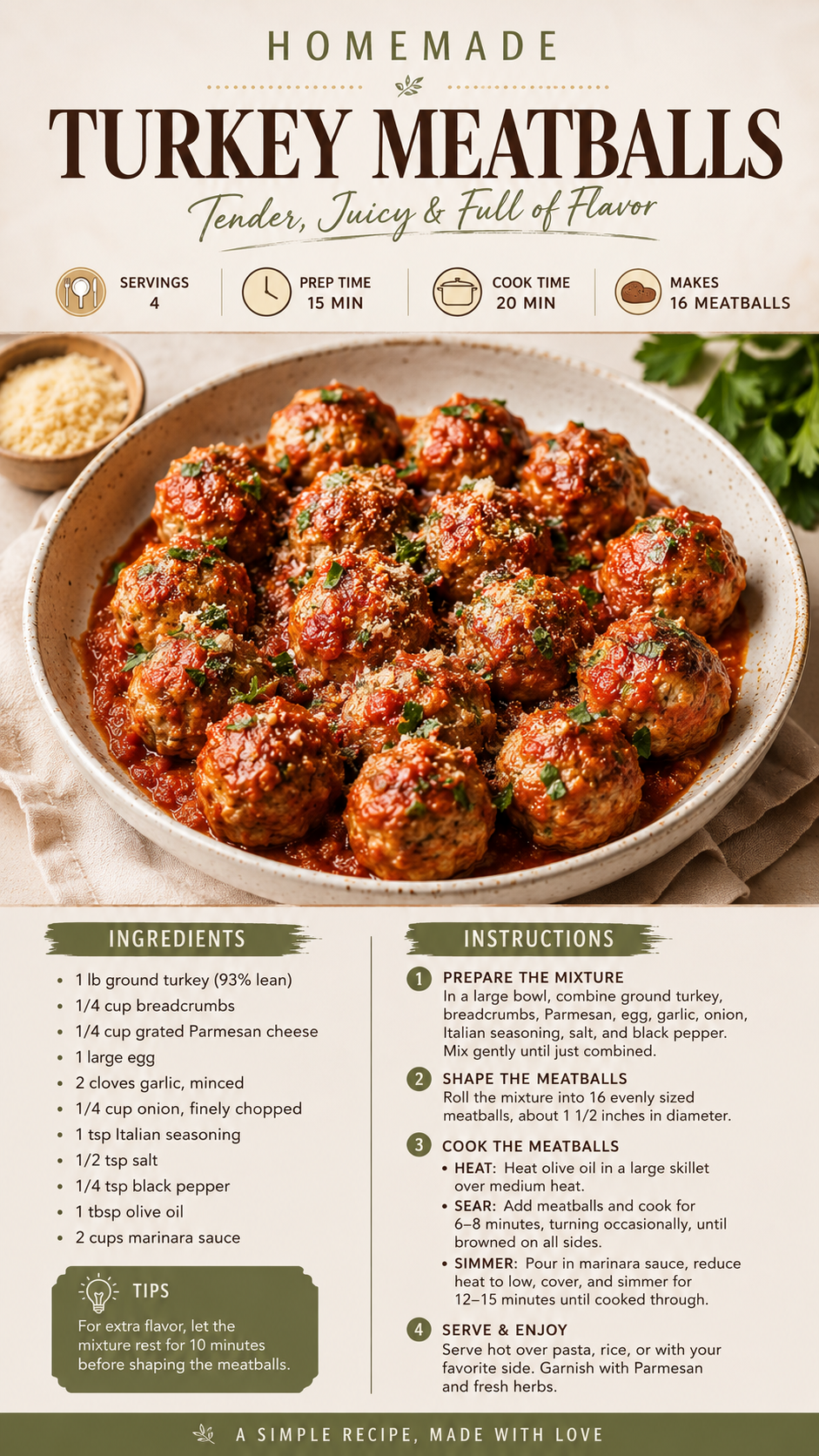
Healthy Dinner Recipes Easy, Quick Delicious Meals for Busy Weeknights
Healthy dinner recipes do not have to be complicated, time-consuming, or bland. A satisfying evening meal can be built around simple ingredients, colorful vegetables, quality protein, and wholesome carbohydrates while still delivering plenty of flavor. Whether you are planning quick weeknight meals, family-friendly dinners, or balanced dishes for a healthier routine, having a collection of reliable ideas makes cooking feel much easier.
Key Takeaways
- Build balanced dinners with protein, vegetables, and satisfying carbohydrates.
- Use simple ingredients to create flavorful meals without complicated techniques.
- Prep vegetables, grains, and proteins ahead of time to save effort on busy nights.
- Choose flexible recipes that can be adapted to different tastes and dietary preferences.
- Keep healthy sauces, herbs, and spices on hand to make everyday meals more exciting.
What Makes a Healthy Dinner?
A healthy dinner is less about following strict food rules and more about creating a satisfying combination of foods. A useful starting point is to include a source of protein, plenty of vegetables, a nourishing carbohydrate, and a modest amount of healthy fat. This simple approach gives you plenty of flexibility without making dinner feel restrictive.
Protein can come from chicken, fish, eggs, beans, lentils, tofu, or other options you enjoy. Vegetables add color, texture, fiber, and variety, while foods such as brown rice, potatoes, quinoa, whole-grain pasta, or other grains can make a meal more filling.
Important: A balanced dinner does not need to look perfect on every plate. Focus on variety over time, choose ingredients you genuinely enjoy, and make meals practical enough to fit your everyday routine.
Easy Healthy Dinner Recipes for Busy Weeknights
When the day has been hectic, dinner should work with your schedule rather than against it. The best quick dinner recipes use a small number of ingredients and straightforward cooking methods. Sheet-pan meals, one-pan skillets, grain bowls, stir-fries, and simple salads are especially useful because they can bring several components together with minimal cleanup.
1. Colorful Chicken and Vegetable Bowls
A chicken bowl is an easy foundation for a nutritious weeknight dinner. Start with cooked chicken and add a generous serving of roasted or sautéed vegetables. Serve everything over rice, quinoa, or another favorite grain, then finish with a simple dressing or yogurt-based sauce.
The beauty of a bowl is its flexibility. You can switch the vegetables according to the season, use leftover roasted chicken, or add beans for extra variety. Fresh herbs, lemon juice, garlic, or a sprinkle of seeds can add another layer of flavor without requiring an elaborate sauce.
2. Easy Sheet-Pan Dinner
Sheet-pan dinners are ideal when you want a complete meal with very little hands-on work. Combine a protein with vegetables on a baking sheet, season everything well, and roast until cooked through and tender. The high heat helps vegetables develop appealing roasted edges while keeping the preparation simple.
Try combinations such as chicken with peppers and broccoli, salmon with green vegetables, or chickpeas with a colorful mixture of vegetables. Keeping the ingredients roughly similar in size helps them cook more evenly.
3. Wholesome Stir-Fry
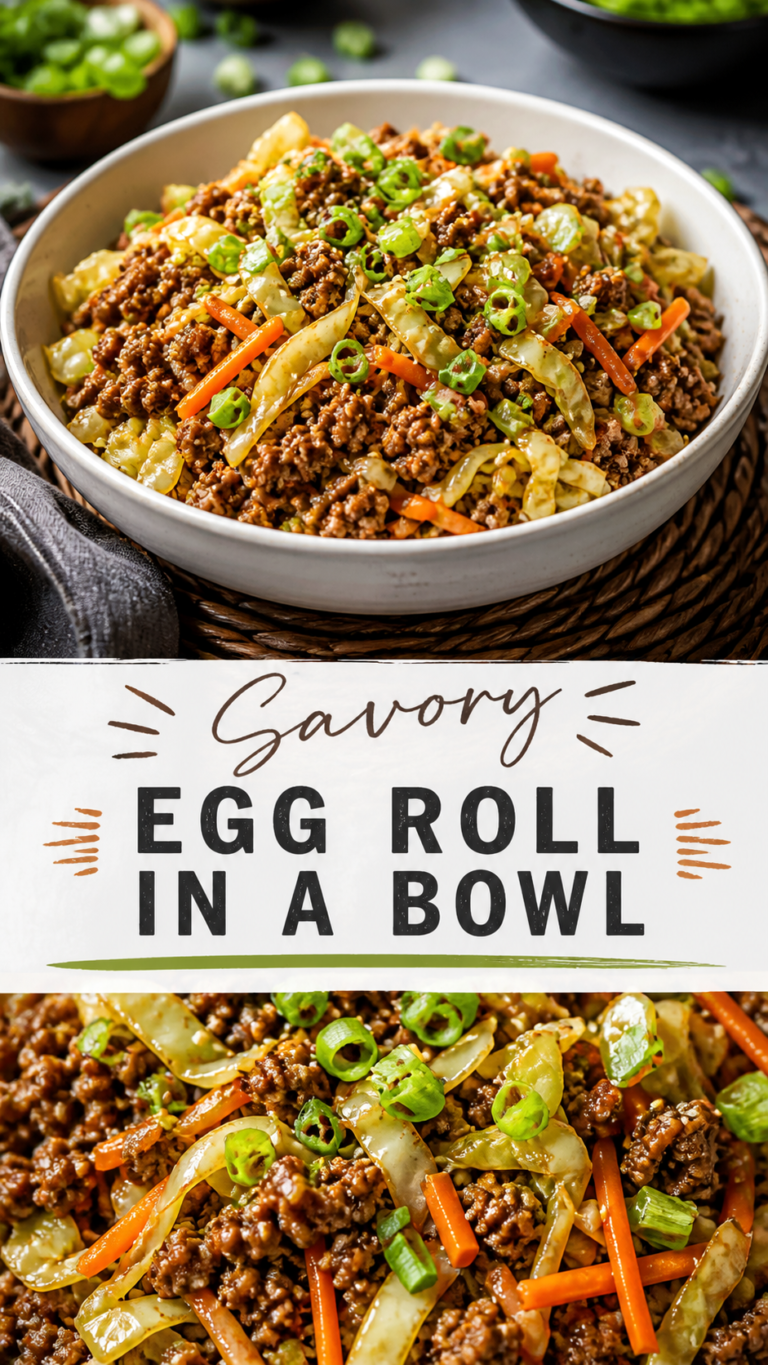
A vegetable stir-fry is one of the fastest ways to turn fresh ingredients into a satisfying dinner. Use a hot skillet or wok, cook your protein first, then add vegetables in stages according to how quickly they soften. Finish with a flavorful combination of ingredients such as garlic, ginger, citrus, herbs, or a savory sauce.
Serve the stir-fry with brown rice, quinoa, noodles, or another grain. For a plant-forward version, tofu, edamame, beans, or lentils can provide a hearty alternative to meat.
How to Build a Balanced Dinner Plate
Creating balanced meals becomes much easier when you stop thinking about individual recipes and start thinking about components. Instead of asking what single dish you should make, consider which protein, vegetables, carbohydrate, and flavor element you already have available.
- Choose your protein: Chicken, fish, eggs, tofu, beans, lentils, or another preferred option.
- Add vegetables: Use a mix of colors, textures, and cooking methods whenever possible.
- Include a satisfying carbohydrate: Potatoes, whole grains, rice, pasta, or another favorite staple can round out the meal.
- Finish with flavor: Herbs, spices, citrus, nuts, seeds, dressings, or a simple sauce can transform basic ingredients.
This method also makes meal planning easier. If you prepare a few basic components at the beginning of the week, you can combine them differently each evening instead of starting from scratch.
Why This Matters
The most sustainable healthy eating habits are usually the ones that are convenient enough to repeat. Preparing versatile ingredients in advance can reduce last-minute takeout decisions while giving you more control over what goes into your meals.
Healthy Dinner Ideas for Meal Prep
Meal prep does not mean every dinner needs to be identical. Instead, prepare ingredients that can be mixed and matched throughout the week. Cook a batch of grains, roast several types of vegetables, prepare a protein, and keep a few fresh ingredients available for finishing touches.
For example, roasted vegetables can become part of a grain bowl one night and a filling salad the next. Cooked chicken can be served with vegetables and potatoes, added to a wrap, or combined with grains and a flavorful dressing. This approach gives you variety while keeping the amount of cooking manageable.
Keep Flavor Components Ready
A healthy meal can become much more appealing with a flavorful finishing element. Keep ingredients such as fresh lemon, garlic, herbs, spices, salsa, tahini, plain yogurt, or simple homemade dressings available. A small addition can make familiar ingredients taste completely different.
Tips for Making Healthy Dinners More Enjoyable
Healthy eating should still be enjoyable. If dinner feels like a collection of bland or repetitive foods, it becomes difficult to maintain the habit. Instead, focus on seasoning generously and experimenting with different textures and cooking methods.
- Roast vegetables for deeper flavor and a satisfying texture.
- Use herbs and spices to create variety without relying on complicated recipes.
- Add contrasting textures with crunchy vegetables, toasted seeds, or nuts.
- Make simple sauces so the same basic ingredients can become different meals.
- Keep favorite foods in rotation instead of trying to reinvent dinner every night.
Pro Tip: Cook with flavor in mind from the beginning. Browning ingredients, seasoning each layer, and finishing with something fresh such as lemon juice or herbs can make simple healthy meals feel restaurant-worthy.
Simple Swaps for Healthier Weeknight Meals
Small changes can make everyday dinners more nourishing without completely changing the foods you love. Choose whole or minimally processed ingredients when practical, add more vegetables to familiar recipes, and use sauces and toppings thoughtfully.
You might add extra vegetables to pasta, serve a smaller portion of a rich main dish alongside a large salad, or replace part of a refined grain with a whole-grain alternative. Beans and lentils can also be incorporated into soups, bowls, salads, and other meals for added variety.
The goal is not perfection. A flexible approach allows you to enjoy comfort foods while also making room for nutrient-rich meals that support a balanced routine.
A Simple Weekly Healthy Dinner Plan
Having a loose plan can remove much of the stress from deciding what to cook. You do not need seven completely different recipes. Choose a few versatile meals and reuse ingredients in creative ways.
- Start with a bowl: Pair a grain, protein, vegetables, and a fresh dressing.
- Plan a sheet-pan meal: Roast a protein and several vegetables together.
- Add a stir-fry: Use whatever vegetables need to be eaten and serve with a favorite grain.
- Choose a lighter pasta: Add plenty of vegetables and a protein for a complete meal.
- Finish with leftovers: Turn remaining ingredients into wraps, salads, bowls, or a simple soup.
At a Glance
- Prioritize variety instead of perfection.
- Combine protein, vegetables, carbohydrates, and flavorful toppings.
- Use one-pan and bowl-style meals for easy cleanup.
- Prepare versatile ingredients ahead of time.
- Keep seasonings and simple sauces ready to make meals exciting.
Conclusion
Healthy dinner recipes can be simple, colorful, flavorful, and genuinely satisfying. By focusing on balanced ingredients rather than complicated rules, you can create meals that work for busy weeknights and still feel enjoyable. Start with a protein you like, add plenty of vegetables, choose a satisfying carbohydrate, and finish with seasonings or a sauce that brings everything together.
Whether you are preparing dinner for yourself, your family, or planning meals for the week ahead, a little preparation can make healthy cooking much easier. Save your favorite combinations, experiment with different flavors, and build a collection of dependable recipes you will actually look forward to making.
Tags
Healthy Dinner Recipes Easy Healthy Meals Quick Dinner Ideas Healthy Weeknight Dinners Balanced Meals Meal Prep Ideas Nutritious Recipes