Beginners Guide to French Macarons Easy Dessert Recipes Baking Tips
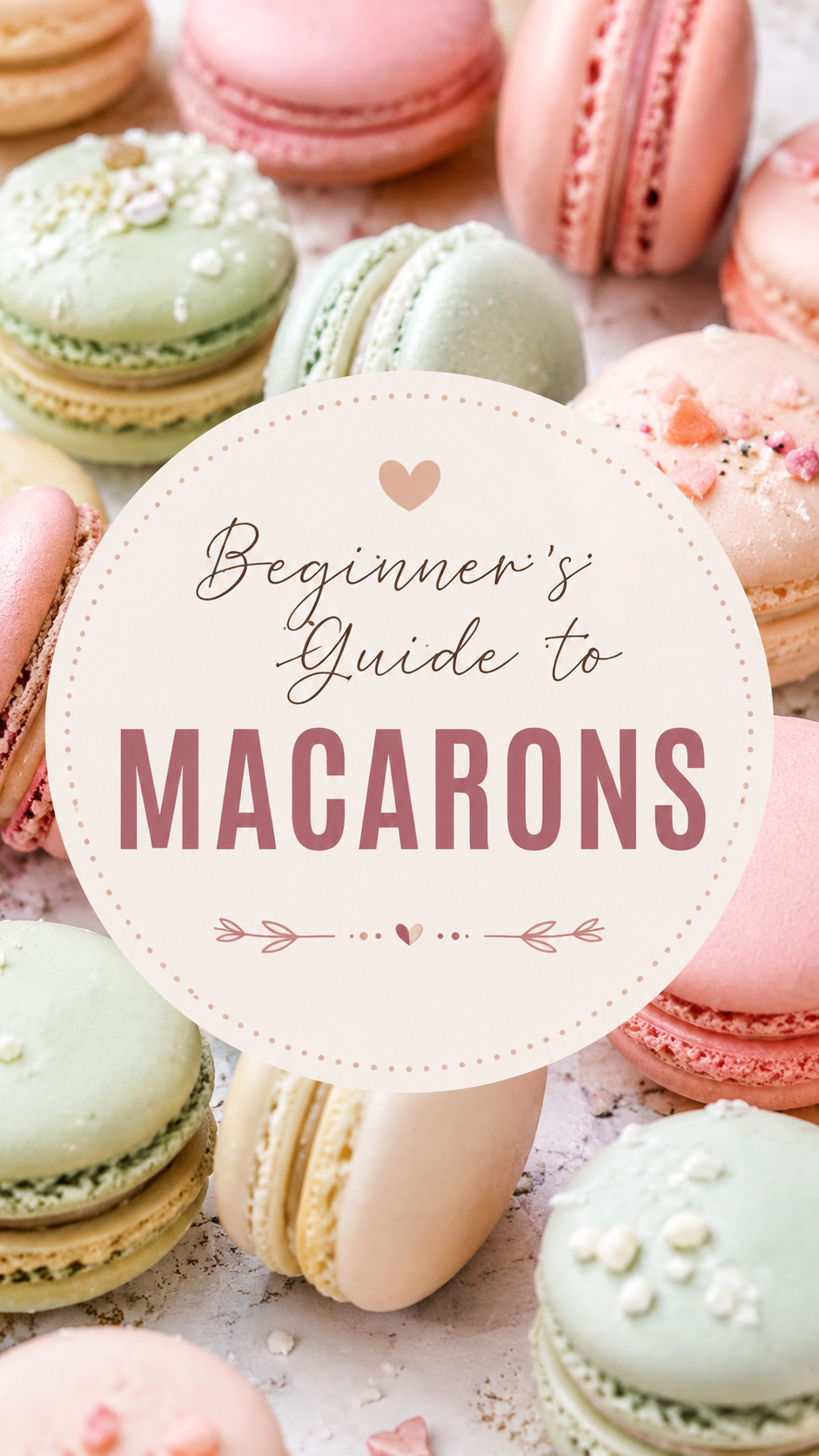
Few desserts are as charming as a colorful French macaron. With their smooth, delicate shells, crisp edges, and creamy centers, macarons have become a favorite for birthdays, afternoon tea, celebrations, and everyday baking projects. The pastel pink, green, white, and purple macarons shown here highlight just how beautiful these little treats can be when arranged together.
Key Takeaways
- French macarons are delicate sandwich cookies with crisp shells and soft fillings.
- Accurate measuring and careful mixing are essential for consistent results.
- Pastel colors make macarons especially attractive for dessert tables and celebrations.
- Allowing filled macarons to rest can improve their texture and flavor.
- Practice is the best way to become comfortable with macaron baking.
What Makes French Macarons So Special?
French macarons are small sandwich-style cookies made from a smooth almond-based mixture, usually paired with a sweet filling. Their appeal comes from contrast. The outer shell can be light and delicately crisp, while the interior becomes pleasantly soft and chewy. Between the shells, a layer of buttercream, ganache, curd, or another flavorful filling adds richness.
The colorful assortment in this dessert inspiration makes one thing immediately clear: macarons are as much about presentation as they are about flavor. Soft pastel shades create an elegant appearance, while different colors can be used to represent different flavors or fit a particular party theme.
Important: Macarons are often described as difficult because small changes in mixing, moisture, oven temperature, or technique can affect the finished shells. The good news is that each batch teaches you something, making this an excellent recipe category for bakers who enjoy improving their skills.
The Basic Components of a Macaron
Although macarons look sophisticated, their basic structure is surprisingly simple. The cookie itself is made from a few familiar ingredients, and the filling provides most of the opportunity for customization.
Almond-Based Shells
The shells traditionally rely on finely ground almond flour for their characteristic texture and flavor. Powdered sugar contributes sweetness and helps create a smooth batter, while egg whites provide the structure needed to form the shells.
The ingredients need to be incorporated carefully. A batter that is too thick may produce tall, uneven shells, while excessive mixing can make the mixture too loose. Learning to recognize the correct consistency is one of the most important steps in mastering homemade macarons.
Sweet Fillings
The filling is where a simple macaron can become a memorable dessert. Buttercream is a popular option because it is creamy, stable, and easy to flavor. Chocolate ganache adds a richer profile, while fruit-based fillings can bring brightness to sweet shells.
Vanilla, chocolate, raspberry, strawberry, pistachio, lemon, coconut, and coffee are all natural directions for experimenting. You can also match the filling color to the shell for a polished appearance or use contrasting colors for a more playful dessert.
How to Get Smooth, Attractive Macaron Shells
The smooth surface seen on beautifully prepared macarons comes from careful preparation. Start by measuring ingredients accurately rather than relying on volume measurements alone. Baking is sensitive to proportions, and precision becomes especially important with delicate recipes.
Sifting dry ingredients can help remove larger pieces and encourage a smoother mixture. When folding the batter, use controlled movements and pay attention to how it flows from the spatula. The goal is a batter that is fluid enough to settle but not so loose that it spreads uncontrollably.
Piping the Shells
Consistent piping helps create matching pairs. Hold the piping bag steadily above the baking surface and aim for similar-sized rounds. Once piped, gently tapping the baking sheet can help release some visible air bubbles and encourage the batter to settle.
Letting the piped shells sit before baking is another technique commonly used when making macarons. This resting period can help the surface develop a skin, although the ideal timing can vary depending on the recipe and the humidity of your kitchen.
Expert Insight
Consistency matters more than speed when making macarons. Measure carefully, fold patiently, pipe evenly, and make notes about each batch. Small observations can make a big difference the next time you bake.
Common Macaron Problems and What They Can Teach You
Macarons have a reputation for being temperamental, but many common problems can be approached as useful clues. If the shells crack, spread too much, remain hollow, or fail to develop the characteristic ruffled edge around the bottom, review your mixing, resting, piping, and baking process.
- Cracked tops: Air bubbles, an unsuitable batter consistency, or baking conditions may contribute to cracking.
- Uneven sizes: Inconsistent piping can make it difficult to match shells together.
- Excessive spreading: The batter may have been mixed too far or become too loose.
- Hollow centers: Several factors can contribute, including mixing and oven conditions.
- Uneven feet: Piping, resting, and heat distribution can all influence the finished shape.
Pro Tip: Avoid changing several parts of your process at once. If a batch does not turn out as expected, adjust one variable during your next attempt. This makes it much easier to understand what actually improved the results.
Choosing Colors and Flavors
One of the most enjoyable parts of making macarons is designing a color and flavor combination. The soft pastel palette shown here creates a delicate, bakery-style look that works beautifully for spring gatherings, baby showers, birthdays, bridal celebrations, tea parties, and elegant dessert tables.
For a coordinated collection, choose two or three colors rather than trying to use every shade at once. Soft pink can suggest berry or vanilla flavors, pale green can complement pistachio or lime-inspired combinations, and creamy white works well with classic vanilla or coconut.
Food coloring should be added thoughtfully because too much liquid can affect a delicate batter. Gel or powdered coloring is often preferred when a strong color is needed without introducing unnecessary liquid.
Macaron Filling Ideas to Try
Once you are comfortable with the basic shells, fillings open up endless possibilities. A classic vanilla buttercream creates a simple, elegant macaron. Chocolate ganache gives the cookies a deeper, more indulgent character, while fruit flavors can balance the sweetness.
- Raspberry buttercream: Bright and fruity with a beautiful pink color.
- Dark chocolate ganache: Rich, smooth, and ideal for chocolate lovers.
- Lemon buttercream: Fresh citrus notes can add contrast to sweet shells.
- Pistachio cream: A natural match for pale green macarons.
- Vanilla buttercream: Simple, versatile, and perfect for beginners.
- Strawberry filling: A cheerful choice for pink or pastel macarons.
How to Store Homemade Macarons
Macarons are often best after the filled shells have had time to rest together. Storing them in an airtight container helps protect their delicate texture and keeps them from absorbing unwanted moisture or odors from the refrigerator.
Because fillings vary, storage time can depend on the ingredients used. For homemade batches, follow the storage guidance for the specific filling and keep finished macarons properly chilled when necessary. Before serving, allowing refrigerated macarons to sit briefly at room temperature can make their texture more enjoyable.
Serving Ideas for Beautiful Dessert Displays
The visual appeal of macarons makes them especially easy to incorporate into dessert presentations. Arrange different colors together on a simple serving platter, stack them in small groups, or place them around other desserts for a colorful centerpiece.
For celebrations, coordinate the macaron colors with napkins, flowers, table decorations, or a cake. A mixture of pastel shades can create an elegant dessert table without requiring complicated decoration.
They also make lovely gifts. Place assorted macarons in a small food-safe box and arrange them by color or flavor. Even a simple presentation feels special because the cookies naturally provide an attractive pop of color.
A Beginner-Friendly Macaron Baking Mindset
When making macarons for the first time, focus on technique rather than perfection. It is normal for early batches to look different from the polished macarons seen in bakeries and dessert photography. The important thing is to understand what happened and use that information for your next attempt.
Keep a small baking notebook with the recipe, ingredient measurements, approximate resting time, oven settings, and observations about the finished shells. Over time, these notes can become one of your most useful baking resources.
At a Glance
- Measure ingredients accurately.
- Mix the batter carefully and watch its consistency.
- Pipe shells as evenly as possible.
- Experiment with complementary colors and flavors.
- Let filled macarons rest properly before serving.
Conclusion
Colorful French macarons are a wonderful example of how simple ingredients can become an elegant and eye-catching dessert. Their delicate shells, creamy fillings, and endless combinations make them equally appealing to beginners and experienced home bakers.
Whether you are preparing a special dessert table or simply want to learn a new baking technique, macarons are worth practicing. Start with a classic flavor, keep the colors simple, measure carefully, and give yourself room to learn. With patience and repetition, the process becomes much more approachable.
The pastel assortment featured here is also a reminder that desserts can be both delicious and beautiful. Save these macaron ideas for your next baking project and use them as inspiration for your own colorful collection of homemade treats. 🍪✨
Tags
Macaron Recipes French Macarons Dessert Recipes Baking Recipes Easy Desserts Homemade Desserts Macaron Ideas Sweet Treats