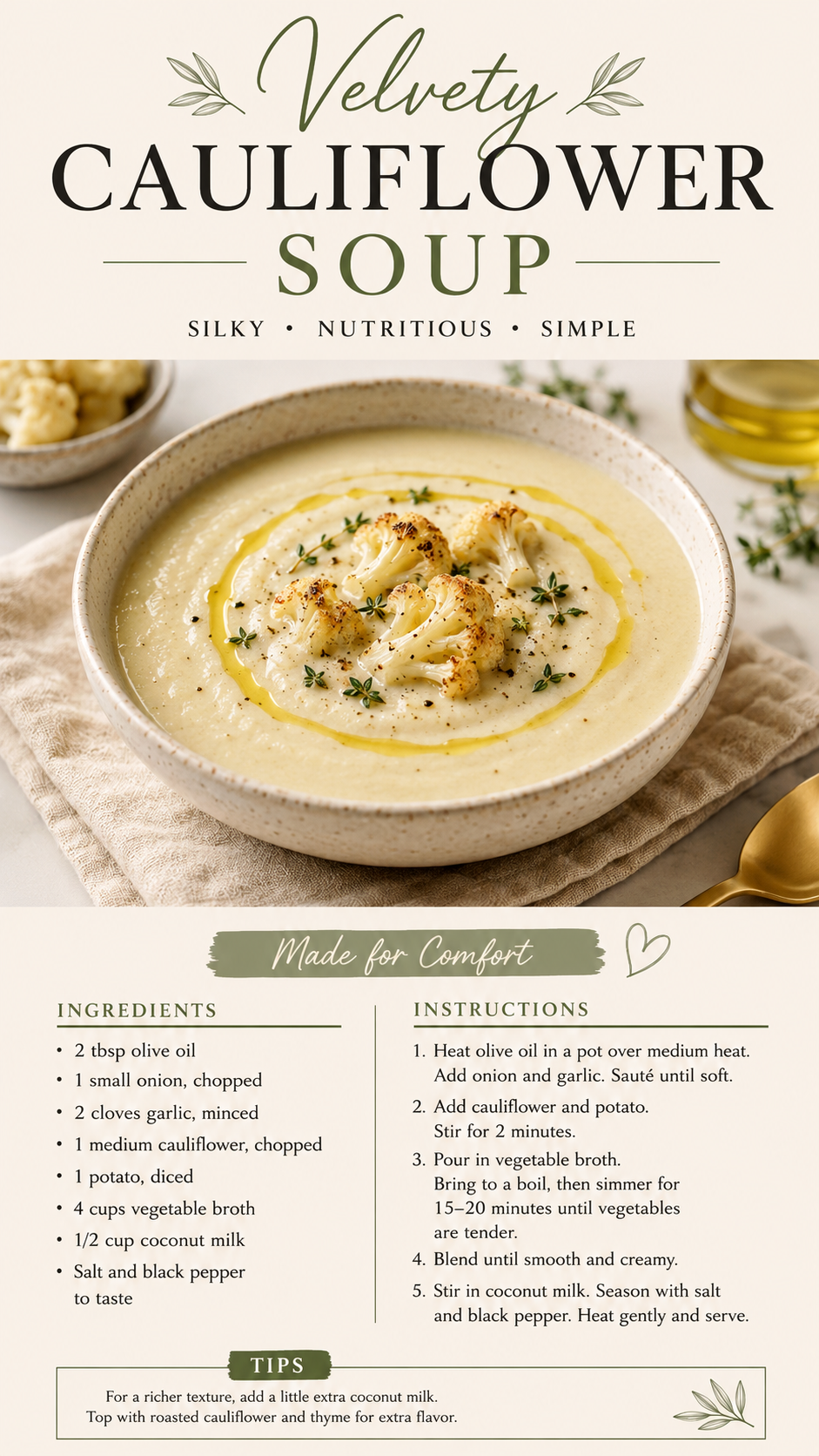
Creamy Homemade Soup Recipes for Cozy, Comforting Meals
There is something wonderfully comforting about a warm bowl of homemade soup. Whether you are craving a creamy bowl for a cozy evening, a hearty vegetable soup for lunch, or a simple chicken-based favorite for dinner, soup recipes offer endless ways to create satisfying meals with familiar ingredients. They are also wonderfully flexible, making them ideal for busy weeknights, relaxed weekends, and meal planning.
Key Takeaways
- Homemade soup can be simple, comforting, and adaptable.
- Use seasonal vegetables and pantry staples to build flavorful bowls.
- Creamy, brothy, hearty, and vegetable-based soups all offer different textures.
- Season gradually to create a balanced, flavorful broth.
- Soup is an easy option for make-ahead lunches and cozy family dinners.
Why Soup Recipes Are Perfect for Everyday Meals
Soup has a special place in home cooking because it can be both uncomplicated and incredibly satisfying. A good soup does not need a long list of ingredients to taste delicious. A flavorful base, vegetables, herbs, spices, and a few filling ingredients can come together to create a meal that feels complete.
Another reason soup recipes are so popular is their versatility. You can choose a light broth-based soup when you want something simple or prepare a rich, creamy version when you are looking for comfort food. Beans, lentils, chicken, potatoes, pasta, rice, and vegetables can all help turn a basic soup into a hearty meal.
Important: The best homemade soups are often built around balance. Layering aromatics, vegetables, seasonings, and liquid gradually gives the finished soup a deeper flavor than simply adding everything at once.
Essential Components of a Flavorful Homemade Soup
Although every recipe is different, many comforting soup recipes follow a simple structure. Understanding these components makes it easier to create your own variations without relying entirely on a recipe.
Start With Aromatics
Onion, garlic, celery, carrots, and similar aromatic vegetables are common starting points for soup. Gently cooking them before adding the liquid helps soften their texture and brings out their natural flavor.
You do not need to use every aromatic in every recipe. Even a simple combination can provide a flavorful foundation for a vegetable soup, chicken soup, or creamy dinner soup.
Choose a Flavorful Liquid
Broth or stock forms the backbone of many soup recipes. Vegetable broth works beautifully with vegetables, beans, and grains, while chicken broth can add richness to poultry and noodle soups. Water can also work when the other ingredients are well seasoned.
The key is to taste as you cook. Different broths vary in saltiness, so seasoning gradually gives you more control over the final result.
Add Ingredients for Texture
A memorable bowl of soup usually has more than one texture. Tender vegetables can be paired with beans, grains, noodles, shredded meat, or potatoes. For creamy soups, blending part or all of the mixture can create a smooth consistency while still allowing some ingredients to remain chunky.
Popular Types of Soup to Try
One of the best things about exploring soup recipes is discovering how different ingredients can create completely different meals. If you are building a collection of favorite homemade soups, consider including several styles.
Creamy Soup Recipes
Creamy soups are ideal when you want a rich and comforting meal. Potatoes, cauliflower, mushrooms, carrots, squash, and other vegetables can create naturally satisfying textures. Depending on the recipe, cream, milk, or a blended vegetable base can provide additional richness.
For an especially smooth soup, blend carefully until the desired consistency is reached. If you prefer more texture, blend only part of the pot and leave the remaining ingredients chunky.
Hearty Vegetable Soups
Vegetable soup is an easy way to combine colorful produce into one comforting meal. Carrots, tomatoes, potatoes, zucchini, leafy greens, beans, and other vegetables can be mixed according to what you have available.
Hearty vegetable soups are especially useful when you want a flexible recipe. You can adjust the vegetables, seasonings, and consistency without changing the basic idea of the dish.
Chicken and Noodle Soups
Chicken soup is a timeless comfort food for good reason. Tender chicken, vegetables, flavorful broth, and noodles create a satisfying combination that works well for lunch or dinner.
Keep an eye on the noodles while cooking because they can continue absorbing liquid as the soup sits. If you are preparing soup ahead of time, cooking noodles separately can help preserve their texture.
Bean and Lentil Soups
Beans and lentils are excellent additions when you want a soup with a hearty, substantial texture. They pair naturally with vegetables, herbs, tomatoes, and flavorful broths.
These soups can also be especially convenient for meal planning because their flavors often develop as they rest, making leftovers something to look forward to.
Expert Insight
For more flavorful soup, think in layers. Cook the aromatics first, season throughout the cooking process, and taste near the end before making final adjustments. Small changes in salt, acidity, herbs, or spices can make a surprisingly noticeable difference.
How to Make Soup More Flavorful
Even a simple soup can taste homemade and satisfying when you pay attention to a few details. Flavor is not only about adding more seasoning. It is about creating contrast and depth.
- Cook aromatics first. Allow onions, garlic, carrots, or celery to soften before adding the main liquid.
- Season gradually. Adding small amounts throughout cooking helps prevent an overly salty or unbalanced finish.
- Use herbs and spices thoughtfully. Choose seasonings that complement the main ingredients rather than overpowering them.
- Consider texture. Combine soft vegetables with beans, grains, noodles, or other ingredients for variety.
- Taste before serving. A final adjustment can bring the entire soup together.
Pro Tip: If a soup tastes flat even though it has enough seasoning, a small amount of acidity can help brighten the flavors. Add it gradually and taste after each adjustment.
Simple Ways to Customize Soup Recipes
Soup recipes are ideal for personalization. Once you understand the basic structure, you can make small changes based on your preferences, available ingredients, or the type of meal you want.
- Add beans or lentils for a heartier texture.
- Use potatoes or grains when you want a more filling bowl.
- Stir in leafy greens toward the end of cooking.
- Add noodles or pasta for a comforting family dinner.
- Blend cooked vegetables for a naturally creamy consistency.
- Finish with fresh herbs for a bright, fresh touch.
These simple adjustments can help turn one basic soup idea into several different meals. It is also a practical way to use vegetables and pantry ingredients before they go to waste.
Tips for Preparing Soup Ahead of Time
Soup is one of the most convenient foods to prepare in advance. A pot made earlier in the day can make dinner much easier, while leftovers can provide a ready-to-reheat lunch.
When preparing soup ahead, allow it to cool appropriately before storing it. Keep noodles, delicate greens, or crunchy toppings separate when necessary so they maintain a better texture when reheated.
For soups with a creamy consistency, reheat gently and stir regularly. This helps maintain a smooth texture. Broth-based soups are generally easy to warm on the stovetop or in the microwave.
What to Serve With Homemade Soup
A warm bowl of soup can easily become a complete meal, but the right side can make it even more enjoyable. Crusty bread is a classic choice, especially with creamy or broth-based soups. A simple green salad can add freshness alongside a hearty bowl.
For a casual family dinner, consider serving soup with toasted bread, crackers, a simple sandwich, or roasted vegetables. The best pairing depends on how rich the soup is and what ingredients it contains.
A Simple Soup-Making Routine
If you want an easy routine for making homemade soup without overcomplicating dinner, start with the ingredients you already have. Choose an aromatic base, select a few vegetables, add a protein or hearty ingredient if desired, and cover everything with broth or another flavorful liquid.
Let the ingredients cook until tender, then taste and adjust the seasoning. From there, decide whether you prefer a chunky soup, a partially blended texture, or something completely smooth.
This flexible approach makes soup recipes approachable even when you do not have every ingredient listed in a traditional recipe. The goal is a flavorful, satisfying bowl that fits your kitchen and your preferences.
Quick Points
- Build flavor with aromatics and gradual seasoning.
- Mix textures for a more satisfying bowl.
- Customize ingredients around what you already have.
- Prepare soup ahead for convenient meals.
- Finish with fresh herbs or a bright garnish when desired.
Conclusion
Homemade soup is the kind of meal that makes everyday cooking feel comforting and rewarding. From creamy vegetable soups to hearty bean bowls and classic chicken combinations, there are countless ways to create a satisfying recipe using simple ingredients.
The most useful approach is to focus on a flavorful base, balanced seasoning, appealing textures, and ingredients you genuinely enjoy. Once you become comfortable with that foundation, it becomes easy to adapt soup recipes for different seasons, cravings, and busy schedules.
Keep a few favorite soup ideas on hand, experiment with different vegetables and seasonings, and do not be afraid to make each recipe your own. A warm bowl of homemade soup can turn an ordinary lunch or dinner into something wonderfully comforting.