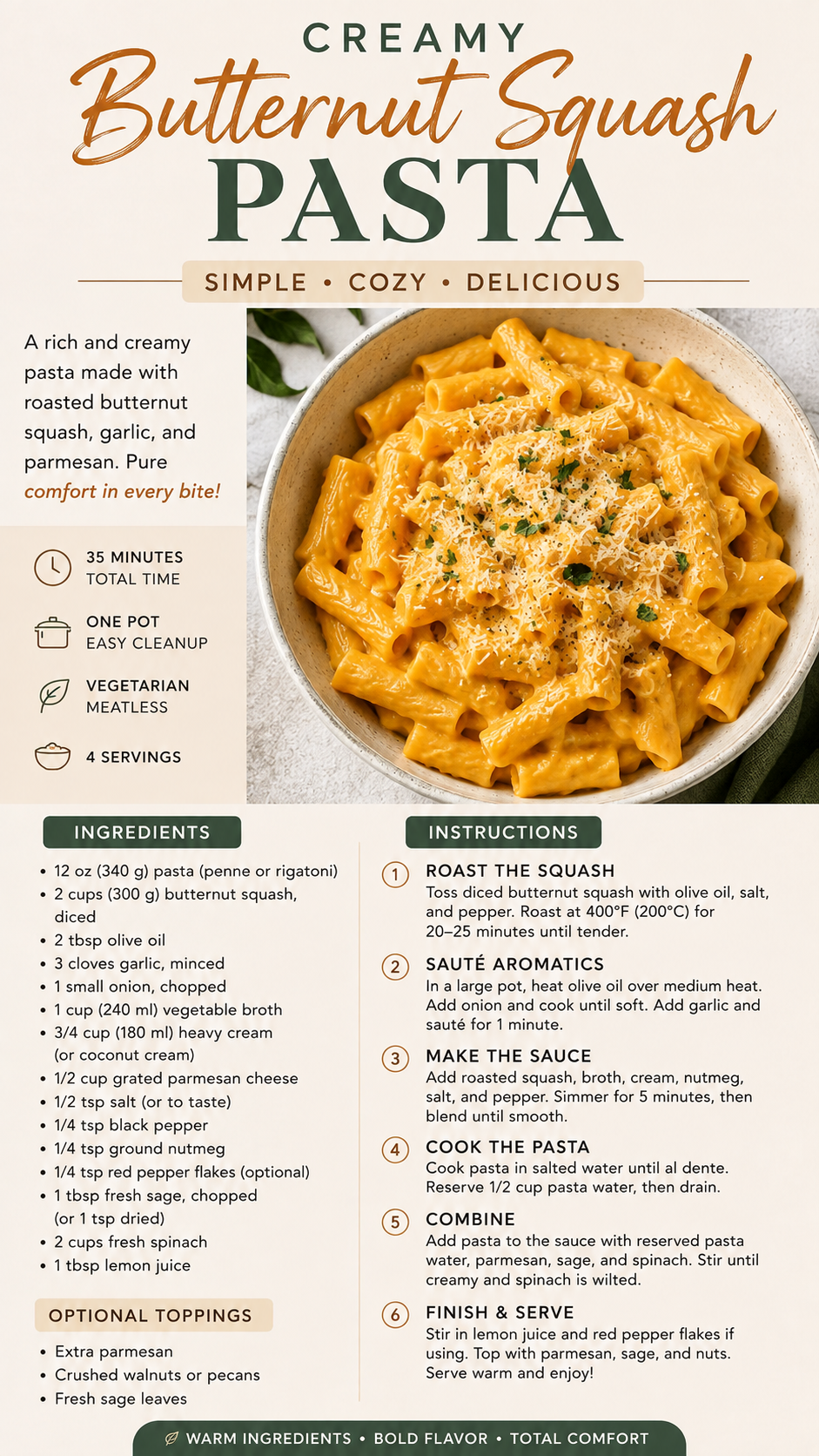
Creamy Mac and Cheese Recipe Easy, Cheesy Comfort Food for Dinner
Few comfort foods are as universally loved as creamy mac and cheese. Rich, cheesy, satisfying, and easy to customize, this classic pasta dish works just as well for a quick weeknight dinner as it does for a cozy family meal or holiday table. Whether you prefer a silky stovetop version or a golden baked mac and cheese with a crisp topping, there are countless ways to make this familiar favorite your own.
Key Takeaways
- Choose pasta shapes that hold plenty of creamy cheese sauce.
- Use a flavorful cheese blend for more depth and richness.
- Cook the pasta just until tender to avoid a mushy finished dish.
- Stovetop mac and cheese delivers a creamy texture, while baking adds a golden crust.
- Simple additions can transform classic mac and cheese into a personalized meal.
What Makes Mac and Cheese So Comforting?
Mac and cheese combines a few simple ingredients into something that feels far more indulgent than the effort required. Tender pasta provides a hearty base, while a creamy cheese sauce coats every bite. The contrast between soft pasta, rich sauce, and optional crunchy toppings makes the dish especially satisfying.
Its versatility is another reason this classic remains popular. A traditional recipe can be kept wonderfully simple, or you can build layers of flavor with different cheeses, seasonings, vegetables, proteins, or crunchy toppings. The basic idea stays the same while the finished dish can suit almost any occasion.
Important: The best mac and cheese is all about balance. The sauce should be creamy and flavorful without becoming overly heavy, while the pasta should remain tender enough to bite without losing its texture.
Choosing the Best Pasta for Mac and Cheese
Elbow macaroni is the classic choice, but it is certainly not the only option. Short pasta shapes with curves, ridges, or hollow centers are excellent because they give the cheese sauce plenty of places to cling. This helps create that creamy texture people expect from a great bowl of mac and cheese.
- Elbow macaroni: A timeless option with a familiar shape and texture.
- Shells: Excellent for catching creamy sauce inside the pasta.
- Cavatappi: Twisted ridges make every bite feel substantial.
- Penne: A convenient alternative when you want a slightly firmer pasta shape.
Whatever shape you choose, avoid cooking the pasta until it is extremely soft. Pasta continues to absorb moisture when combined with sauce, and baked versions receive additional heat in the oven. Starting with pasta that is properly tender helps prevent a soft, mushy final result.
Building a Creamy Cheese Sauce
A smooth cheese sauce is the heart of a satisfying mac and cheese recipe. Many versions begin with a simple creamy base before cheese is incorporated gradually. The goal is to create a sauce that is thick enough to coat the pasta but still loose enough to remain creamy after cooking.
Cheese selection makes a noticeable difference. A sharp cheese can bring plenty of character, while a naturally mild and creamy cheese can help create a smoother overall texture. Combining cheeses often produces a more interesting flavor than relying on just one variety.
How to Get a Smooth Sauce
- Prepare the creamy base over moderate heat.
- Add cheese gradually rather than adding everything at once.
- Stir continuously as the cheese melts.
- Avoid excessive heat once the cheese has been added.
- Adjust the consistency before combining the sauce with the pasta.
Pro Tip: If your cheese sauce seems slightly thinner than expected before the pasta is added, that can be a good thing. The pasta will absorb some of the sauce, especially if the mac and cheese will be baked afterward.
Stovetop vs. Baked Mac and Cheese
One of the easiest ways to personalize mac and cheese is deciding how you want to finish it. Stovetop mac and cheese is ideal when you want maximum creaminess with minimal preparation. Once the pasta and sauce are combined, it can be served almost immediately.
Baked mac and cheese takes a different approach. The oven allows the top to develop a delicious golden finish while the center remains rich and creamy. A simple breadcrumb topping can add another layer of texture, turning an everyday pasta dish into something that feels more special.
When to Choose Stovetop
- You want a fast and easy dinner.
- You prefer an especially creamy texture.
- You do not need a crispy topping.
- You are preparing a smaller batch.
When to Choose Baked
- You want a golden, textured top.
- You are serving mac and cheese as part of a larger meal.
- You enjoy combining creamy pasta with a crunchy topping.
- You want a comforting casserole-style presentation.
Why This Matters
Texture is just as important as flavor. A creamy sauce provides richness, while a crisp topping adds contrast. Combining different textures can make a simple mac and cheese feel more satisfying without requiring complicated ingredients.
Easy Ways to Add More Flavor
Classic mac and cheese is delicious on its own, but it also makes an excellent base for creative variations. Small additions can change the personality of the dish without overwhelming its comforting character.
Try Different Cheese Combinations
Experimenting with cheese is one of the simplest ways to create a new version. Pair a bold, flavorful cheese with a milder melting cheese for a balanced result. The exact combination can be adjusted according to your taste, making it easy to create a signature mac and cheese recipe.
Add Herbs and Seasonings
Seasonings can bring out the flavor of the cheese and prevent the dish from tasting one-dimensional. Black pepper, garlic, paprika, mustard-style seasonings, and fresh or dried herbs can all work well. Start modestly and taste as you go so the seasoning supports rather than masks the creamy cheese flavor.
Include Favorite Mix-Ins
Mac and cheese can easily become a complete meal with thoughtful additions. Vegetables can add color and freshness, while cooked proteins can make the dish more filling. Even a handful of crunchy toppings can provide an appealing contrast to the soft pasta and creamy sauce.
- Roasted or sautéed vegetables for extra texture.
- Cooked chicken or another favorite protein for a heartier meal.
- Breadcrumbs for a crisp baked topping.
- Fresh herbs for a bright finishing touch.
- A little spice for those who enjoy more heat.
Common Mac and Cheese Mistakes to Avoid
Even a simple recipe can become disappointing when the texture or balance is off. Fortunately, most problems are easy to prevent.
Overcooking the Pasta
Soft pasta can quickly become mushy once it is coated in sauce and, especially, when it is baked. Cook the pasta until it is tender but still has enough structure to hold up to the creamy sauce.
Using Too Much Heat
Cheese sauces generally benefit from gentle, controlled heat. Excessive heat can affect the texture of the sauce and make it less smooth. Keeping the cooking temperature moderate gives the cheese a better chance to melt evenly.
Forgetting to Season
Cheese brings plenty of flavor, but the finished dish may still need seasoning. Taste the sauce before serving and make small adjustments. A properly seasoned sauce makes the entire dish taste richer and more balanced.
Serving Ideas for a Cozy Mac and Cheese Meal
Mac and cheese is flexible enough to play several roles at the table. Serve it as the main dish with a fresh salad or vegetables for a simple dinner. It can also work as a comforting side alongside roasted vegetables or other family-style favorites.
For gatherings, a baked version is particularly appealing because it can be served directly from a casserole-style dish. A golden surface and creamy interior create a welcoming presentation that fits casual dinners, celebrations, and holiday meals alike.
How to Make Mac and Cheese Your Own
The beauty of homemade mac and cheese is that there is no single perfect version. Some people love an ultra-creamy stovetop recipe, while others prefer a baked dish with a crunchy top. Some want bold cheese flavor, while others enjoy a milder and smoother sauce.
Start with the fundamentals: well-cooked pasta, a creamy sauce, flavorful cheese, and balanced seasoning. From there, experiment with textures and additions that suit your preferences. Keeping the core recipe simple gives you plenty of room to explore without making dinner complicated.
For an especially satisfying result, think about contrast. Creamy sauce pairs beautifully with crisp toppings, rich cheese benefits from fresh herbs or vegetables, and tender pasta becomes more interesting when paired with crunchy ingredients. These small details can make a familiar recipe feel completely new.
At a Glance
- Use short pasta shapes that hold onto plenty of sauce.
- Keep the cheese sauce smooth and creamy with gentle heat.
- Do not overcook the pasta before combining it with the sauce.
- Choose stovetop for creaminess or baked for a golden, crunchy finish.
- Customize with cheeses, seasonings, vegetables, proteins, or toppings.
Conclusion
Mac and cheese is a classic for good reason. It is comforting, adaptable, easy to personalize, and satisfying enough for everything from a quick family dinner to a special gathering. With the right pasta, a smooth cheese sauce, balanced seasoning, and a texture you love, even a simple version can become a favorite recipe.
Whether you keep it traditional or add your own creative twist, focus on creamy texture, flavorful cheese, and plenty of contrast. Once you find the combination that works for you, this timeless comfort food can become a dependable go-to whenever you are craving something warm, cheesy, and delicious.
Tags
Mac and Cheese Macaroni and Cheese Cheesy Pasta Comfort Food Easy Dinner Baked Mac and Cheese Creamy Pasta Family Dinner