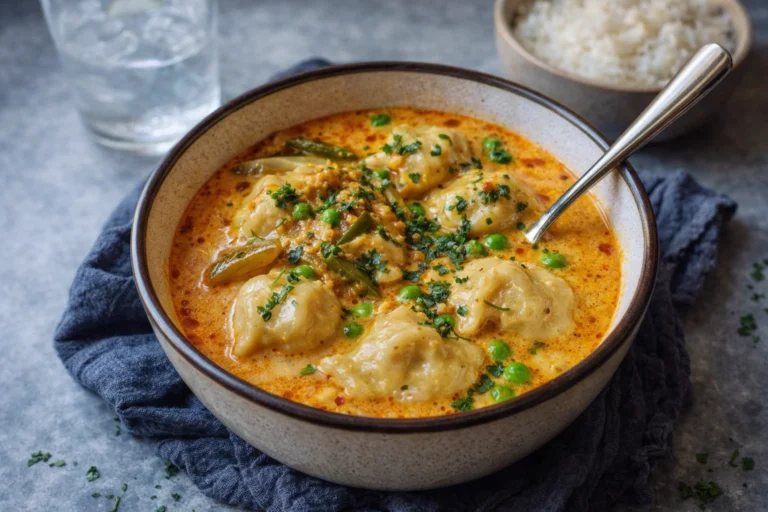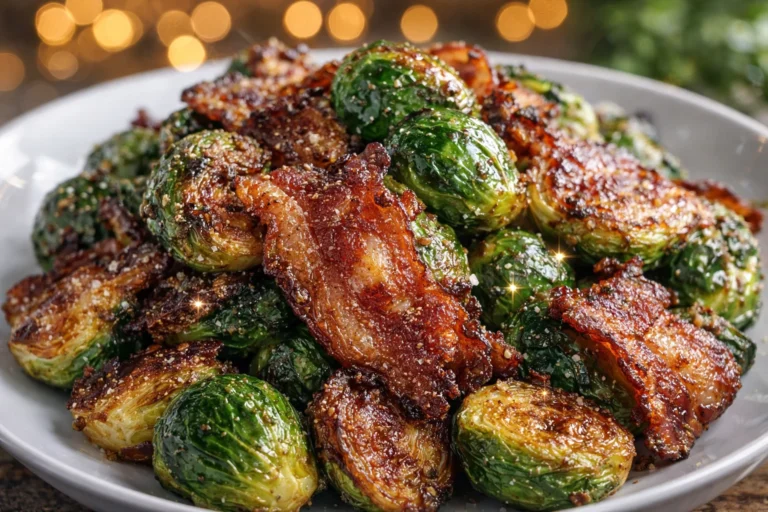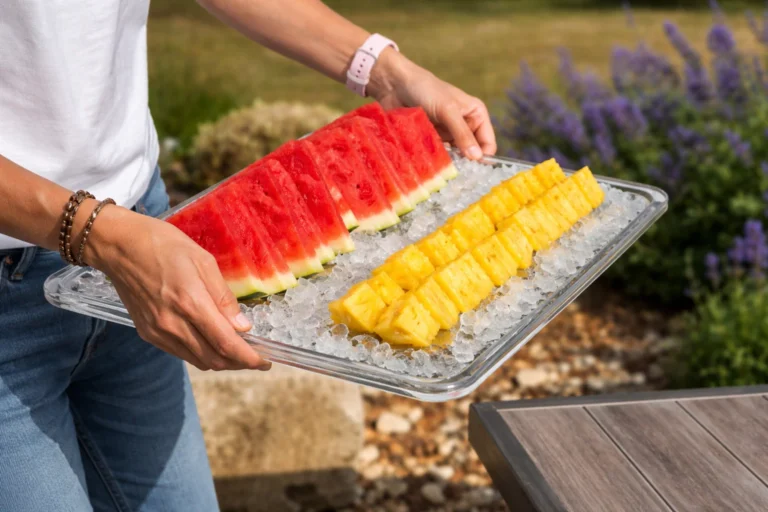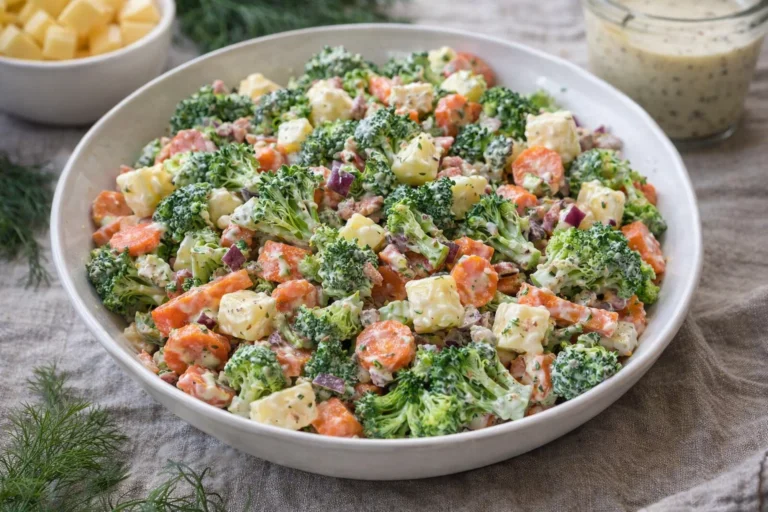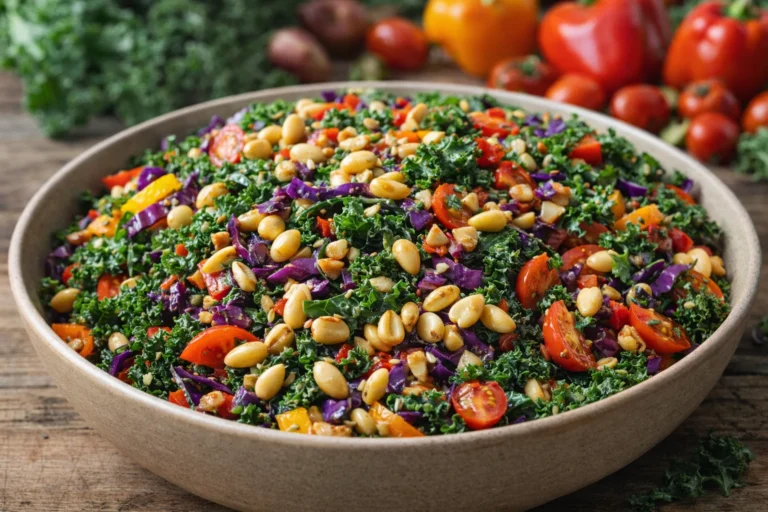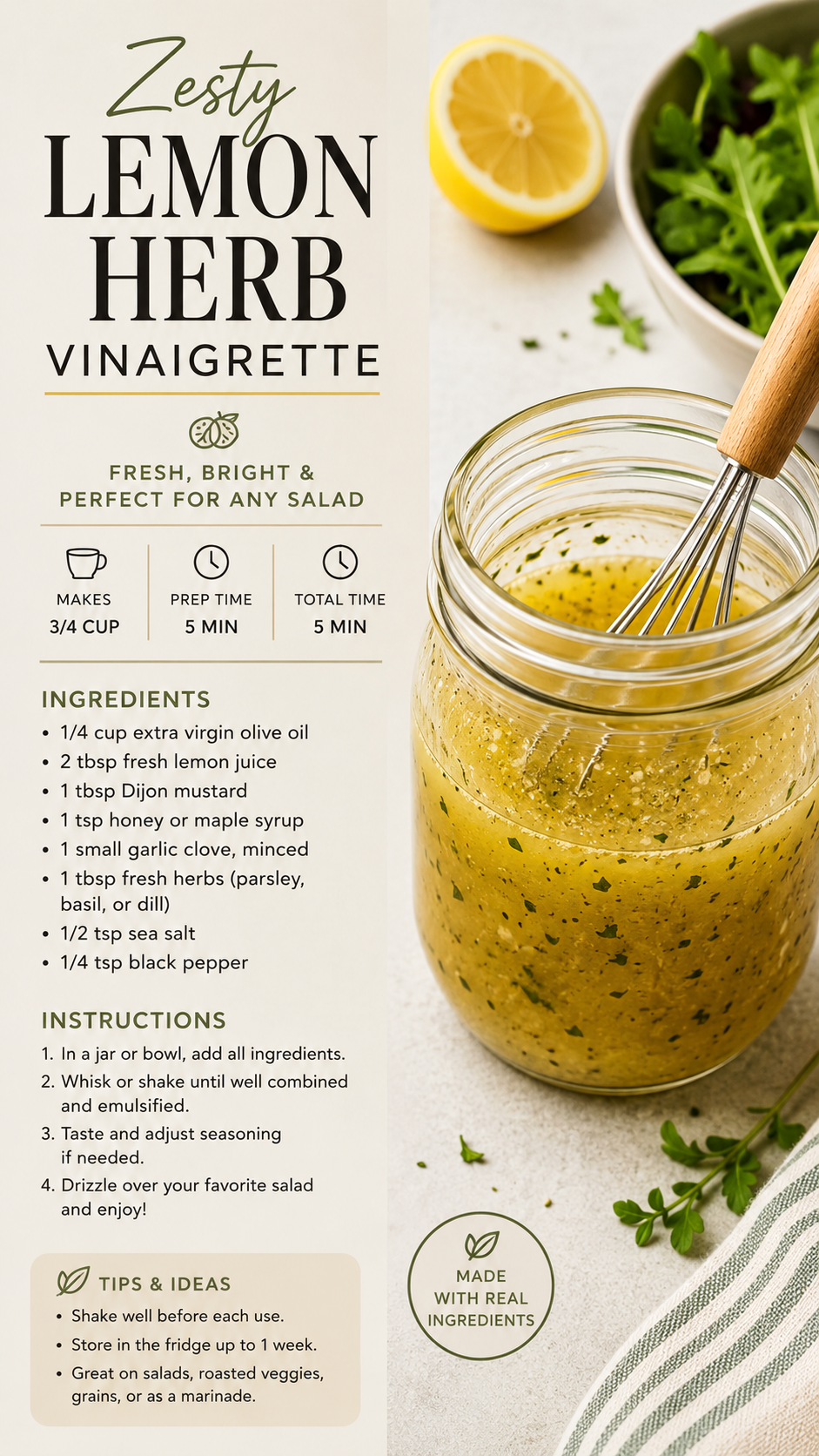
Easy Food Recipes for Every Day Quick, Delicious Family-Friendly Ideas
Good food does not have to be complicated. The best recipes are often the ones that bring together familiar ingredients, simple techniques, and plenty of flavor. Whether you are looking for quick meals for busy weekdays, comforting homemade dishes, easy breakfast ideas, satisfying snacks, or something special to share, having a collection of reliable food recipes can make everyday cooking much easier and more enjoyable.
Key Takeaways
- Choose recipes that match your available time and ingredients.
- Keep versatile pantry staples available for easy meals.
- Use fresh herbs, spices, sauces, and seasonings to build flavor.
- Simple preparation can still produce delicious, satisfying food.
- Save favorite recipes so meal planning becomes easier.
Easy Food Recipes for Everyday Cooking
Everyday cooking becomes less stressful when you have a few dependable recipes to turn to. Instead of wondering what to make at the last minute, you can choose a simple dish based on what you already have in the kitchen. A flexible collection of food recipes can include everything from hearty main dishes and colorful vegetable sides to quick snacks and simple homemade treats.
The goal is not to prepare an elaborate meal every day. It is to find recipes that fit naturally into your routine. Some days call for a fast dinner with minimal cleanup, while others give you more time to experiment. Keeping both types of recipes on hand gives you plenty of options without making cooking feel like a chore.
When choosing a new recipe, look for a balance of flavor, simplicity, and ingredients you actually enjoy. A recipe is much more likely to become a favorite when it works with your lifestyle rather than against it.
Why Simple Recipes Work So Well
Simple recipes have a special advantage: they are approachable. You do not need an advanced cooking background to prepare something delicious. Basic techniques such as roasting, sautéing, baking, simmering, and mixing can transform everyday ingredients into satisfying meals.
Simple cooking also gives ingredients room to shine. A few well-chosen seasonings can make vegetables more appealing, while a flavorful sauce can turn an ordinary protein or grain into the centerpiece of a meal. You can gradually build confidence by mastering uncomplicated recipes before moving on to more involved dishes.
Important: A great recipe does not need a long ingredient list. Concentrating on a handful of complementary ingredients and seasoning them thoughtfully can create a meal that feels fresh, flavorful, and satisfying.
Build a Versatile Recipe Collection
A useful recipe collection should cover different moments throughout the day. Think beyond one category and create a mix of meals that can work for breakfast, lunch, dinner, snacks, gatherings, and relaxed weekends.
- Breakfast recipes: Keep easy options available for mornings when time is limited.
- Lunch ideas: Look for filling meals that are easy to assemble and customize.
- Dinner recipes: Include comforting classics as well as lighter meals for variety.
- Snack recipes: Choose simple homemade options for between-meal cravings.
- Side dishes: Use vegetables, grains, salads, or roasted ingredients to round out meals.
- Dessert recipes: Save a few easy sweet treats for weekends and special occasions.
Keep Everyday Ingredients Ready
You do not need a huge pantry to make a wide range of food recipes. A practical selection of versatile ingredients can provide a strong foundation for countless meals. Consider keeping staples such as grains, pasta, canned foods, cooking oils, common seasonings, and ingredients you regularly enjoy.
Fresh ingredients can then be added according to the recipes you want to prepare. This approach makes grocery shopping more focused and helps reduce the feeling that you need to buy something completely different for every meal.
It can also be helpful to organize recipes according to the ingredients you already have. If you have vegetables that need to be used, search your saved recipes for dishes that feature them. This small habit can make meal planning faster while helping you get more value from your groceries.
How to Make Food More Flavorful
Flavor is what turns a basic meal into one you want to make again. The good news is that you can build more flavor without making recipes complicated. Season ingredients throughout the cooking process rather than relying on one final addition of seasoning.
Use Seasonings With Purpose
Herbs and spices can completely change the personality of a dish. Warm spices can create a comforting character, while fresh herbs can add brightness. Garlic, onions, citrus, sauces, and other flavorful ingredients can also bring depth to simple meals.
Start with flavors you already know you enjoy, then experiment gradually. Trying one new seasoning or ingredient at a time makes it easier to understand how different flavors work together.
Pay Attention to Texture
Texture matters just as much as flavor. A meal can become more interesting when soft, crisp, creamy, chewy, or crunchy elements are combined thoughtfully. Adding a crisp topping to a soft dish, serving fresh vegetables alongside a warm entrée, or including a flavorful garnish can create contrast without requiring complicated preparation.
Expert Insight
Think of a recipe as a starting point rather than a rigid rulebook. Once you understand the basic ingredients and cooking method, you can often adjust seasonings, vegetables, sauces, and portions to suit your preferences and what you have available.
Smart Tips for Easier Meal Preparation
Preparing food becomes much easier when you remove unnecessary decisions. Before cooking, read the entire recipe and gather the ingredients you need. Having everything nearby helps the process feel organized and reduces the chance of overlooking an important step.
- Read the recipe from beginning to end before starting.
- Gather ingredients and basic equipment first.
- Prepare ingredients that can be chopped, measured, or portioned ahead of time.
- Clean as you go whenever possible to make the final cleanup easier.
- Store leftovers properly so they can become another convenient meal.
Make Recipes Your Own
One of the best parts of cooking at home is flexibility. A recipe can often be adjusted based on personal preferences, dietary needs, seasonal ingredients, or what happens to be available in the refrigerator. You might change a vegetable, adjust the seasoning, switch a sauce, or add a favorite topping.
When making substitutions, consider the role of the ingredient rather than simply replacing it at random. An ingredient may provide moisture, richness, texture, acidity, sweetness, or structure. Understanding that purpose helps you choose a replacement that keeps the recipe balanced.
Pro Tip: Keep notes when you make a recipe for the first time. Write down what you loved, what you would change, and any adjustments that made the dish better. Those notes can turn a good recipe into a dependable favorite.
Plan Meals Without Making It Complicated
Meal planning does not need to mean creating a strict schedule for every meal of the week. A simpler approach is to choose a few recipes and keep enough flexible ingredients available to fill in the gaps. This gives you structure while still allowing room for spontaneous choices.
Start by thinking about your busiest days. Choose especially quick recipes for those evenings and reserve more involved dishes for days when you have additional time. You can also prepare components ahead, such as cooked grains, chopped vegetables, or sauces, when it makes sense for your routine.
Saving recipes digitally or creating a dedicated collection can also make meal planning easier. Organize your favorites by categories such as quick dinners, healthy recipes, breakfast ideas, easy snacks, family meals, and weekend cooking.
Enjoy Cooking More Often
Cooking should feel rewarding, not overwhelming. Give yourself permission to keep things simple. Not every meal needs to be picture-perfect or completely new. Sometimes the most satisfying dishes are familiar favorites that you can prepare confidently and enjoy without stress.
At the same time, experimenting with new food recipes can keep your routine exciting. Try a different vegetable, explore a new flavor combination, or prepare a familiar dish using a slightly different technique. Small changes can make everyday cooking feel fresh.
Most importantly, focus on recipes that you genuinely want to eat. A collection of beautiful recipes is useful, but a collection of recipes that fit your tastes, schedule, and kitchen habits is even better.
Quick Points
- Keep your favorite easy food recipes organized.
- Stock versatile ingredients for flexible cooking.
- Build flavor with thoughtful seasoning and texture.
- Adapt recipes to suit your preferences and routine.
- Save successful recipes and make notes for next time.
Conclusion
A great collection of food recipes can make everyday cooking simpler, more creative, and more enjoyable. With a few dependable meals, versatile ingredients, and an open mind for experimenting, you can create plenty of delicious dishes without relying on complicated techniques.
Whether you are planning a quick weekday dinner, preparing something comforting for the family, searching for easy snack ideas, or simply looking for inspiration, keep the recipes that make cooking feel effortless close at hand. Save the ideas you love, try them at your own pace, and build a personal collection that works for you.
Tags
Food Recipes Easy Recipes Quick Meals Homemade Recipes Dinner Recipes Meal Ideas Cooking Ideas Recipe Inspiration