Easy Recipes Spice Organization Ideas for a Well-Organized Kitchen
A well-organized spice drawer can completely change the way you cook. Instead of digging through crowded cabinets or searching for a seasoning when dinner is already underway, every spice has a clear place and is easy to reach. A setup with matching jars, simple labels, and neatly arranged seasonings creates a clean kitchen while making everyday recipes faster and more enjoyable.
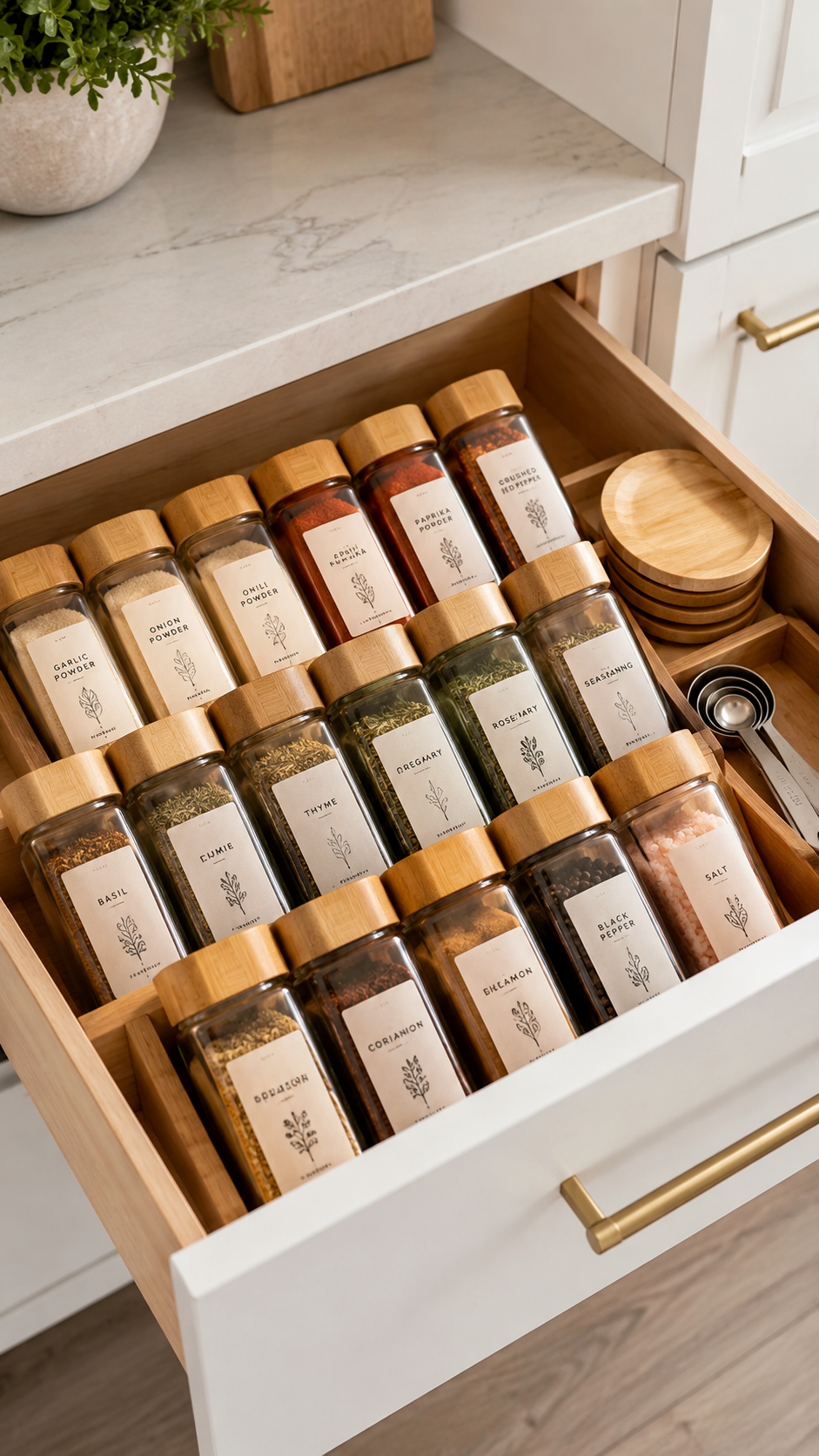
The drawer shown here combines practical storage with a polished look. Clear containers make the spices easy to identify, bamboo-style lids add warmth, and consistent labels keep everything looking organized. From curry and chili powder to oregano, rosemary, peppercorns, and red pepper flakes, the collection is arranged so frequently used ingredients can be found at a glance.
Key Takeaways
- A dedicated spice drawer makes everyday cooking more efficient.
- Uniform jars and clear labels create a tidy, cohesive appearance.
- Storing spices in an easy-to-access location helps simplify meal preparation.
- Arranging seasonings by use or category makes recipes easier to follow.
- A small amount of organization can make a kitchen feel noticeably calmer.
Why an Organized Spice Drawer Makes Cooking Easier
Spices are small, but they can create a surprisingly large storage problem. Individual bottles often come in different shapes and sizes, labels may face different directions, and frequently used seasonings can disappear behind less-used ingredients. A drawer designed specifically for spices solves many of these frustrations by keeping everything visible and within reach.
Unlike a deep cabinet, a drawer allows you to see several rows at once. You can quickly scan the labels and choose what you need without moving half of your collection out of the way. This is especially useful when preparing recipes that call for several seasonings at the same time.
Important: The best kitchen organization is not simply about making storage look attractive. It should reduce the number of steps required to find, use, and put away the ingredients you reach for most often.
Keep Everyday Seasonings Within Easy Reach
The most useful spices are usually the ones you reach for repeatedly. Depending on your cooking habits, these might include black or white pepper, chili powder, curry powder, oregano, rosemary, garlic seasoning, or red pepper flakes. Keeping these ingredients together means you can move through a recipe with less interruption.
There is no single perfect arrangement. If you cook mostly Mediterranean-inspired meals, herbs such as oregano and rosemary may deserve prime positions. If you enjoy spicy food, chili powder and red pepper flakes might belong toward the front. The goal is to organize the drawer around your cooking habits rather than following a rigid system.
How to Create a Beautiful Spice Organization System
Creating a spice drawer like this does not require complicated storage techniques. The biggest improvement often comes from making the containers consistent and choosing an arrangement that works with the available drawer space.
1. Start by Sorting Your Spices
Before choosing containers or labels, take everything out and group your seasonings together. This gives you an opportunity to see what you actually have. You may discover duplicate jars, spices you rarely use, or ingredients that belong together but are currently stored in different places.
Create a simple working group for frequently used spices, dried herbs, baking spices, spicy seasonings, and specialty ingredients. You do not need to create a complicated classification system. A few practical categories are enough to make the drawer easier to navigate.
2. Choose Matching Containers
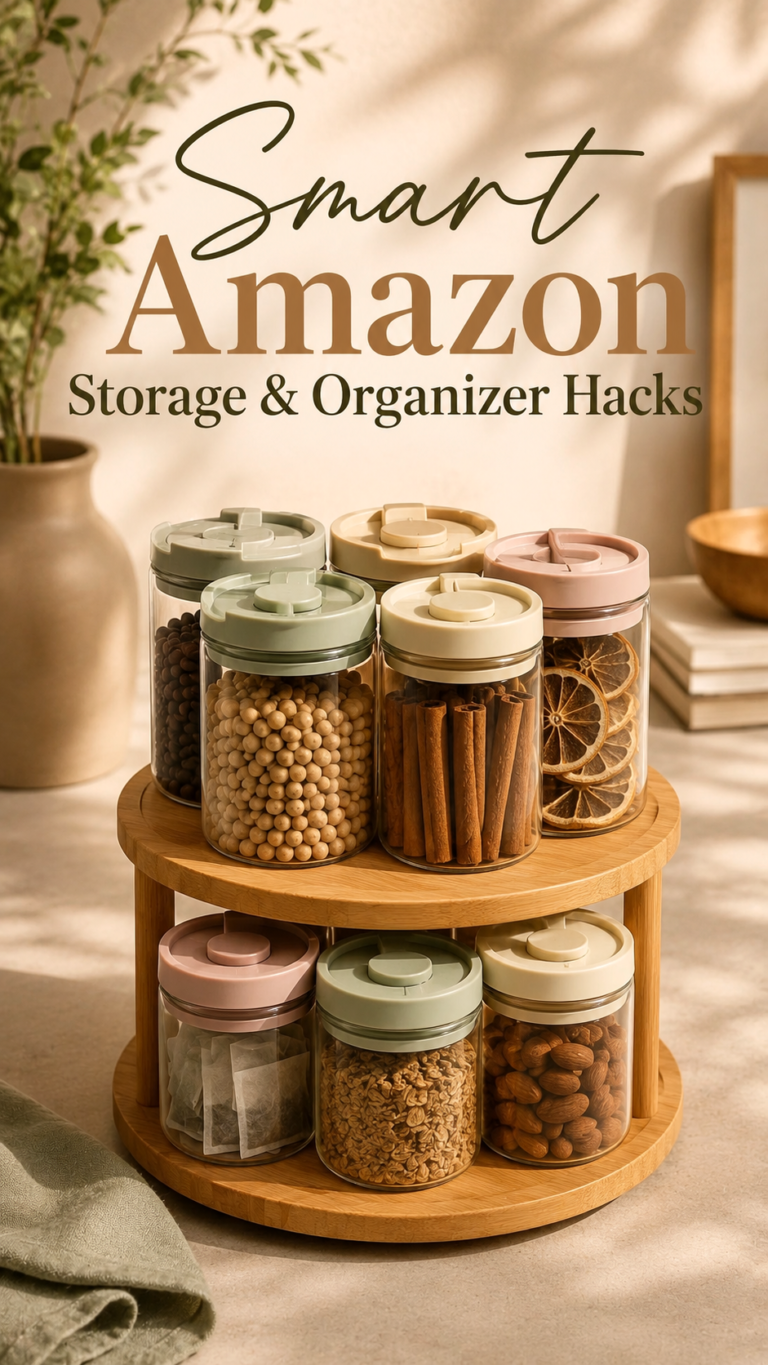
Uniform spice jars instantly make a drawer look more intentional. Containers with similar dimensions are also easier to arrange because they can sit neatly beside one another without wasting as much space.
The jars shown feature clear bodies and natural-looking wooden lids. This combination creates a warm contrast against the white drawer while keeping the overall appearance modern and minimal. Clear containers also make it easy to recognize the contents without opening every jar.
When selecting containers, consider both appearance and practicality. The ideal jar should be easy to open, simple to refill, and appropriately sized for the amount of seasoning you normally use.
3. Use Clear, Consistent Labels
Labels are one of the most useful details in an organized spice drawer. Even when you recognize a spice by appearance, a clear label makes the system faster to use and easier for everyone in the household to understand.
A simple label design works particularly well. The containers in the image use clean white labels with dark lettering, creating a cohesive visual system. You can use the same idea with printed labels, handwritten labels, or a small label maker.
For the cleanest result, keep the wording and placement consistent. If one jar says “OREGANO,” avoid using a completely different style such as “Dried Oregano Herb” on another container unless there is a practical reason to do so.
Arrange Spices for Faster Meal Preparation
Once your jars are ready, the next step is deciding how to position them. This is where a beautiful spice drawer becomes genuinely useful. The arrangement should allow you to identify ingredients quickly while leaving enough room to remove a jar without disturbing the rest.
Organize by Frequency of Use
One of the easiest systems is to place your most-used seasonings toward the front. Everyday staples should be immediately accessible, while ingredients you use occasionally can be placed farther back.
This approach works especially well for busy weeknight cooking. When you repeatedly reach for the same handful of seasonings, you will naturally learn where each jar belongs, making the cooking process feel almost automatic.
Organize by Recipe Style
Another option is to group spices according to the types of food you prepare. Herbs commonly used with roasted vegetables and savory dishes can share an area, while chili-based seasonings can form another group. Baking spices can be kept separately if you frequently make desserts.
This method can be particularly helpful if your recipes tend to follow certain flavor profiles. Instead of thinking about each spice individually, you begin to see groups of ingredients that naturally work together.
Expert Insight
An organization system is most successful when it matches your routine. Arrange your spices according to the meals you actually cook, not simply according to alphabetical order or appearance.
Make Your Spice Storage Work for Your Recipes
A good spice collection should support the way you cook. When ingredients are easy to find, you are more likely to experiment with familiar seasonings and remember to use the spices already in your kitchen.
For example, a simple roasted vegetable recipe can become much more interesting with a combination of herbs, pepper, and chili flakes. A basic rice dish can take on a warmer flavor with curry powder. Pasta sauces, soups, marinades, grain bowls, and roasted meats can all benefit from a thoughtfully arranged spice collection.
The goal is not to own dozens of unusual seasonings. A smaller collection of versatile spices can be extremely useful when each ingredient is easy to locate and incorporate into meals.
Create a Simple Refill Routine
Once the drawer is organized, maintaining it should be easy. When a jar becomes empty, refill it rather than allowing loose packets and mismatched containers to accumulate again. If you notice that a particular spice is used constantly, consider keeping a backup container nearby so you never run out unexpectedly.
It is also helpful to give the drawer a quick reset whenever you are already cleaning the kitchen. Straighten the jars, wipe away any loose seasoning, and return misplaced containers to their designated spots.
Pro Tip: Leave a little breathing room between groups of jars whenever possible. A small amount of visual space makes labels easier to read and prevents the drawer from becoming difficult to use.
Small Details That Make a Big Difference
The appeal of this style of kitchen organization comes from combining function with visual simplicity. Matching containers create consistency, while natural materials such as wood add warmth to an otherwise minimalist space. Clean labels provide the final detail that makes the collection feel intentional rather than improvised.
You can achieve the same effect without completely redesigning your kitchen. Start with one drawer, one cabinet, or even a small spice shelf. Once you have established a system that works, expand it gradually to other ingredients and kitchen supplies.
It is also worth considering how often you cook. Someone who prepares meals every day may benefit from a highly accessible drawer system, while an occasional cook might prefer a smaller collection with only essential seasonings. Good organization should make life easier, not create another chore.
Simple Spice Drawer Ideas to Try
- Use matching clear jars for a consistent appearance.
- Choose labels that are easy to read from above.
- Place everyday seasonings where they are easiest to reach.
- Group related herbs and spices together.
- Keep specialty or occasional ingredients toward the back.
- Leave enough space to remove jars without shifting the entire drawer.
- Reset the arrangement after refilling containers.
These small changes can turn an ordinary kitchen drawer into a practical cooking station. More importantly, they help create a setup that encourages you to use the ingredients you already have instead of forgetting about them in a crowded cabinet.
At a Glance
- Clear jars make spices easy to identify.
- Consistent labels keep the drawer visually organized.
- Frequently used seasonings should be easiest to reach.
- Grouping ingredients can simplify recipe preparation.
- A simple maintenance routine keeps the system working long term.
Conclusion: Make Every Recipe Easier to Reach
An organized spice drawer is one of those small kitchen improvements that can have an outsized impact on everyday cooking. With matching containers, readable labels, and a thoughtful arrangement, ingredients become easier to find and meals become easier to prepare.
The setup does not need to be complicated or expensive. Start with the spices you use most, choose a storage style that fits your space, and arrange everything around your cooking habits. Whether you are preparing a quick weeknight dinner or experimenting with a new recipe, having your seasonings ready to go makes the entire process feel smoother.
A tidy spice drawer is more than an attractive storage idea. It is a practical way to bring order to your kitchen, make ingredients more visible, and create a cooking space that feels calm, efficient, and ready for the next recipe.
Tags
Spice Organization Kitchen Organization Recipe Ideas Cooking Tips Spice Storage Meal Prep Home Cooking Kitchen Ideas