Homemade Artisan Bread Recipe Ideas for Crusty Bakery-Style Loaves at Home
Few kitchen experiences are as rewarding as pulling a freshly baked artisan loaf from the oven. The golden crust, crackling exterior, and soft, airy interior create a loaf that looks beautiful and tastes even better. Homemade artisan bread has become increasingly popular because it combines simple ingredients with traditional baking techniques that deliver impressive results. Whether you are baking for your family, preparing meals for the week, or simply enjoying a relaxing weekend project, artisan bread is a timeless recipe worth mastering.
Key Takeaways
- Learn what makes artisan bread different from regular sandwich bread.
- Discover simple techniques for creating an airy crumb and crispy crust.
- Understand why slow fermentation improves flavor and texture.
- Find practical tips for baking bakery-quality bread at home.
- Explore serving ideas and easy ways to store homemade loaves.
What Makes Artisan Bread Special?
Artisan bread focuses on quality rather than complexity. Instead of relying on long ingredient lists or commercial additives, most artisan recipes use only flour, water, salt, and yeast or sourdough starter. These basic ingredients transform into a flavorful loaf through proper mixing, fermentation, shaping, and baking.
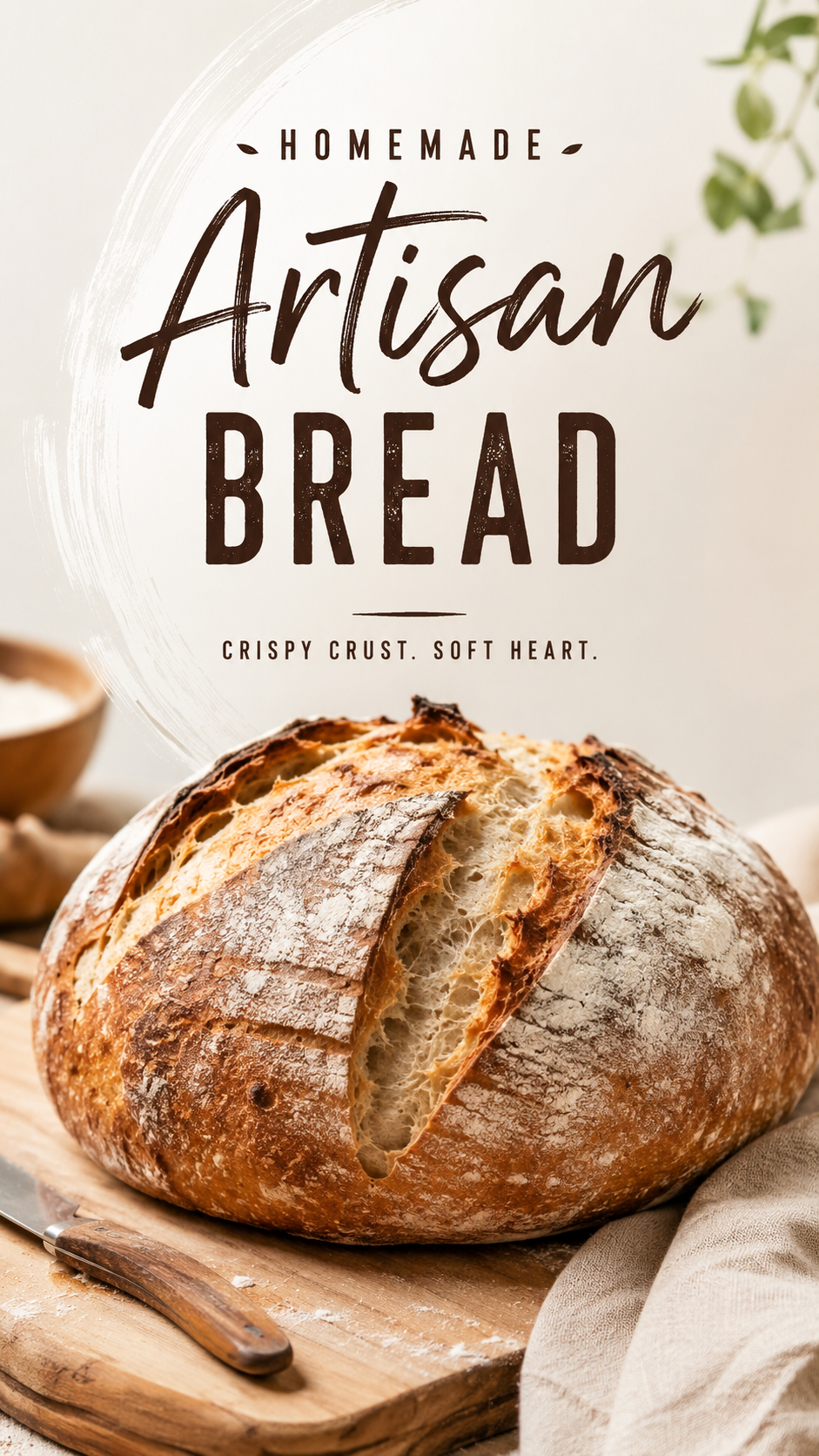
The hallmark of artisan bread is its crisp crust and open crumb. The interior often features irregular air pockets that create a light texture while remaining pleasantly chewy. Every slice has character, making it ideal for everything from breakfast toast to gourmet sandwiches.
Important: The biggest secret behind exceptional artisan bread is patience. Allowing the dough to ferment slowly develops deeper flavor, improves texture, and creates the beautiful airy structure that home bakers love.
The Essential Ingredients
One reason artisan bread remains so popular is its simplicity. Each ingredient plays a meaningful role in the finished loaf.
Flour
Bread flour is commonly used because its higher protein content helps develop strong gluten, creating a chewy texture and excellent structure. Many bakers also experiment with all-purpose flour, whole wheat flour, or specialty grains for additional flavor.
Water
Hydration significantly affects the dough. Higher hydration often produces larger air pockets and a lighter crumb, though it also requires more careful handling.
Salt
Salt enhances flavor while strengthening gluten development. It also helps regulate fermentation, allowing the dough to rise more evenly.
Yeast
Whether using commercial yeast or a natural sourdough starter, fermentation creates the gases responsible for the loaf’s rise while developing complex flavors.
The Art of Fermentation
Fermentation is where simple ingredients become extraordinary bread. During this stage, yeast consumes natural sugars and produces carbon dioxide, allowing the dough to expand.
Many experienced bakers prefer a slow rise because it creates richer flavor and better texture. Overnight fermentation in the refrigerator is especially popular since it develops complexity while making the dough easier to handle.
Expert Insight
- Gentle handling preserves valuable air bubbles inside the dough.
- A slower rise often produces a more flavorful loaf with better crust color.
- Avoid rushing fermentation if you want bakery-style results.
Creating a Beautiful Open Crumb
Many home bakers aim for the attractive open crumb seen in artisan bread. Achieving this texture depends on balancing hydration, gluten development, fermentation, and careful shaping.
Instead of aggressively kneading throughout the process, many artisan recipes use gentle stretch-and-fold techniques. This strengthens the dough while preserving delicate air pockets.
Proper shaping is equally important. A well-shaped loaf maintains tension on the surface, encouraging a strong oven spring during baking.
Pro Tip: Resist adding too much extra flour while shaping. Slightly sticky dough often produces lighter, more open bread once baked.
Achieving a Crispy Golden Crust
The crust is often the first thing people notice about artisan bread. A crisp exterior develops from high baking temperatures and the presence of steam during the early stages of baking.
Many home bakers use a Dutch oven because it traps steam naturally, helping the loaf expand before the crust fully sets. As baking continues, the moisture escapes, allowing the crust to become deeply golden and satisfyingly crisp.
- Preheat the oven thoroughly.
- Score the dough before baking to control expansion.
- Allow the loaf to cool completely before slicing.
- Use a sharp bread knife for clean cuts.
Serving Homemade Artisan Bread
Fresh artisan bread pairs beautifully with countless meals. Its sturdy structure and flavorful crumb make it incredibly versatile throughout the day.
- Serve warm with butter and flaky sea salt.
- Create gourmet sandwiches with fresh vegetables and cheese.
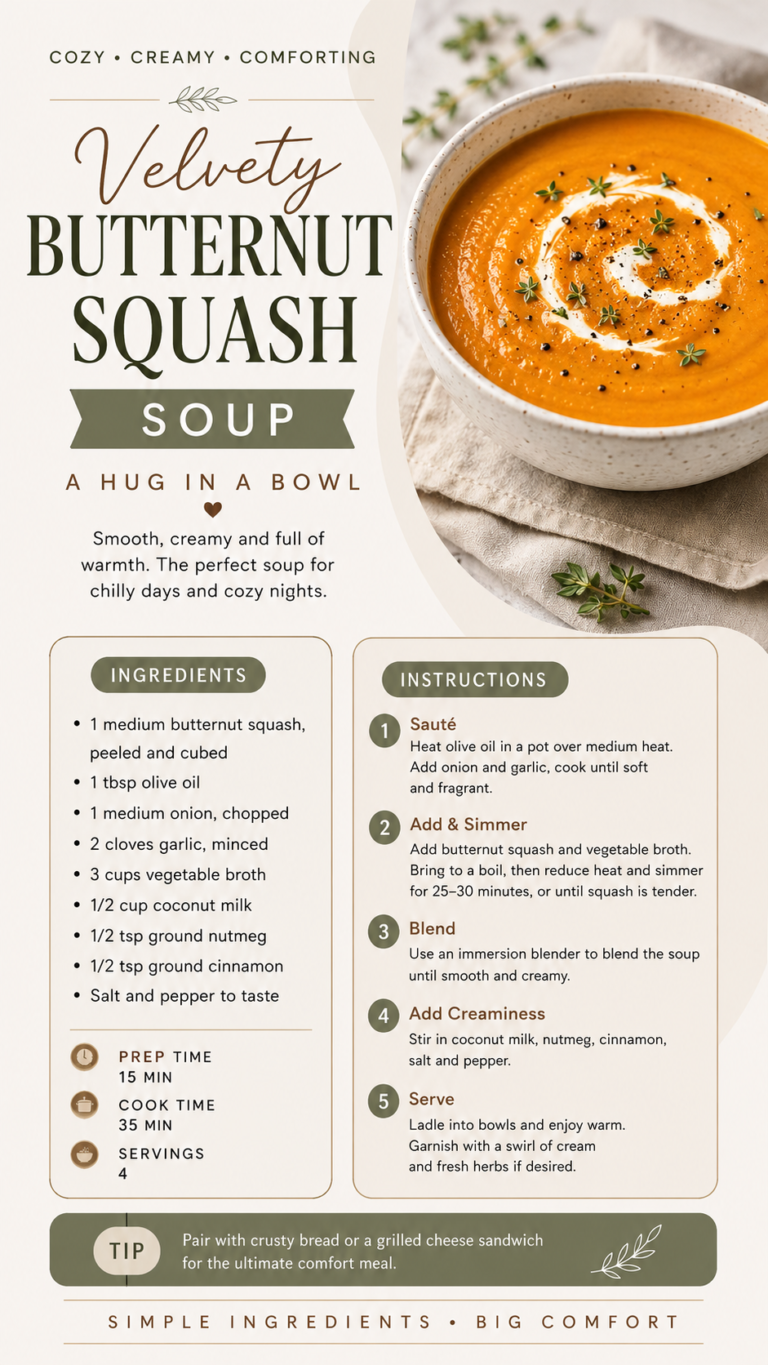
- Pair slices alongside soups and hearty stews.
- Toast leftovers for breakfast with jam or avocado.
- Turn older bread into homemade croutons or breadcrumbs.
Common Mistakes to Avoid
Even experienced bakers occasionally encounter challenges. Fortunately, most issues are easy to correct with practice.
Using Too Much Flour
Adding excessive flour during mixing or shaping can produce a dense loaf with fewer air pockets.
Cutting Too Soon
Fresh bread continues to set after leaving the oven. Slicing immediately can compress the crumb and release valuable moisture.
Skipping Proper Preheating
A thoroughly heated oven creates the strong oven spring needed for an impressive artisan loaf.
Important: Small improvements in fermentation time, shaping, and baking temperature often make a dramatic difference in the final loaf. Consistency comes through repetition and careful observation.
Storing Fresh Bread
Store artisan bread at room temperature in a bread box or paper bag to maintain its crisp crust. Avoid refrigerating the loaf because refrigeration can accelerate staling.
If you have extra bread, slice it before freezing. Individual slices thaw quickly, making it easy to enjoy fresh-tasting bread whenever you need it.
At a Glance
- Simple ingredients create outstanding flavor.
- Slow fermentation improves texture and aroma.
- Steam helps produce a crisp artisan crust.
- Proper cooling preserves the bread’s interior.
- Fresh loaves freeze well for future meals.
Conclusion
Homemade artisan bread proves that remarkable baking does not require complicated ingredients or professional equipment. With quality flour, careful fermentation, thoughtful shaping, and proper baking techniques, anyone can create beautiful bakery-style loaves at home. Every loaf becomes an opportunity to improve your skills while filling your kitchen with incredible aromas and creating memorable meals. Whether enjoyed fresh from the oven, paired with comforting soups, or transformed into delicious sandwiches, artisan bread remains one of the most satisfying recipes every home baker should learn.
Tags
Artisan Bread Homemade Bread Bread Baking Easy Bread Recipe Rustic Loaf Crusty Bread Home Baking Recipe Ideas