Ultimate Homemade Cheese Pizza Recipe
There’s something undeniably magical about a slice of cheese pizza, especially when it’s made at home. The Cheese Pizza Recipe showcases the simple yet brilliant synergy of dough, sauce, and gooey melted cheese that transforms into a star on any dinner table. Whether you’re a novice cook or a seasoned expert, mastering this classic dish will not only impress your family but will also provide an enjoyable and relaxing culinary experience.
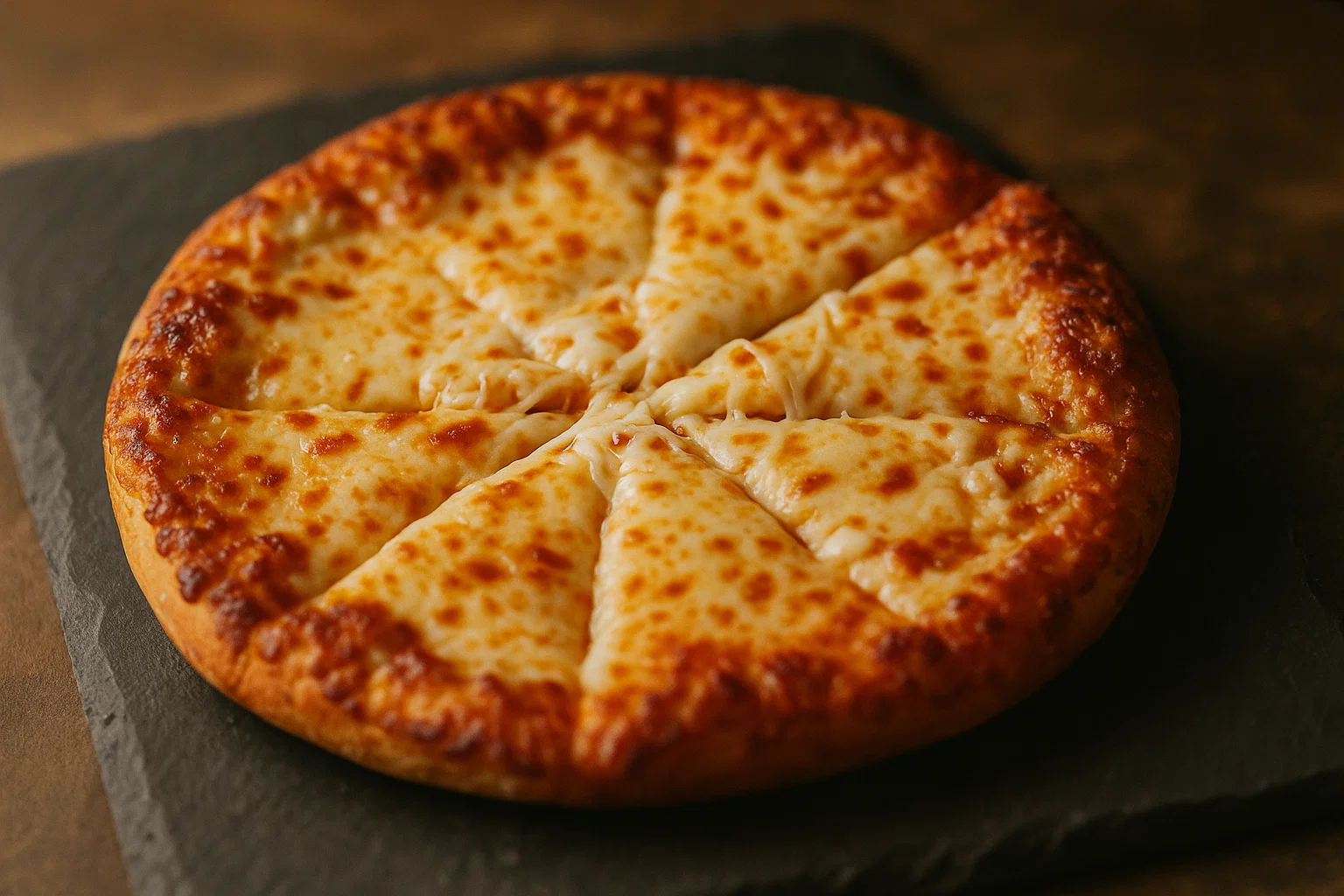
Making pizza from scratch allows you to unleash your creativity and customize flavors to fit your taste preferences. Picture this: a perfectly chewy crust, topped with a rich tomato sauce bursting with flavor and a generous layer of bubbly cheese that pulls away in delightful strings. Each bite is a comforting reminder of why pizza has become a staple in households around the world.
In this guide, you’ll learn not just how to make the perfect cheese pizza but also the nuances and techniques that make the process rewarding and fun. Let’s dive into the world of pizza-making, a journey where you’ll discover the richness of flavors and the satisfaction of creating something delicious from scratch.
Benefits and Advantages of Cheese Pizza Recipe
The advantages of making your cheese pizza at home extend far beyond just the taste. Here’s why you should embark on this flavorful adventure:
1. Quality Control: When crafting your pizza at home, you have complete control over the ingredients. This means you can use fresh, high-quality products, ensuring a healthier and tastier result. You can avoid preservatives and fillers commonly found in store-bought options, making your meal fresher.
2. Customization: Home pizza-making lets you explore flavors and ingredients that suit your dietary needs or personal preferences. Whether you’re vegan, gluten-free, or simply have a love for specific toppings, the possibilities are endless. You can tailor your pizza to be as classic or as adventurous as you wish.
3. Family Fun: Making pizza is a great way to engage the entire family in cooking. Children can help with stretching the dough, adding sauce, and sprinkling cheese, making it a fun and interactive way to spend quality time together. Plus, the reward of a delicious meal makes all the effort worthwhile.
4. Economical: Homemade pizza is often more cost-effective than ordering takeout, especially when feeding a crowd. You can create multiple pizzas for the price of a single delivery, allowing you to share with friends or save leftovers for later.
5. Learning Experience: Finally, crafting your cheese pizza from scratch is an excellent opportunity to enhance your cooking skills. You will learn about ingredients, the microbial action of yeast, and how to balance flavorsessential skills that benefit you in the kitchen long after the pizza is devoured.
Overall, the journey of making your cheese pizza is filled with joy, creativity, and satisfaction. Let’s explore the essential components of this remarkable dish!
Ingredients Overview
Essential Ingredients for Cheese Pizza Recipe
To create your ultimate homemade cheese pizza, you’ll need the following ingredients:
- 2 ½ cups all-purpose flour: This is the base of your pizza dough, providing the necessary structure and chewiness.
- 1 teaspoon salt: Enhances flavor and strengthens the gluten in the dough.
- 1 teaspoon sugar: Activates the yeast, adding a slight sweetness that balances the savory elements.
- 1 packet (2 ¼ teaspoons) active dry yeast: Essential for the dough’s rise, creating that light and airy texture.
- 1 cup warm water (about 110°F): Activates the yeast for a successful rise. Make sure it isn’t too hot, as it may kill the yeast.
- 2 tablespoons olive oil: Adds flavor and richness to the dough, while also helping achieve a crispy crust.
- 1 cup pizza sauce: Choose your favorite, or make your own to control flavors and ingredients.
- 2 cups shredded mozzarella cheese: The ultimate cheese topping, known for its meltability and flavor.
- Optional herbs (basil, oregano): Adds freshness and enhances the overall pizza experience.
Dietary Substitutions to Customize Your Cheese Pizza Recipe
Customizing your cheese pizza to suit various diets is simple with the right substitutions. Here are some ideas:
- Gluten-Free: Substitute all-purpose flour with a gluten-free pizza blend for the crust. Many brands offer mixes that closely mimic traditional dough.
- Dairy-Free/Vegan: For cheese, use vegan mozzarella or make cashew cream cheese. For the crust, you can replace regular milk and cheese with unsweetened almond or soy milk.
- Low-Carb/Keto: Opt for a cauliflower crust instead of traditional dough. This will significantly reduce the carbohydrate content while still providing a satisfying pizza experience.
- Whole Wheat: For a healthier twist, substitute half of the all-purpose flour with whole wheat flour, giving your crust added fiber and nutrients.
By considering these substitutions, you can ensure that everyone can enjoy a slice of your ultimate homemade cheese pizza, tailored to suit their dietary preferences.
How to Prepare the Perfect Cheese Pizza Recipe: Step-by-Step Guide
Creating the ultimate cheese pizza involves several straightforward steps. Follow along closely for the best results!
First Step: Prepare the Dough
In a large mixing bowl, combine 2 ½ cups of all-purpose flour, 1 teaspoon of salt, and 1 teaspoon of sugar. Mix well. In a separate bowl, dissolve 1 packet of active dry yeast in 1 cup of warm water. Allow it to sit for about 5 minutes, until frothy, indicating that it’s active.
Second Step: Combine Ingredients
Slowly add the yeast mixture to the flour mixture. Stir with a wooden spoon until a dough begins to form. Next, drizzle in 2 tablespoons of olive oil and continue mixing until fully incorporated.
Third Step: Knead the Dough
Transfer the dough onto a floured surface and knead for about 8-10 minutes until it becomes smooth and elastic. If the dough feels too sticky, sprinkle a bit more flour as needed.
Fourth Step: Let the Dough Rise
Shape the kneaded dough into a ball and place it in a greased bowl, cover it with a damp cloth or plastic wrap. Let it rise in a warm spot for about 1 hour, or until it doubles in size.
Fifth Step: Prepare the Pizza Sauce
If using store-bought, ensure your pizza sauce has rich, robust flavor. If making from scratch, simply blend canned tomatoes with garlic, oregano, salt, and pepper to taste.
Sixth Step: Preheat the Oven
While the dough rises, preheat your oven to its highest setting (usually around 475°F or 500°F) and place a pizza stone or inverted baking sheet inside. This step ensures a perfectly crispy crust.
Seventh Step: Shape the Dough
Once the dough has risen, punch it down and transfer it to a floured surface. Roll out the dough to your desired thickness (about ¼-inch is standard). If you prefer, stretch the dough using your hands, creating a slightly thicker edge for the crust.
Eighth Step: Assemble the Pizza
Transfer the dough onto a sheet of parchment paper. Spread 1 cup of pizza sauce evenly across the surface, leaving a small border for the crust. Sprinkle 2 cups of shredded mozzarella cheese on top, ensuring even coverage.
Ninth Step: Add Optional Toppings
If desired, sprinkle herbs like basil or oregano over the cheese before baking. This adds an aromatic touch to your pizza.
Tenth Step: Bake the Pizza
Carefully slide the parchment paper (with pizza) onto the preheated pizza stone or baking sheet. Bake for 10-12 minutes, or until the crust is golden brown and the cheese is bubbly and slightly browned.
Eleventh Step: Cool and Slice
Once baked, remove the pizza from the oven and let it cool for a few minutes. This step prevents burns when slicing. Use a pizza cutter to slice into wedges.
Twelfth Step: Serve and Enjoy
Serve the pizza hot, garnished with fresh basil if desired. Enjoy the delightful combination of flavors, and share your delicious creation with family and friends.
Mastering Cheese Pizza Recipe: Advanced Tips and Variations
Elevate your pizza-making skills with these advanced tips and variations:
Experiment with Different Flours: While all-purpose flour is a go-to, trying bread flour can yield a chewier texture due to its higher protein content. Alternatively, a blend of 00 flour, popular in Italian pizzas, creates an authentic pizza crust.
Flavor Infusions: Consider incorporating herbs or spices into your dough for added flavor. You can mix in dried garlic, rosemary, or even chili flakes directly into the flour to enhance the taste significantly.
Sauce Variations: Don’t be afraid to experiment with sauces beyond the classic tomato. Try pesto, barbecue sauce, or even a white sauce for a unique twist. Each sauce brings its flavor profile, transforming your pizza experience.
Cheese Combinations: While mozzarella is the classic choice, blending with provolone, fontina, or even goat cheese can create a more complex flavor. Just remember that each cheese has different melt properties, so mix and match according to your preferences.
Topping Adventure: While traditional cheese is delightful on its own, think about experimenting with toppings such as caramelized onions, roasted garlic, artichokes, or even pepperoni for meat lovers. The possibilities are endless.
Taking these advanced tips into account can transform your ultimate homemade cheese pizza into a gourmet experience worthy of any pizza parlor, all from the comfort of your kitchen.
How to Store Cheese Pizza Recipe: Best Practices
Proper storage of your homemade cheese pizza is essential to maintain its freshness and taste. Here are some best practices:
Whole Pizza Storage: If you have leftovers, allow the pizza to cool before storing. Wrap it tightly in plastic wrap or aluminum foil and place it in the refrigerator. This helps retain moisture and prevents drying out.
Slice Storage: For individual slices, wrap each slice in plastic wrap or place them in an airtight container. This is particularly useful for quick reheating.
Freezing: To freeze your pizza, wrap it tightly in plastic wrap followed by aluminum foil to prevent freezer burn. You can freeze the whole pizza or individual slices. When you’re ready to eat, reheat directly from frozenjust add a few extra minutes to the oven time.
By following these storage tips, you can savor the delightful taste of your ultimate homemade cheese pizza long after it has been made.
Nutritional Value of Cheese Pizza Recipe
Knowing the nutritional value of your homemade cheese pizza can help you maintain a balanced diet while still indulging. Below is a detailed table expressing the nutritional content per serving (1 slice, based on a 10-slice pizza):
| Nutritional Information | Amount Per Serving |
|---|---|
| Calories | 300 |
| Total Fat | 12g |
| Saturated Fat | 6g |
| Trans Fat | 0g |
| Cholesterol | 25mg |
| Sodium | 500mg |
| Total Carbohydrates | 36g |
| Dietary Fiber | 2g |
| Sugars | 2g |
| Protein | 12g |
This table provides a clear overview of what each delightful slice contains, allowing you to enjoy your homemade meal responsibly.
FAQs: Frequently Asked Questions About Cheese Pizza Recipe
Q: Can I use bread flour instead of all-purpose flour?
A: Yes! Bread flour has a higher protein content, yielding a chewier crust. It’s a great choice for pizza lovers looking for a heartier texture.
Q: What’s the best type of cheese for pizza?
A: While mozzarella is the traditional and most recommended cheese due to its melting properties, experimenting with a blend of cheeses can enhance flavor and richness.
Q: Can I prep the dough in advance?
A: Absolutely! After kneading, allow the dough to rise, then punch it down and store it in an airtight container in the refrigerator for up to 24 hours. You can also freeze it for longer storage.
Q: How do I make the crust extra crispy?
A: Preheating your oven and using a pizza stone can significantly help achieve a crispier crust. Another tip is to par-bake the crust for a few minutes before adding toppings.
Q: Is it ok to use store-bought sauce?
A: Yes! If you’re short on time, store-bought pizza sauce can save you the hassle. Choose high-quality brands that have simple ingredients for the best flavor.
With these answers, you’ll feel more confident in your pizza-making journey. Now go ahead and create your ultimate homemade cheese pizza, using your newfound skills and knowledge! Enjoy every bite!